7 hr
Auschwitz-Birkenau Memorial Tour with Hotel Transfer
- Expert local guide
- Small group
- Skip-the-line access
- Free cancellation
Auschwitz-Birkenau Memorial — Guided Tours with Krakow Hotel Pickup
Direct transport, certified educators, preserved barracks and rail platform
Compare fares, pick the fit — all bookings are mobile-voucher and eligible for free cancellation where shown.
7 hr
7 hr
7 hr
| Experience | Duration | Rating | Transfers | Pickup | Skip-the-line | Guide | Price | |
|---|---|---|---|---|---|---|---|---|
|
Guided Experience
Most popular
Auschwitz-Birkenau Memorial Tour with Hotel Transfer
|
7 hr | ★ 4.5 | ✓ | ✓ | ✓ | ✓ | €17 | Book → |
|
Guided Experience
Auschwitz-Birkenau Guided Tour with Transport from Krakow
|
7 hr | ★ 4.6 | ✓ | ✓ | ✓ | ✓ | €17 | Book → |
|
Guided Experience
Auschwitz-Birkenau Guided Tour with Hotel Pickup
|
7 hr | ★ 4.6 | ✓ | ✓ | ✓ | ✓ | €17 | Book → |
Worth it for hassle-free memorial visits
An auschwitz birkenau tour from krakow with hotel pickup eliminates the logistical friction of reaching a site 70 km west of Kraków. Independent travel requires navigating bus schedules from the main station or arranging a private driver, while guided tours bundle transport, reserved entry passes (mandatory for the 07:30–14:00 window), and an educator who contextualizes the Auschwitz I main camp and Birkenau extermination complex. Tours typically run 6–7 hours door-to-door, with 3.5 hours on-site split between both locations. The value proposition holds for first-time visitors who prioritize comprehension over self-paced exploration—licensed guides provide historical depth that plaques alone cannot. However, the auschwitz birkenau tour from krakow with hotel pickup tours operate on fixed schedules, limiting flexibility for photography or quiet reflection at specific barracks or the remains of crematoria.
Bottom line: The auschwitz birkenau tour from krakow with hotel pickup tickets justify their cost if you value guided context and zero self-navigation over independent timing control.
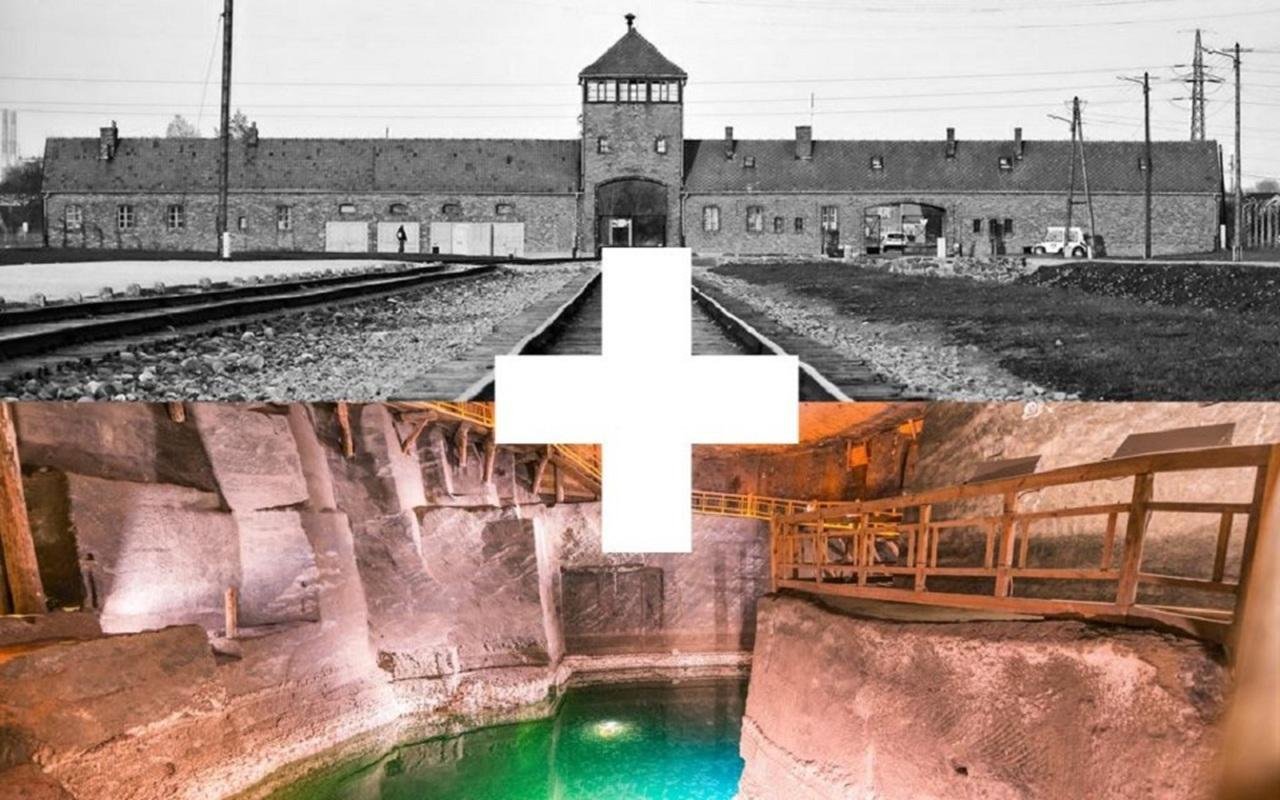
The standalone memorial visit offers a focused, reflective experience, while the combined package is more efficient for travelers prioritizing broad exposure to regional heritage sites. Many visitors choosing an auschwitz birkenau tour from krakow with hotel pickup find that the single-site journey allows for deeper contemplation of the historic barracks and gas chambers.
|
Top pick Auschwitz-Birkenau Memorial |
Auschwitz & Salt Mine Combo | |
|---|---|---|
| Total Duration | 6–8 hours | 11–13 hours |
| Emotional Weight | High | Moderate to high |
| Pacing | Steady and somber | Fast and intensive |
| Site Coverage | Memorial site only | Two major landmarks |
| Target Audience | History enthusiasts | Time-constrained travelers |
| See tickets & prices |
Verdict: Select the focused auschwitz birkenau tour from krakow with hotel pickup tickets if you prioritize historical depth, or choose the combo if you seek to maximize your time by visiting the UNESCO-listed Salt Mine as well.
Hand-picked experiences loved by thousands of travelers
11 hours
Free Cancellation
Journey through Poland's most profound historical sites in one comprehensive day trip with expert guides
7 hours
Free Cancellation
Journey to the former Nazi concentration camp with expert guides. Witness history at Auschwitz I and Birkenau.
11 hours
Free Cancellation
Visit two historic landmarks in one day: the sobering Auschwitz memorial and the stunning underground salt mine.
6 hours 30 minutes
Free Cancellation
Explore the UNESCO memorial site with expert commentary on this deeply moving historical journey
4 hours
Free Cancellation
Visit the memorial site with licensed guide, convenient transport, and skip-the-line museum access
8 hours 30 minutes
Free Cancellation
Full-day guided journey to two profound WWII sites, exploring history's darkest chapter from Kraków
7 hours
Free Cancellation
Explore the haunting grounds of Auschwitz in an intimate group of just 15 visitors with expert guidance
7 to 12 hours
Free Cancellation
Journey to the Auschwitz and Birkenau memorial sites with expert guidance through history's darkest chapter
Hotel pickup in Krakow
Arrival at Auschwitz I site
Bus transit to Birkenau
Return transit to Krakow
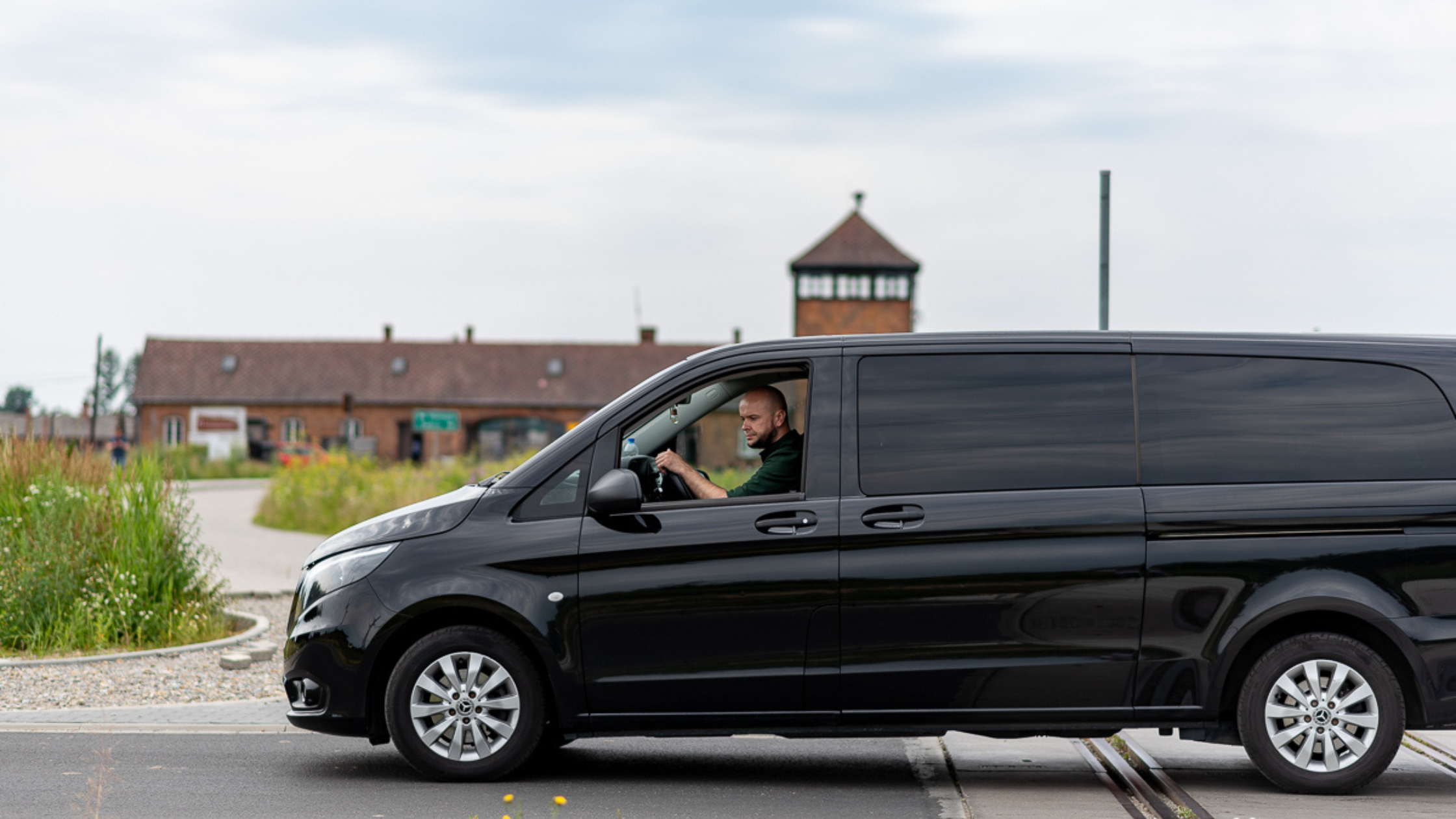
Your guided tour begins with morning hotel pickup in central Kraków, where a coach departs for the seventy-kilometer drive west through the industrial corridor of Lesser Poland Voivodeship.
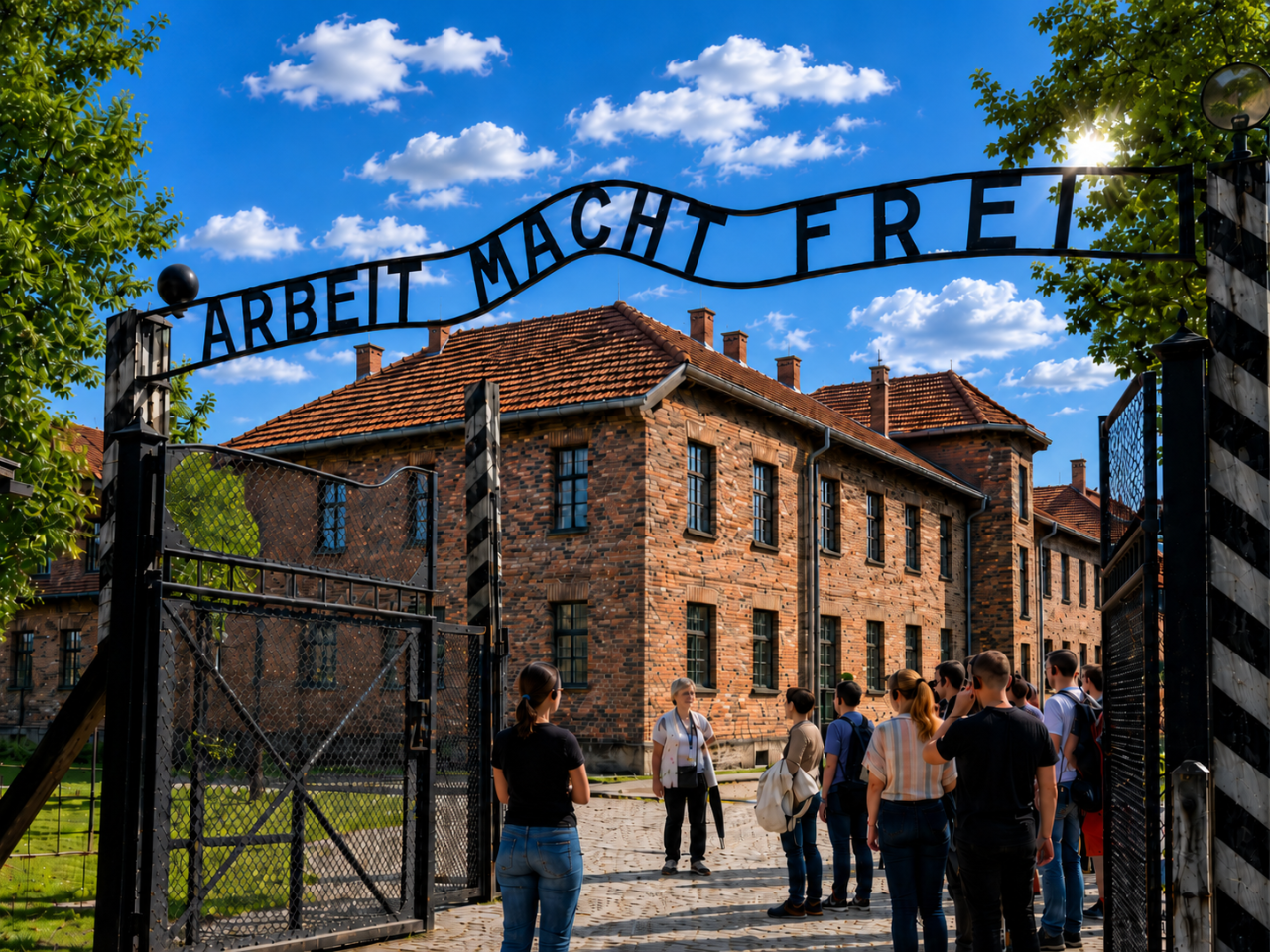
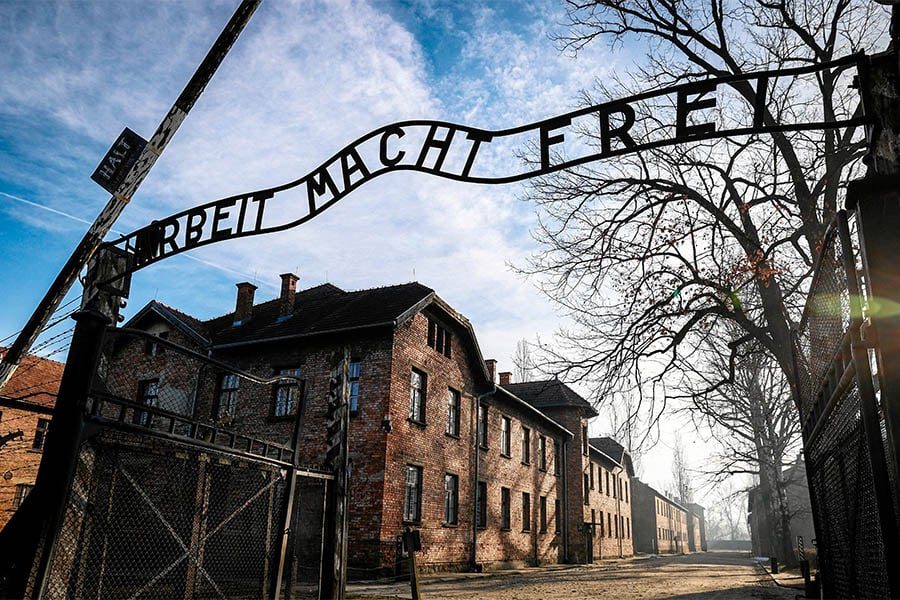
You arrive at the Auschwitz I visitor center by mid-morning, passing through security before your certified educator distributes audio headsets that allow you to hear commentary clearly as you move through the camp. You walk beneath the Arbeit Macht Frei gate and into the grid of red-brick blocks, stopping first at Block 4 to view the tonnage of human hair, then Block 11 to see the standing cells where four prisoners at a time were confined in ninety-centimeter compartments. Your guide explains the camp's expansion chronology as you cross the gravel parade ground where roll calls lasted for hours in sub-zero cold.
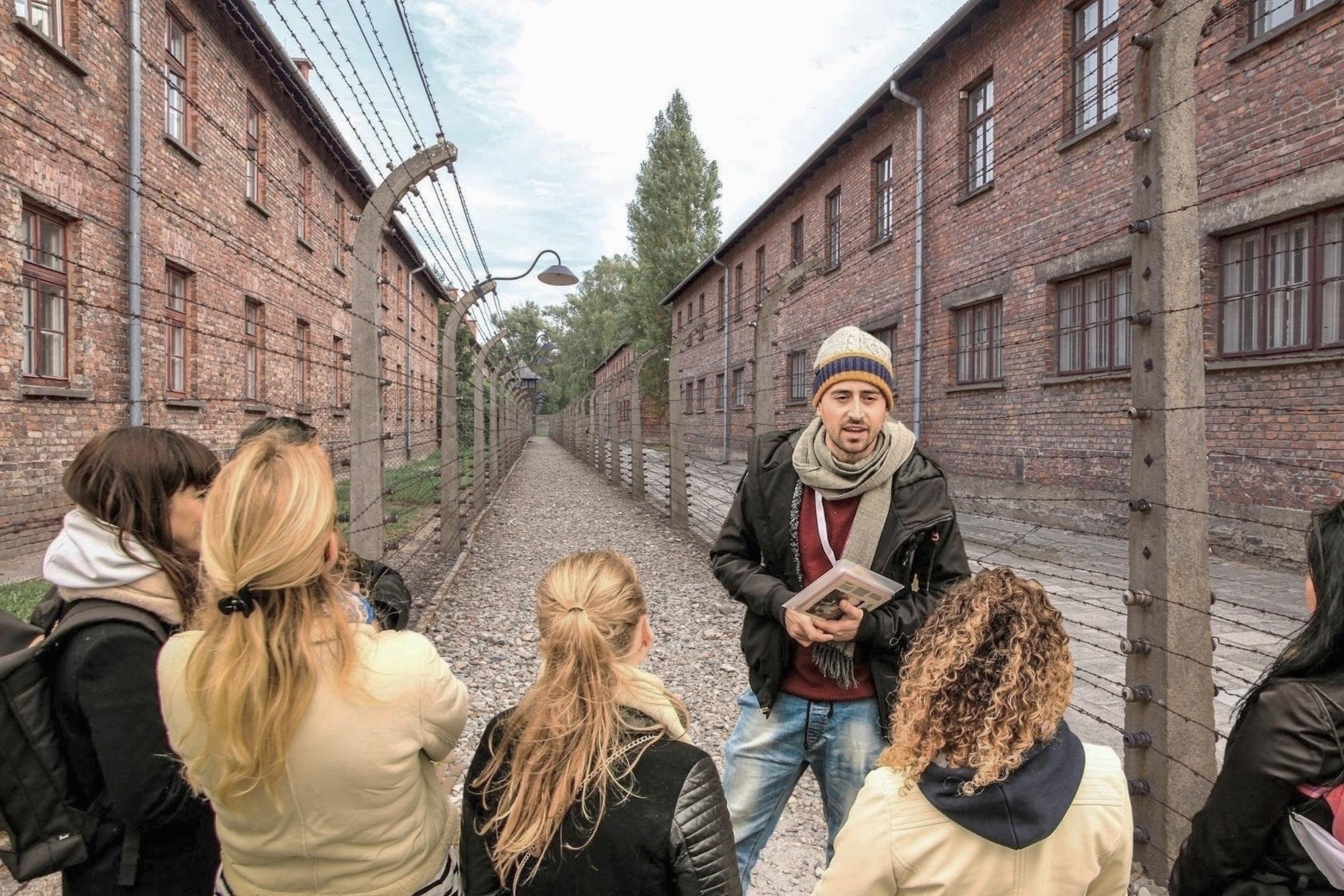
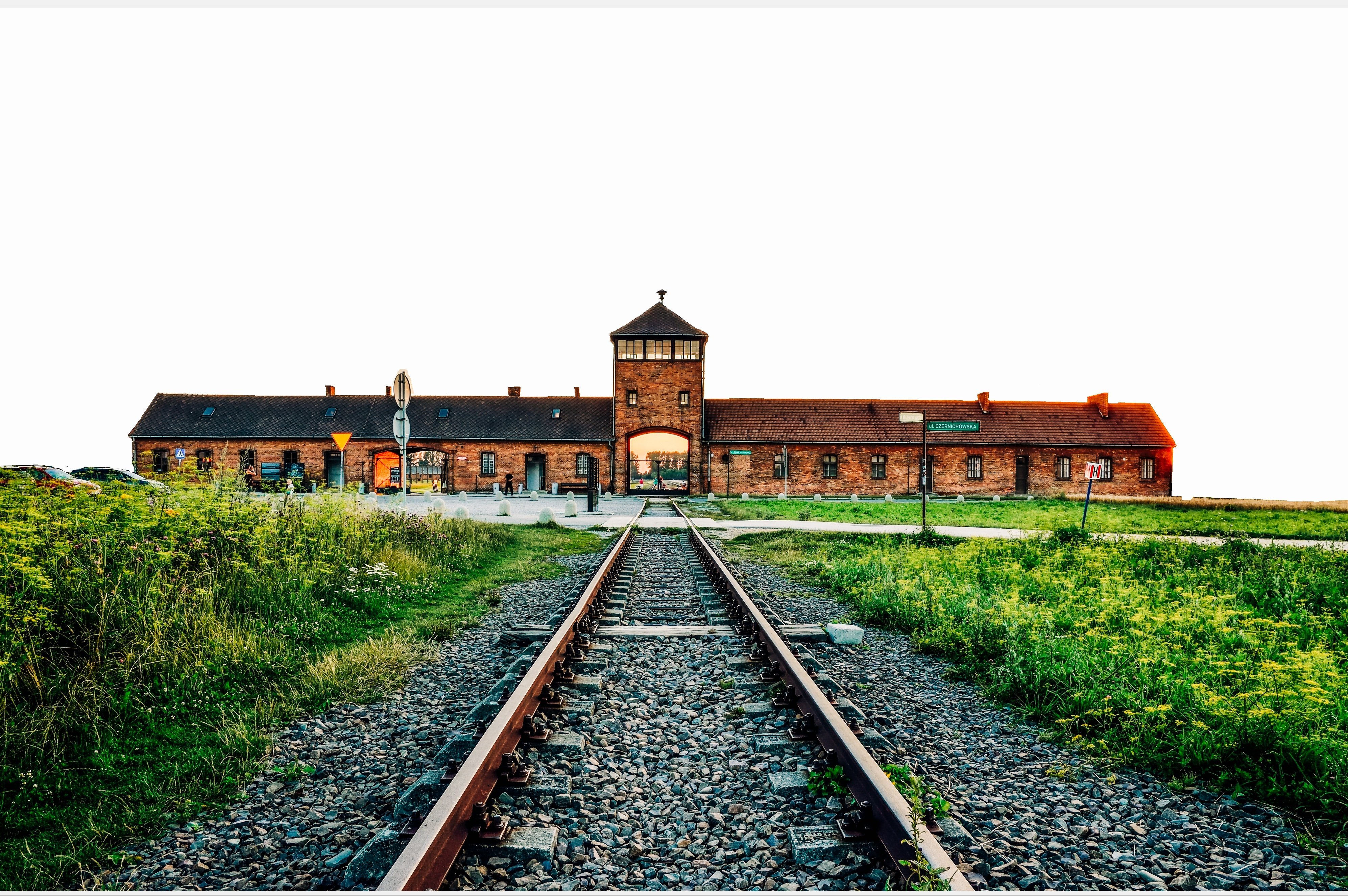
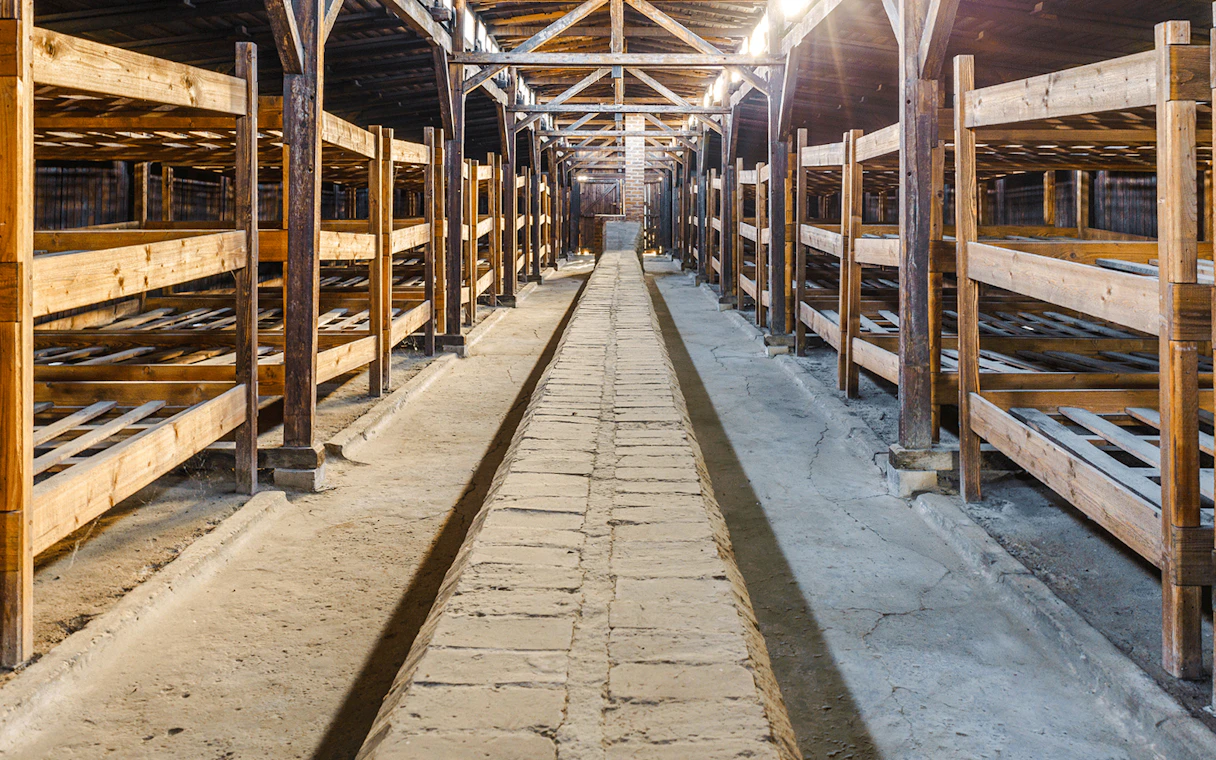
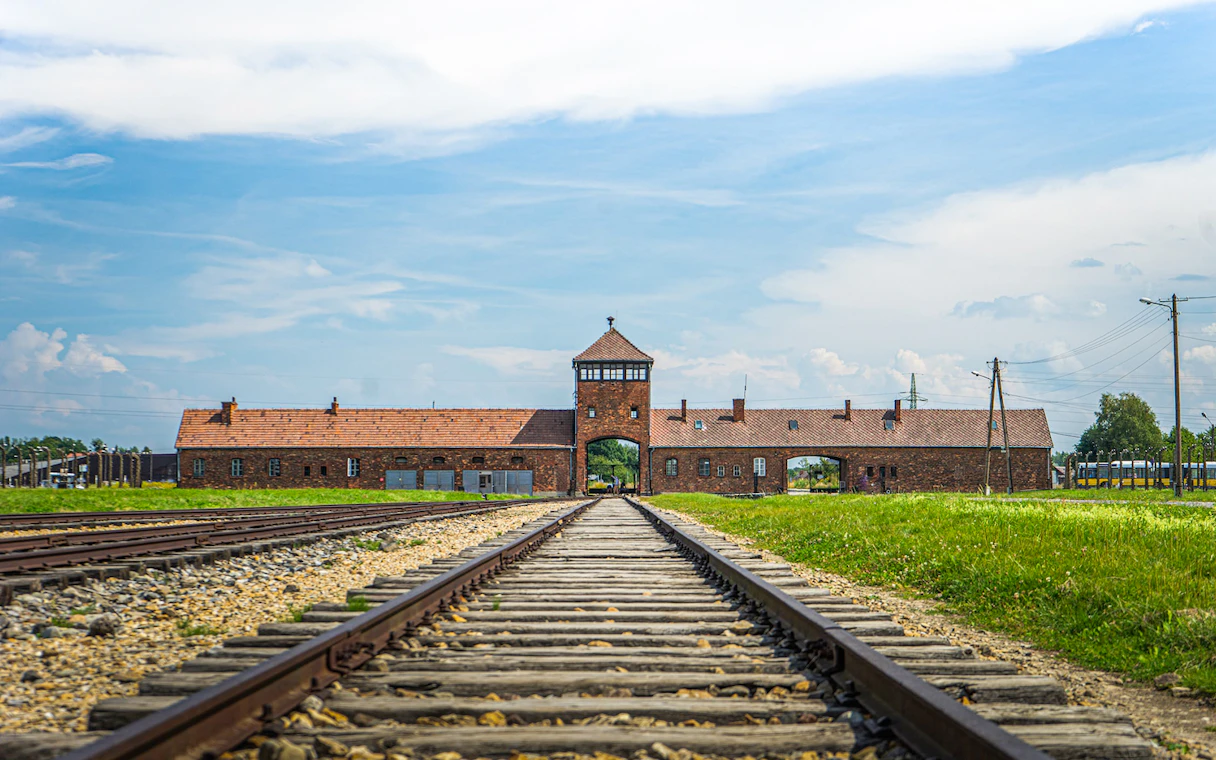
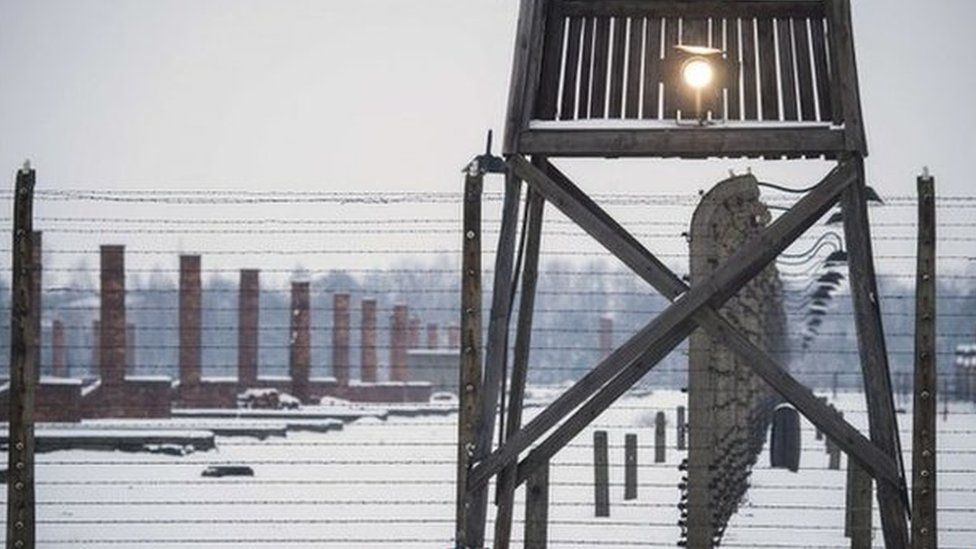
A short bus transfer brings you to Birkenau two kilometers north, where the scale becomes unmistakable: watchtowers recede into the distance along a double perimeter of barbed wire, and the unloading ramp stretches toward the ruins of Crematoria II and III at the far end of the site. You walk the length of the platform, pausing at the memorial plaques in twenty-three languages, then enter one of the preserved wooden barracks to see the three-tier bunks where prisoners slept ten to a shelf. The tour concludes at the International Monument, erected in 1967 between the ruins of the gas chambers, before the return coach departs for Kraków in late afternoon.
All the details about your upcoming adventure in one place
In 1940, the SS requisitioned twenty-eight single-story brick barracks on the outskirts of Oświęcim, a provincial Polish town forty miles west of Kraków, and converted them into Auschwitz I, the administrative hub of what would become Nazi Germany's largest extermination complex.
By 1942, construction crews had cleared two square kilometers of birch forest in the neighboring village of Brzezinka to build Auschwitz II-Birkenau, a purpose-built death factory with four gas chambers, crematoria, and unloading ramps that received freight trains from every corner of occupied Europe. Between 1940 and January 1945, at least 1.1 million people—90 percent of them Jewish—were murdered within the perimeter of the two camps. Soviet forces liberated the site on January 27, 1945, finding seven thousand emaciated survivors and warehouses stacked with 837,000 women's coats, thousands of kilograms of human hair, and personal effects stripped from the dead. UNESCO designated Auschwitz-Birkenau a World Heritage Site in 1979, not as a monument to suffering but as evidence of the bureaucratic and industrial machinery that made genocide possible on this scale.
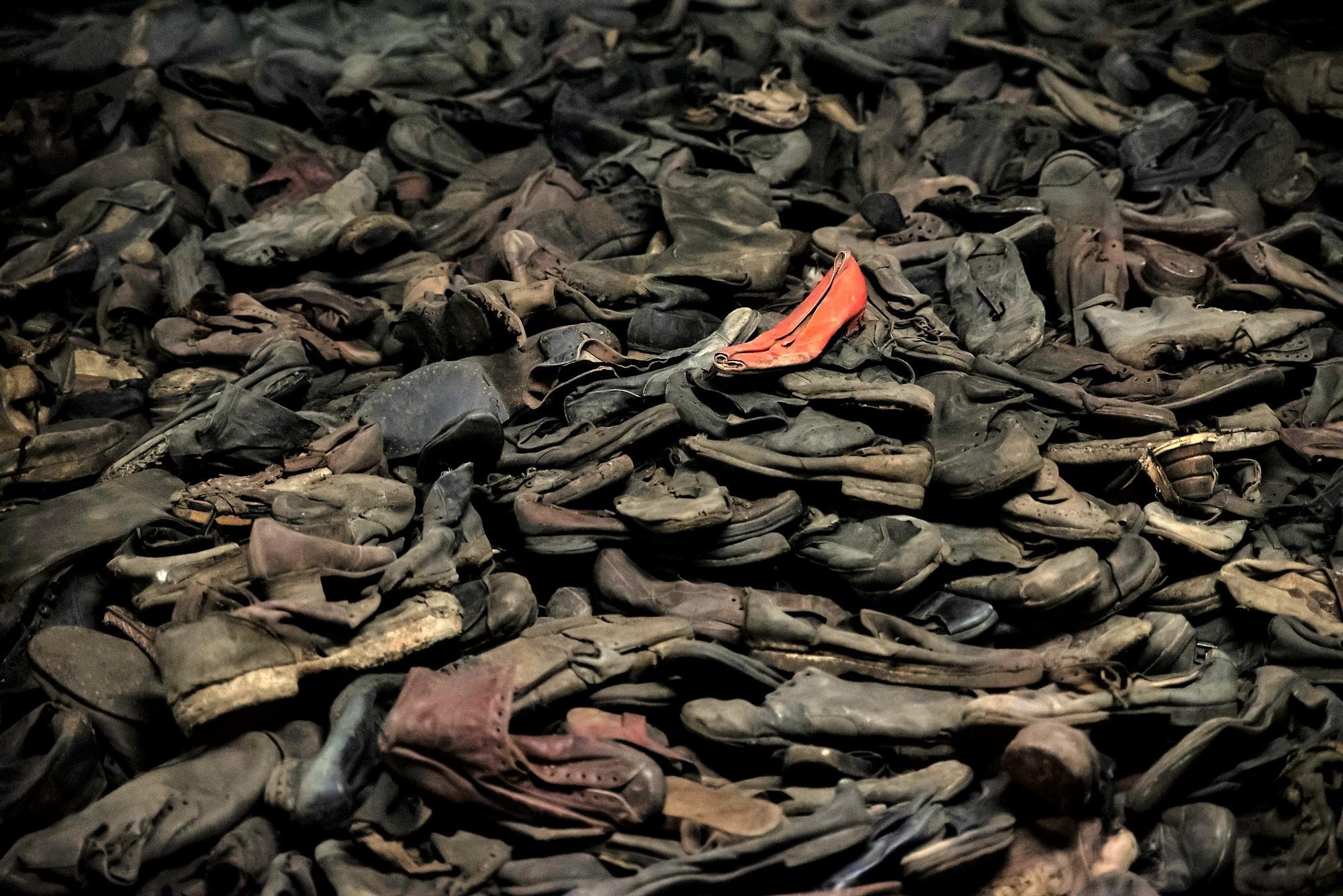
Today, the memorial preserves both camps as they stood at liberation, including the guard towers, electrified fences, prisoner barracks, and the ruins of Crematoria II and III at Birkenau, partially destroyed by the SS in November 1944 as Soviet troops advanced. The Auschwitz I site houses twenty-eight brick blocks, each transformed into an exhibition space documenting the logistics of mass murder: transport manifests, Zyklon B canisters, architectural plans for the gas chambers, and the Arbeit Macht Frei gate that prisoners passed beneath each morning. Block 4 displays the material remnants taken from victims—suitcases bearing names and addresses, prosthetic limbs, children's shoes—while Block 11 contains the standing cells and execution wall where camp guards shot thousands of prisoners between 1941 and 1944. At Birkenau, the unloading platform where SS doctors conducted selections stretches three hundred meters between the main gate and the destroyed crematoria, flanked by rows of wooden barracks that housed up to a thousand prisoners each in conditions designed to accelerate death through starvation, disease, and exhaustion.
An Auschwitz Birkenau tour from Krakow with hotel pickup typically includes a certified educator who contextualizes the camp's evolution from a detention center for Polish political prisoners into the epicenter of the Final Solution, walking visitors through both sites over six to seven hours. Guides trained by the Auschwitz-Birkenau State Museum explain the deportation routes, the function of the Kanada warehouses where inmates sorted plundered goods, and the testimonies of survivors like Primo Levi and Elie Wiesel, whose accounts anchor the historical record. The memorial receives over two million visitors annually, drawn by the imperative to witness the architecture of atrocity firsthand and to honor the memory of those who perished in what remains the most documented crime in human history.
Soviet forces liberated the site on January 27, 1945, finding seven thousand emaciated survivors and warehouses stacked with 837,000 women's coats.
Visitors are expected to dress respectfully, as this is a place of remembrance. Modest attire that covers shoulders and knees is recommended.
Strict security measures are in place at Auschwitz-Birkenau. Bags larger than 30x20x10 cm are prohibited and must be left on the tour vehicle or in storage.
Photography is permitted in most areas for personal use, except where restricted by signage. Use of flash and tripods is prohibited within the indoor exhibitions.
The site is not recommended for children under 14 years of age due to the sensitive nature of the exhibits. Parents should evaluate if the content is appropriate for their children.
The Auschwitz-Birkenau site includes gravel paths and historic structures, making some areas challenging for mobility aids. Visitors with limited mobility should contact the site in advance regarding specific routes.
Food and drink are not permitted inside the museum buildings. Dedicated areas for refreshments are located outside the main entrance.
Opening Hours
07:30–14:00
Address
ul. Więźniów Oświęcimia 55, 32-600 Oświęcim, Poland
Accessibility
Site offers varying terrain; specific routes are wheelchair accessible.
Best Arrival
07:30–10:00
Storage
Limited storage for large bags available on-site.
Website
https://www.auschwitz.org
Car
Follow national roads 44 or 94 towards Oświęcim. Parking is available near the entrance, but arrive before 10:00 to secure a spot.
Public transport
Trains run from Krakow Glowny to Oświęcim station. From there, use local buses or taxis to reach the memorial entrance.
Cancellation terms depend on the specific provider for your auschwitz birkenau tour from krakow with hotel pickup. Please check your voucher for exact refund windows regarding the 0 PLN entrance fee.
Recommended time
7 hours
Planning an auschwitz birkenau tour from krakow with hotel pickup requires allocating roughly seven hours to account for round-trip transportation and the site visit. Adhering to the best arrival window of 07:30–10:00 ensures you can navigate the memorial grounds and former prisoner barracks before peak congestion occurs. Visitors utilizing these auschwitz birkenau tour from krakow with hotel pickup tours often find that arriving early provides the necessary buffer for security checks and walking between sectors. Those booking auschwitz birkenau tour from krakow with hotel pickup tickets should note that while entrance fee is 0 PLN, individual entry passes must be reserved online in advance.
Crowd levels through the day
Weather · crowds · average price — dots go green to amber to red as each metric rises.
Mild weather is ideal for walking the extensive grounds of the memorial. Expect moderate crowds compared to summer months.
Longer days allow for thorough visits, though heat can be high. Peak tourism means booking your auschwitz birkenau tour from krakow with hotel pickup well in advance.
Cooler temperatures and beautiful foliage surround the site. Fewer crowds make for a more contemplative experience.
Quiet and solemn atmosphere, but visitors should prepare for cold weather. Ensure your auschwitz birkenau tour from krakow with hotel pickup includes heated transport.
Secure your auschwitz birkenau tour from krakow with hotel pickup tickets early to avoid availability issues. Individual entrance passes require reservation online in advance.
Maintain a quiet demeanor throughout your visit. Remember that this is a memorial site for victims.
Carry a small bottle of water during your tour. Refill stations are available in designated areas outside.
When on an auschwitz birkenau tour from krakow with hotel pickup, stay with your group to maximize your time. Guides provide essential historical context.
Always review your auschwitz birkenau tour from krakow with hotel pickup voucher for exact pickup times. Adjusting to the provider's schedule is crucial for a smooth trip.
The site of Auschwitz-Birkenau began as a Polish army barracks in the town of Oświęcim, a quiet settlement in southern Poland. When Nazi Germany invaded Poland in September 1939, the SS identified the barracks compound as suitable for a concentration camp. In May 1940, the first transport of 728 Polish political prisoners arrived. Rudolf Höss, appointed commandant, oversaw the expansion of Auschwitz I into a detention facility for Polish resistance members, Soviet prisoners of war, and other targets of the Nazi regime. By early 1941, Heinrich Himmler ordered the construction of a much larger complex at Birkenau, two kilometers west, designed to hold 100,000 prisoners. Auschwitz-Birkenau grew into the largest camp in the Nazi system. In January 1942, the Wannsee Conference formalized the Final Solution, and Auschwitz-Birkenau became the primary killing center. Four gas chambers and crematoria were built at Birkenau between 1942 and 1943. Transports arrived daily from across occupied Europe. At least 1.1 million people were murdered at the camp, approximately 90 percent of them Jews. Deportees from Hungary, Poland, France, the Netherlands, Greece, Czechoslovakia, and other nations were sent directly from the railway ramp to the gas chambers. The camp also held Romani people, Soviet prisoners, and Polish political prisoners. Sonderkommandos, prisoners forced to work in the crematoria, documented atrocities in hidden notes later recovered from the grounds. As Soviet forces advanced in January 1945, the SS evacuated approximately 60,000 prisoners on death marches westward. On January 27, 1945, the Red Army liberated Auschwitz, finding fewer than 7,000 survivors. The Polish government established the State Museum at Auschwitz-Birkenau in 1947. UNESCO designated the site a World Heritage Site in 1979. Today, auschwitz birkenau tour from krakow with hotel pickup experiences bring over two million visitors annually to the preserved barracks, gas chamber ruins, and personal belongings of victims. The site serves as the most significant memorial to the Holocaust and a stark reminder of the consequences of hatred and totalitarianism.
First transport of 728 Polish political prisoners arrives at Auschwitz I, a converted army barracks.
SS constructs Auschwitz II-Birkenau, designed to hold 100,000 prisoners and serve as an extermination center.
At least 1.1 million people, predominantly Jews, are murdered in gas chambers at Birkenau.
Soviet Red Army liberates Auschwitz, discovering fewer than 7,000 survivors and extensive evidence of genocide.
Polish government establishes the State Museum at Auschwitz-Birkenau to preserve the site and educate future generations.
UNESCO designates Auschwitz-Birkenau a World Heritage Site, recognizing its universal historical significance.
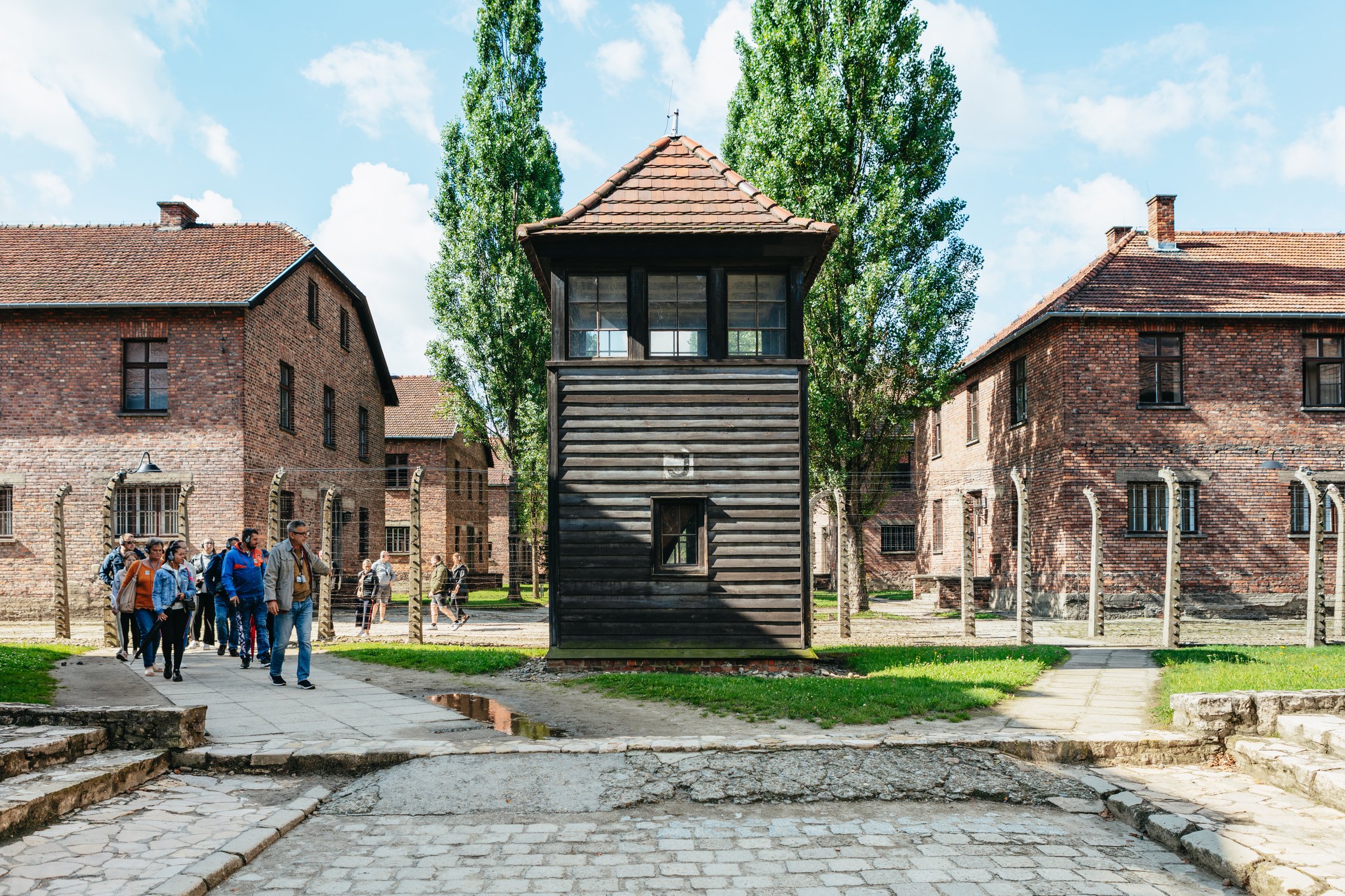
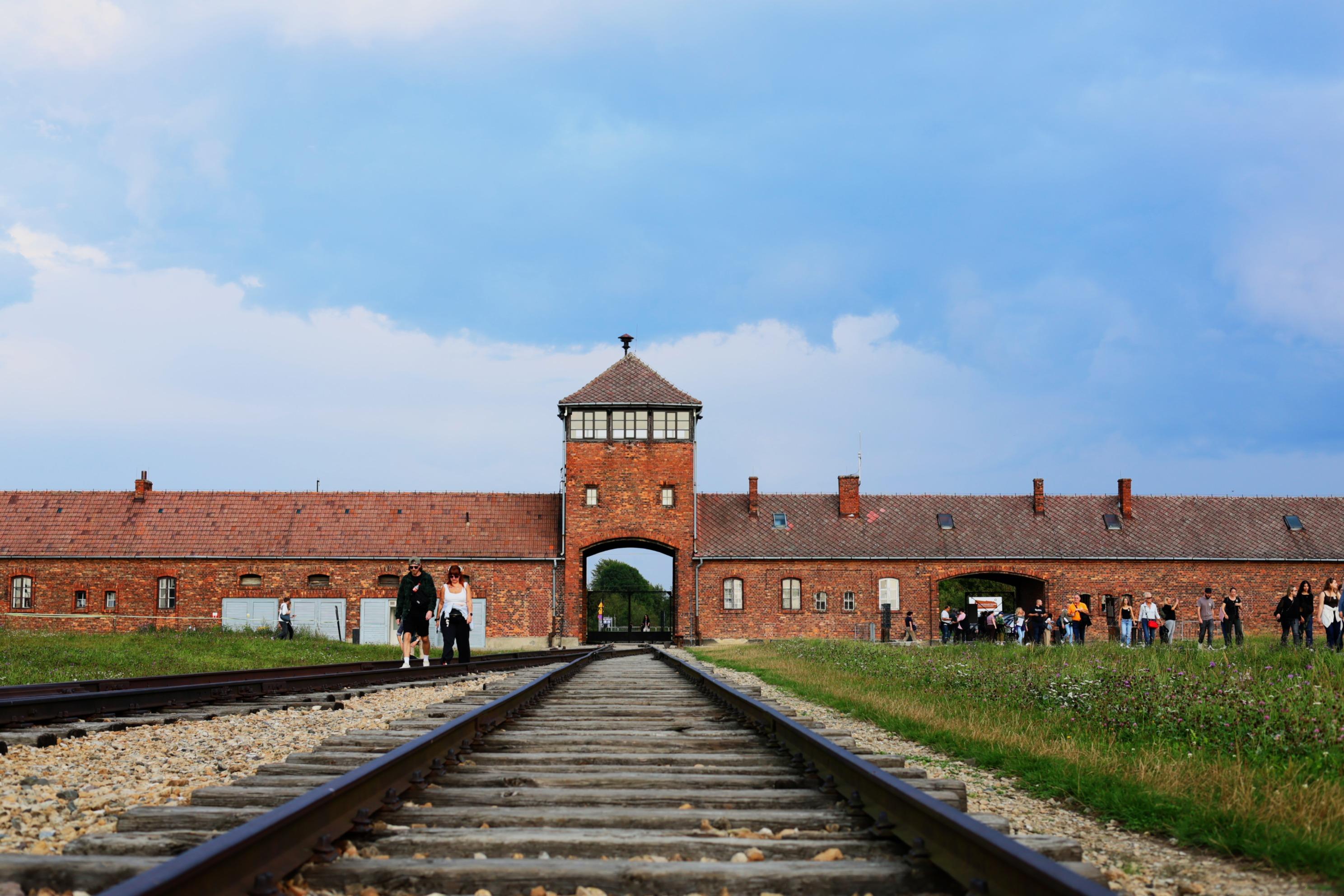
Stand on the central path looking toward the guard tower to frame the iconic railway tracks leading into the site. This perspective captures the scale of the entrance famously included in an auschwitz birkenau tour from krakow with hotel pickup.
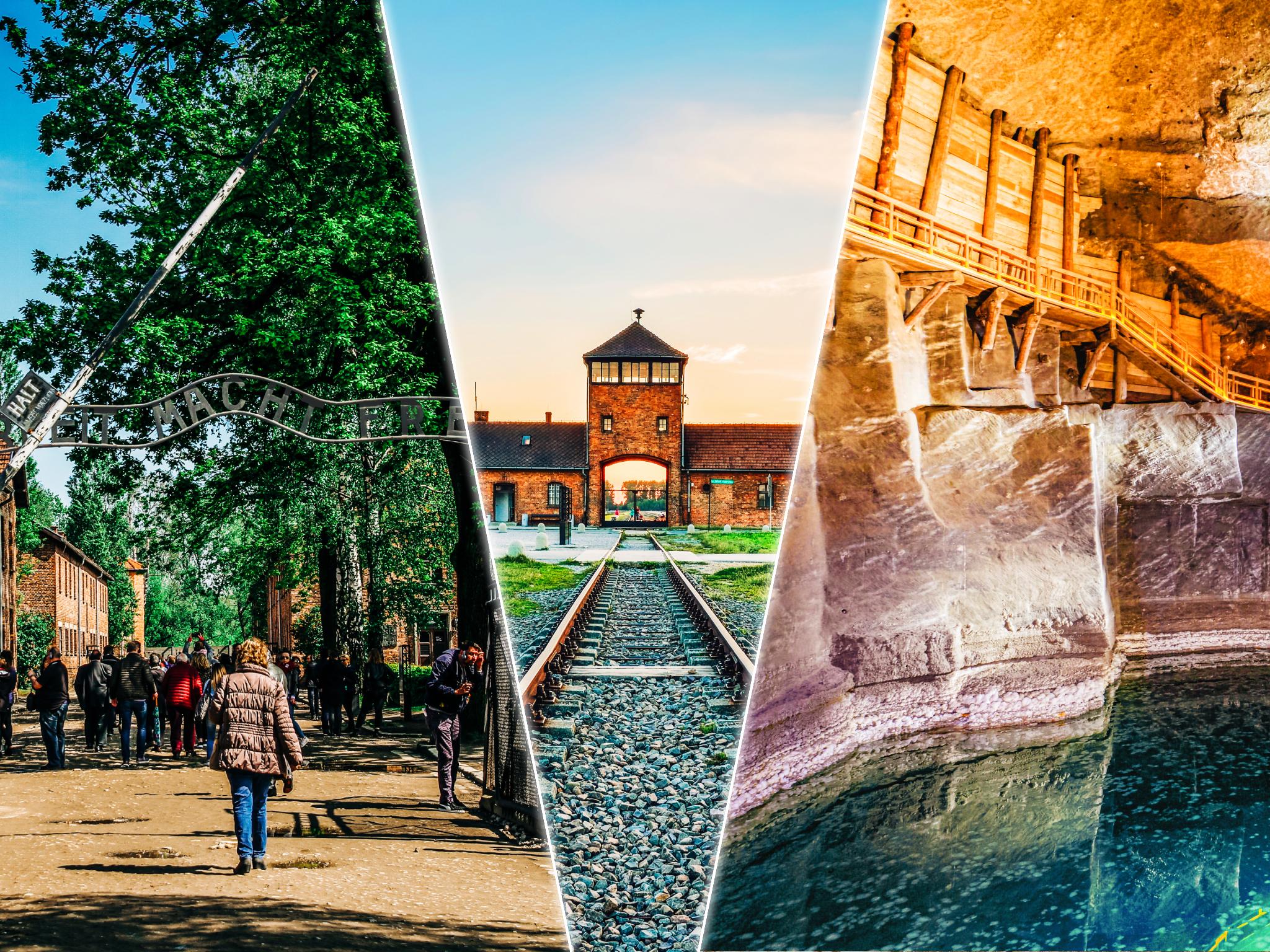
Position yourself just outside the main iron gate of Auschwitz I to capture the inscription from a low angle. It is helpful to arrive during the best arrival window of 07:30–10:00 to avoid large groups blocking this historic entrance.
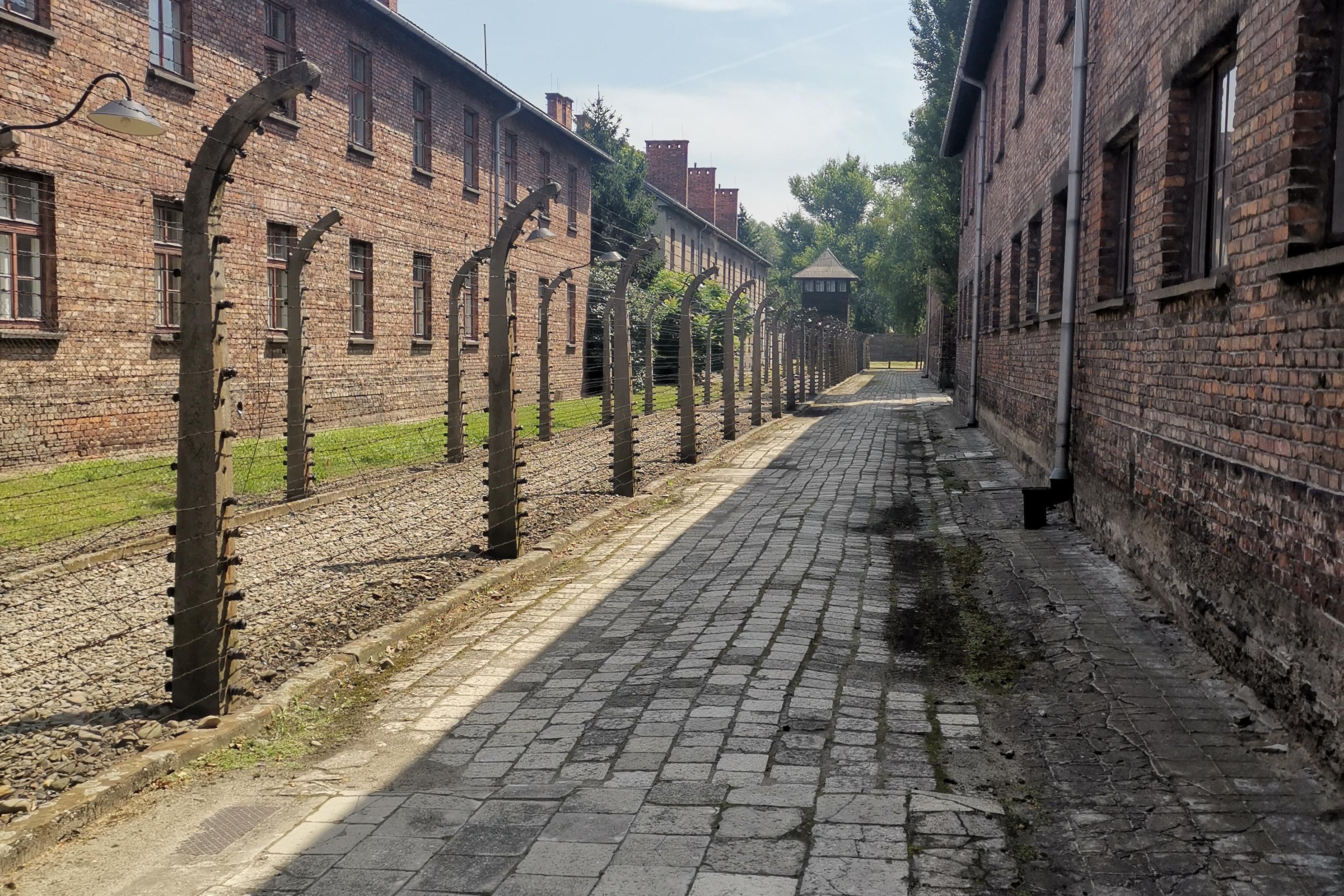
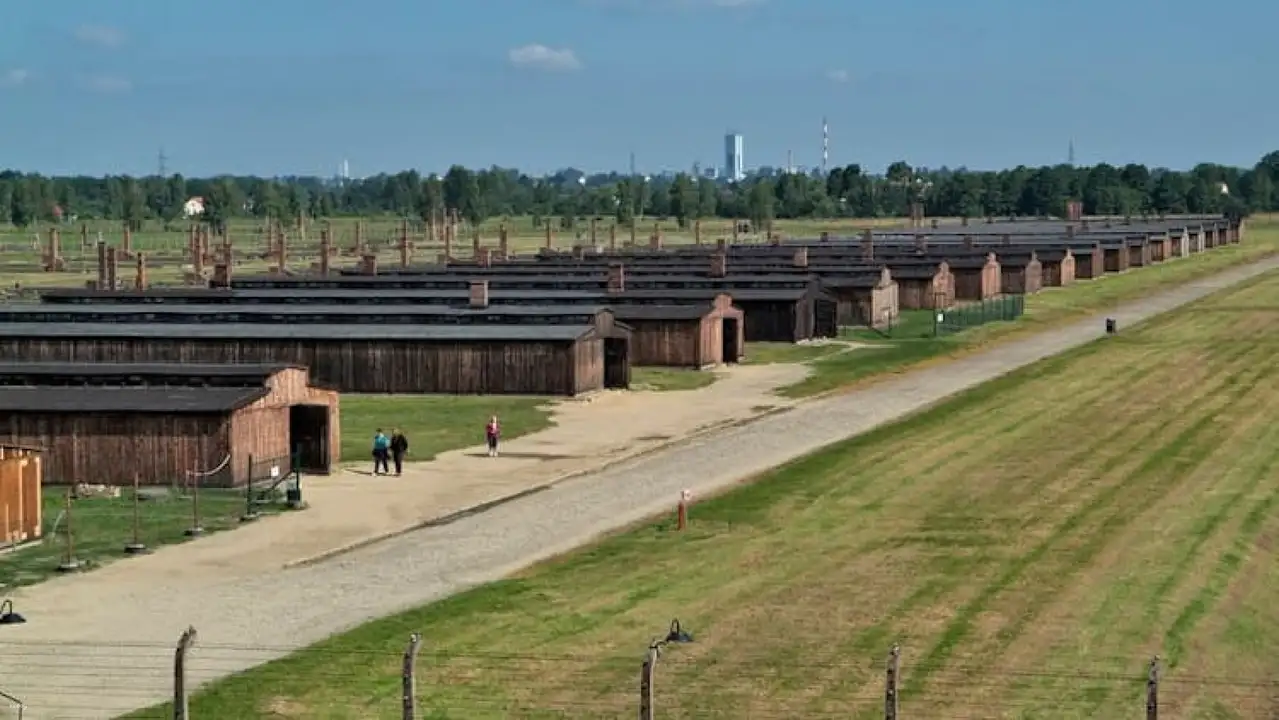
Walk along the gravel paths between the wooden barracks in Birkenau to document the repetitive, stark lines of the camp structures. This remains a significant location for those seeking to understand the site through professional auschwitz birkenau tour from krakow with hotel pickup tours.
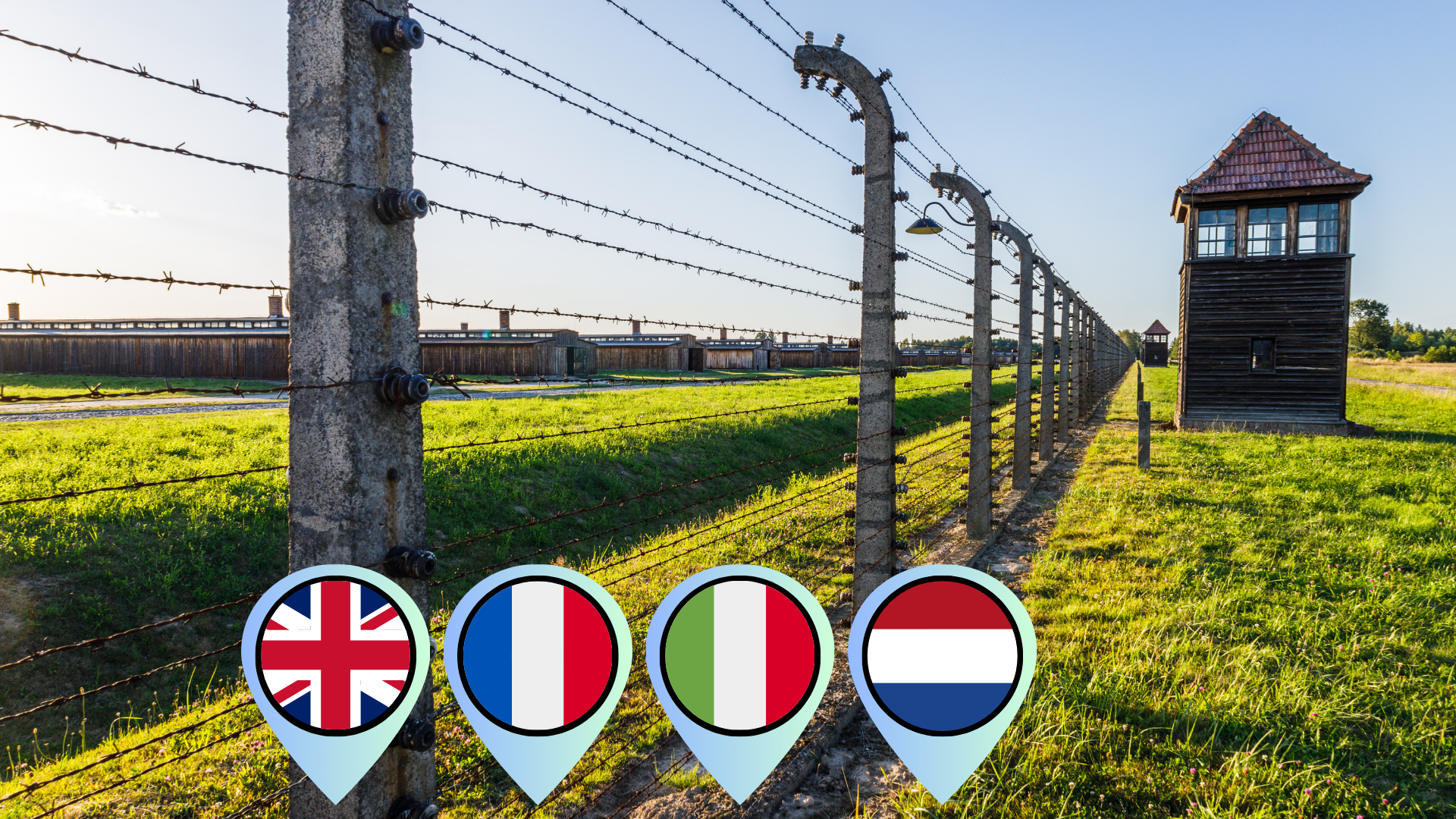
From the perimeter fence, focus your lens on the watchtowers silhouetted against the sky to provide a sense of the enclosure. Many visitors booking auschwitz birkenau tour from krakow with hotel pickup tickets choose this angle for its historical gravity.
Visiting the memorial site is a profoundly somber experience, and the museum recommends that children under 14 do not participate in an auschwitz birkenau tour from krakow with hotel pickup. Parents should carefully consider their child's emotional maturity before planning this visit.
The memorial site does not recommend visits for children under 14 due to the sensitive nature of the historical exhibitions and the gravity of the location. Consider your child’s emotional maturity before booking an auschwitz birkenau tour from krakow with hotel pickup tour.
Strollers are not permitted inside the historical buildings, and the terrain across the site is often uneven. If you bring an infant, a baby carrier is necessary for navigating the grounds.
A dedicated room with a changing table and sink is located on the ground floor of the reception area, near the security gates and restrooms. Please ensure you plan your schedule carefully, as the site is not fully adapted for younger children.
A standard visit to both memorial sites requires significant walking and typically lasts around 3.5 hours. To ensure a respectful visit, discuss the historical context with older children beforehand and prepare for the emotional weight of the experience.
Every visitor needs a personalized entry pass reserved in advance at the official website, as these auschwitz birkenau tour from krakow with hotel pickup tickets are required for entry. Early arrival between 07:30 and 10:00 is advised to manage the day effectively and avoid peak visitor crowds.
Visitors planning an auschwitz birkenau tour from krakow with hotel pickup will find limited dining facilities directly on the museum grounds. While nearby Oświęcim offers modest options for those holding auschwitz birkenau tour from krakow with hotel pickup tickets, most guests choose to eat before or after their visit to the memorial site.
Located near the visitor center, this spot offers coffee and light snacks for those waiting for their auschwitz birkenau tour from krakow with hotel pickup tour. It serves as a practical stop for quick refreshments before entering the historic site.
Situated a short distance from the entrance, this venue provides traditional Polish meals suitable for a post-memorial lunch. It is a reliable option for groups participating in various auschwitz birkenau tour from krakow with hotel pickup tours throughout the day.
Everything you need to know for your journey
The site is open daily from 07:30–14:00. Your auschwitz birkenau tour from krakow with hotel pickup will be scheduled within these operational hours.
Individual entrance fee is 0 PLN, but entry passes must be reserved online in advance. Most tours include this booking as part of their service.
It is recommended to book your auschwitz birkenau tour from krakow with hotel pickup at least several weeks in advance due to high demand.
No, bags larger than 30x20x10 cm are not permitted inside. You must leave them on your transport for the auschwitz birkenau tour from krakow with hotel pickup.
Photography is permitted for personal use in most areas, but flash and tripods are banned. Please follow guide instructions during your auschwitz birkenau tour from krakow with hotel pickup.
The site has varying terrain, but designated routes are accessible. Discuss specific needs with your auschwitz birkenau tour from krakow with hotel pickup provider.
The best arrival window is 07:30–10:00 to avoid peak crowds. Arriving early is a standard recommendation for any auschwitz birkenau tour from krakow with hotel pickup.
Yes, modest dress covering shoulders and knees is expected at this memorial site. Respectful attire is standard for any auschwitz birkenau tour from krakow with hotel pickup.
No, food is not allowed inside the buildings. Eat before your auschwitz birkenau tour from krakow with hotel pickup or use designated areas outside.
You can drive, take a train, or book an auschwitz birkenau tour from krakow with hotel pickup for convenient door-to-door transport.
Features a synagogue and exhibition on Jewish history. Provides context to the local heritage.
Historic site overlooking the Sola River. Offers a different historical perspective on the region.
Peaceful area for quiet reflection. Located near the main town center.
Central hub for most tour departures.
Historic area with many lodging options.
Proximity to the memorial for early start times.
Wide variety of transit-accessible hotels.
Join thousands of happy travelers who have discovered this incredible experience
Book Your Experience Now