7 hr
Auschwitz-Birkenau Memorial Tour with Hotel Transfer
- Expert local guide
- Small group
- Skip-the-line access
- Free cancellation
Auschwitz-Birkenau Memorial — Private Guided Tours from Krakow
Direct transfer, certified guide, a journey requiring preparation and quiet reflection.
Compare fares, pick the fit — all bookings are mobile-voucher and eligible for free cancellation where shown.
7 hr
7 hr
6 hr 30 min
Selecting the right auschwitz tour from krakow private requires balancing the need for deep historical insight with the convenience of personalized logistics. Whether you are seeking a structured educational overview or a more flexible, dedicated experience, these options provide essential access to the memorial grounds.
| Standard Group Tour Shared Guided Experience |
Top pick Private Memorial Tour Dedicated Guide & Vehicle |
|
|---|---|---|
| Auschwitz I & Birkenau Access | Included | Included |
| Guide Type | Licensed Museum Educator | Dedicated Licensed Educator |
| Transport from Krakow | Shared Shuttle | Private Vehicle |
| Pace Flexibility | Fixed | Personalized |
| Booking Lead Time | 1-3 Weeks | 2-4 Weeks |
| Best for | Budget-conscious visitors | Families and private groups |
| See tickets & prices |
Verdict: For the most personalized auschwitz tour from krakow private tours, choose the dedicated guide option to tailor the pace to your party's needs.
Worth it for meaningful, unhurried reflection
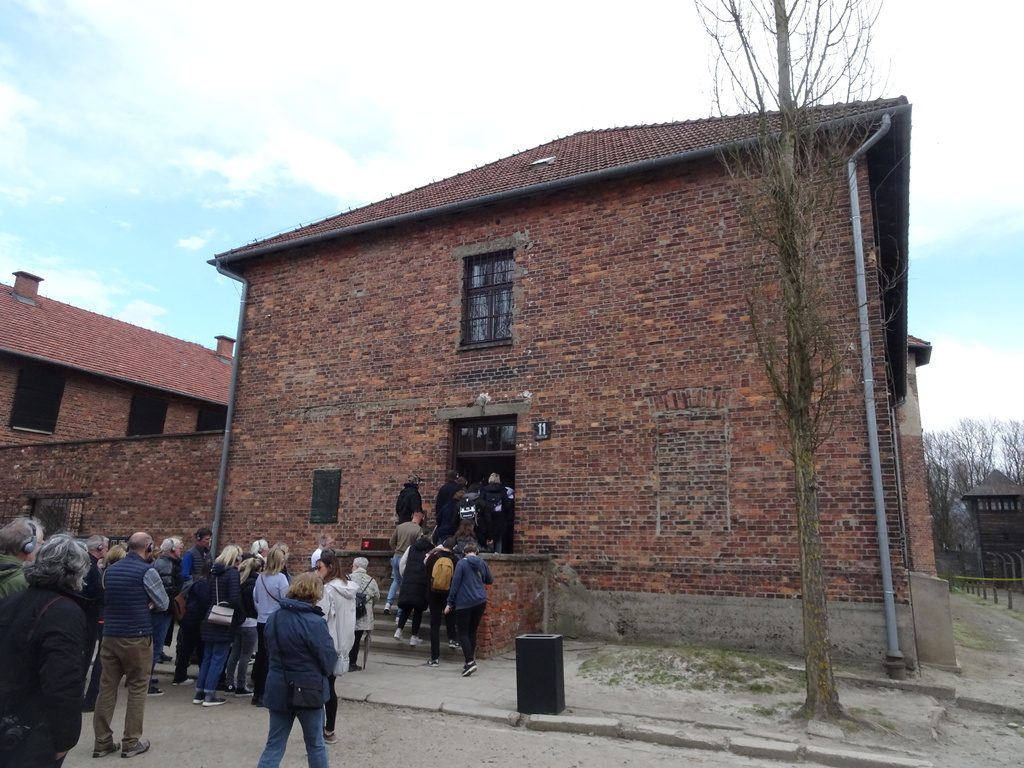
Entry to the Auschwitz-Birkenau Memorial itself is free, but an auschwitz tour from krakow private offers structure most independent visitors lack: dedicated transport, timed entry coordination, and—crucially—a guide trained to contextualize the scale of what happened here. The investment buys you focus. You're not navigating parking, queuing for tickets, or second-guessing which barracks hold the most significant exhibits. Private options let you pause without group pressure, ask questions as they arise, and absorb the weight of sites like Block 11 or the gas chamber ruins at Birkenau without a crowd pressing behind you. For anyone treating this as a memorial visit rather than a checklist stop, the personalized pace and educator-led narrative justify the premium over self-guided entry. Families, educators, and visitors with limited mobility gain the most—flexibility to shorten or extend time in emotionally difficult sections, and direct access to historical interpretation that transforms rooms of artifacts into individual stories.
Bottom line: If you're visiting to understand rather than photograph, auschwitz tour from krakow private tours deliver the interpretive depth and unhurried respect the site demands.
They complement different travel styles; most visitors who do both call the private option the more flexible experience for a somber memorial visit.
|
Top pick Private Auschwitz Tour |
Small-Group Tour | |
|---|---|---|
| Group size | 1–8 participants | 10–22 participants |
| Transport mode | Private vehicle | Shared minibus or coach |
| Pace flexibility | Fully custom | Fixed itinerary |
| Q&A depth | High (dedicated guide) | Limited (shared time) |
| Booking lead time | 2–4 weeks | 2–4 weeks |
| Included features | Door-to-door service | Hotel pickup and return |
| Price range | 350–600 PLN (summer) | 180–250 PLN (summer) |
| See tickets & prices |
Verdict: Choose a private auschwitz tour from krakow private tour if you prioritize personal space and direct interaction with your guide, whereas small-group auschwitz tour from krakow private tickets offer a balanced, cost-effective alternative for most travelers.
Hand-picked experiences loved by thousands of travelers
4 - 7 hours
Free Cancellation
Visit one of history's most significant memorial sites with licensed guide and round-trip transport
7 hours
Free Cancellation
Journey to the infamous Nazi concentration camp complex with expert guidance and round-trip transport
7-8 hours
Journey to the Auschwitz-Birkenau Memorial for a self-guided exploration with comfortable transport included.
7 hours
Free Cancellation
Visit the former Nazi concentration camp complex with expert-led commentary, hotel pickup, and transport included
7 to 12 hours
Free Cancellation
Journey to the former Nazi concentration camps with a knowledgeable guide and witness history firsthand.
8 hours
Free Cancellation
Connect wartime Kraków with Auschwitz across eight hours of guided memorial visits and context.
7 hours
Free Cancellation
Direct chauffeur service to the memorial site with comfortable transport and flexible scheduling
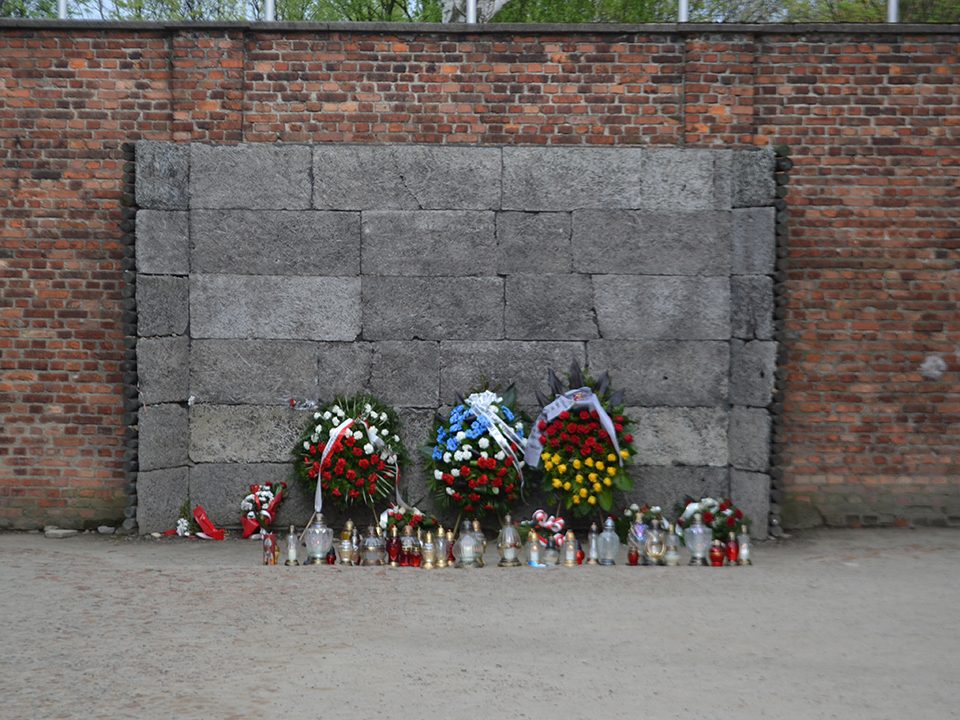
Known as the Death Block, this building held the infamous standing cells and the wall for executions.
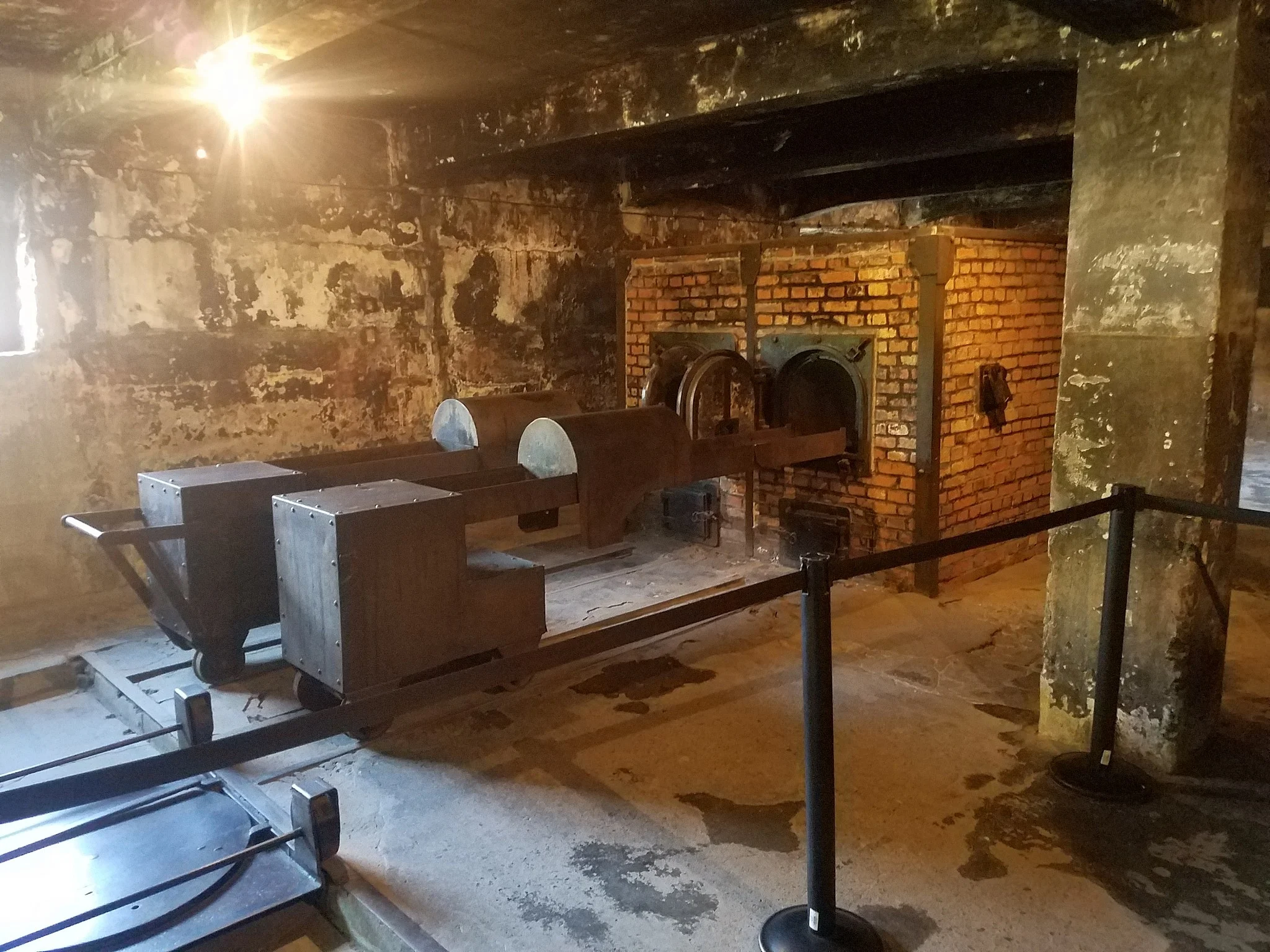
The remnants of the largest gas chamber complex at the site, reflecting the tragedy of the Holocaust.
Located between Blocks 10 and 11, this site was the location for countless executions.
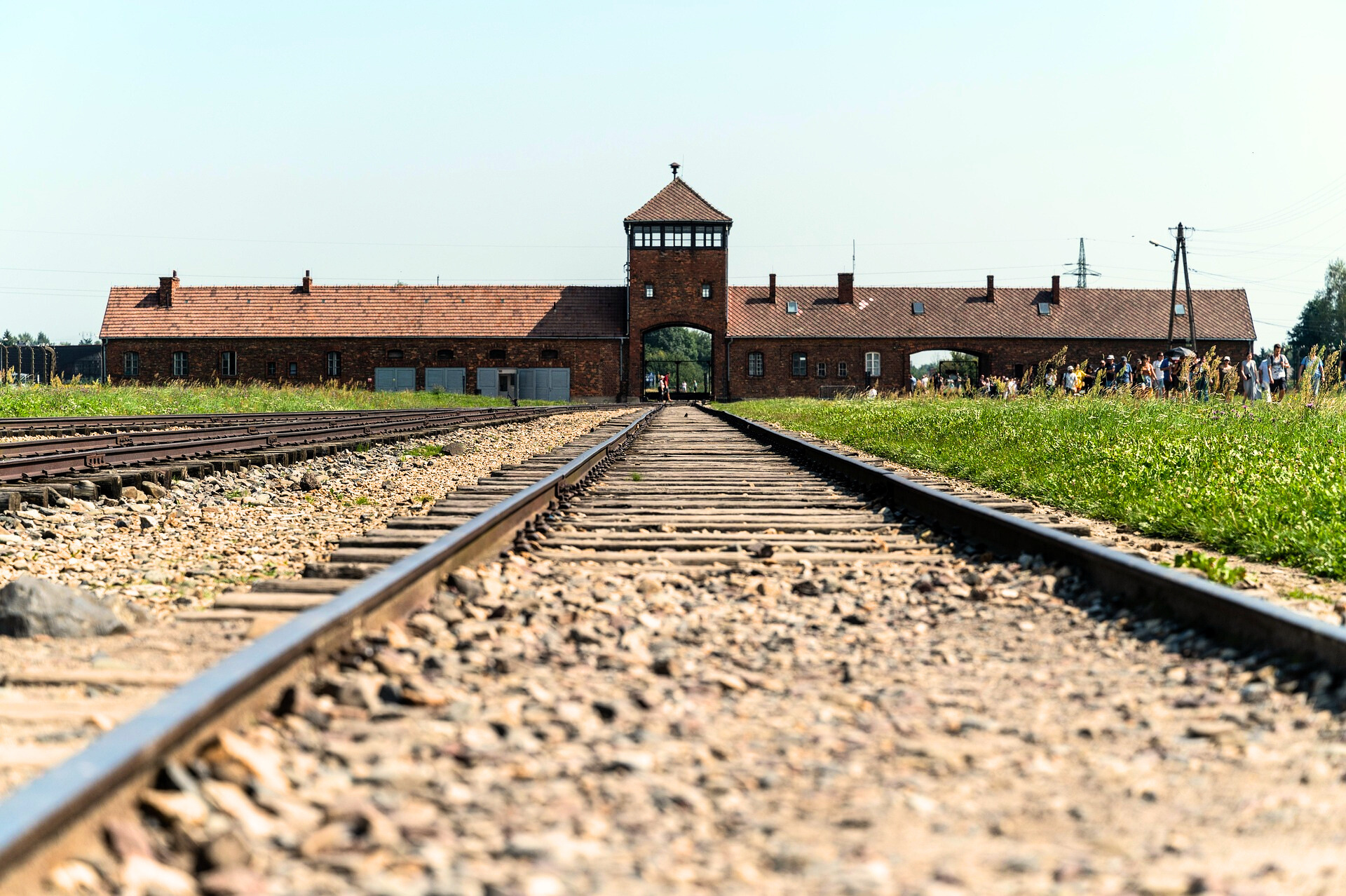
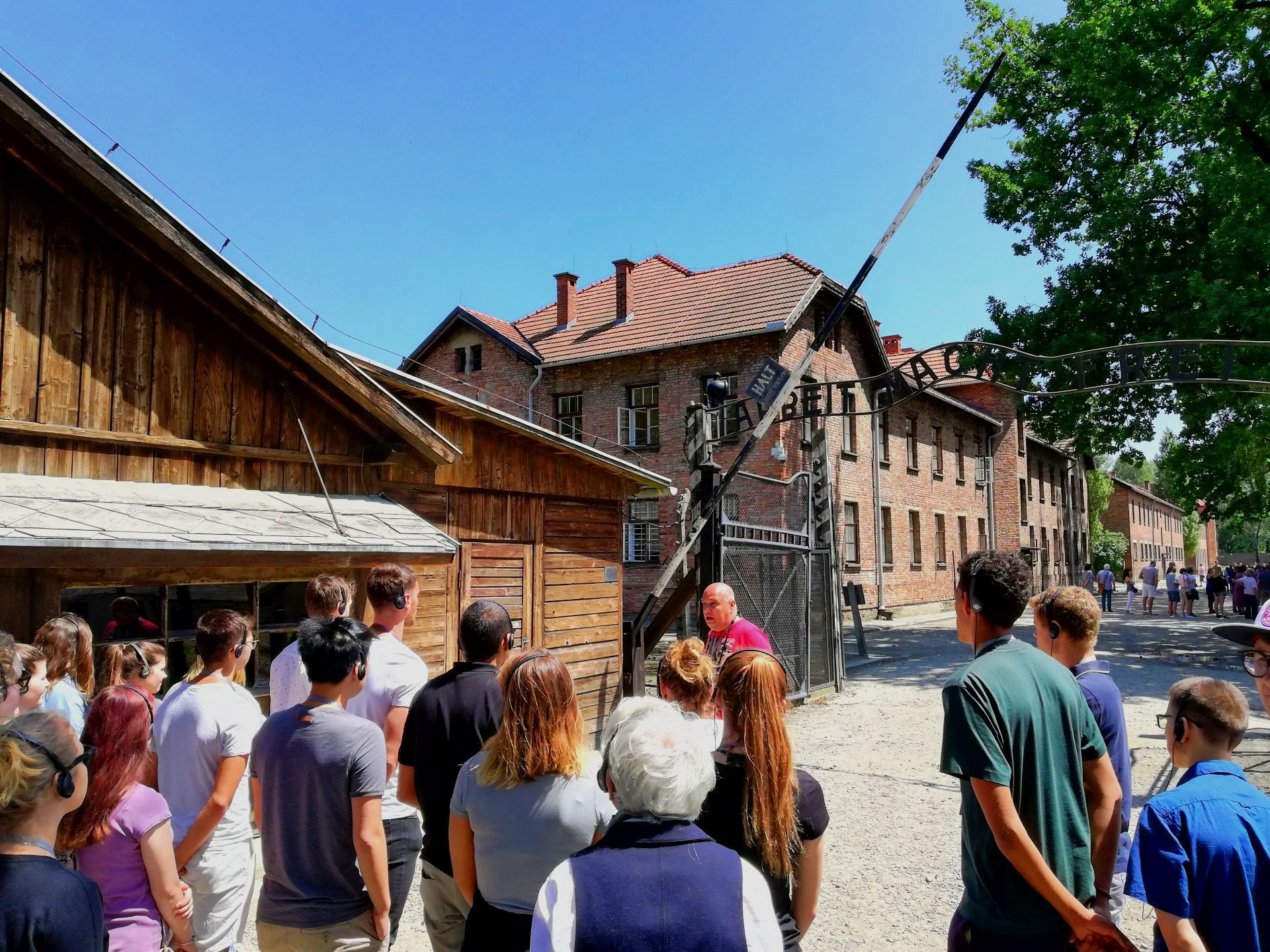
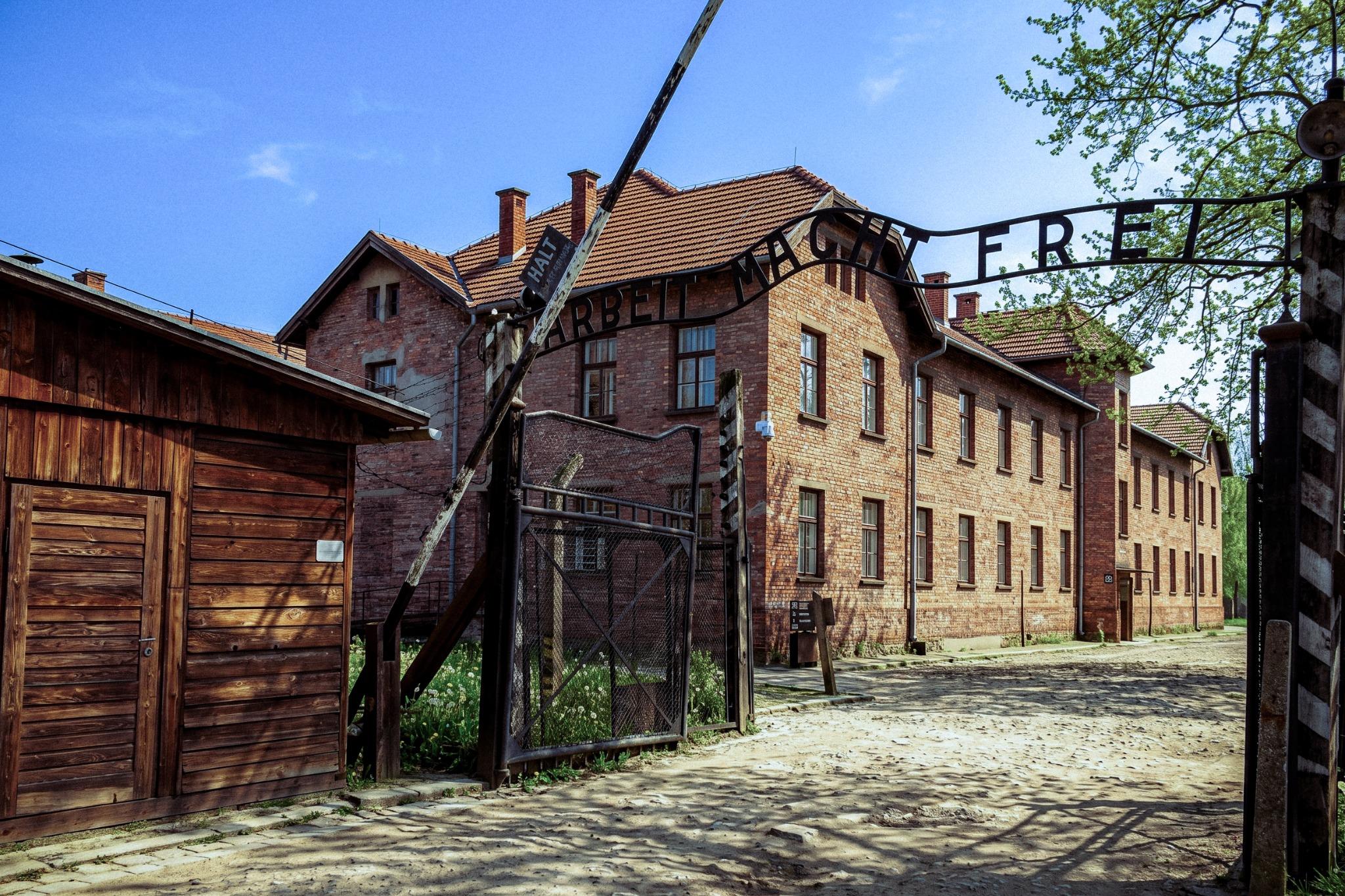
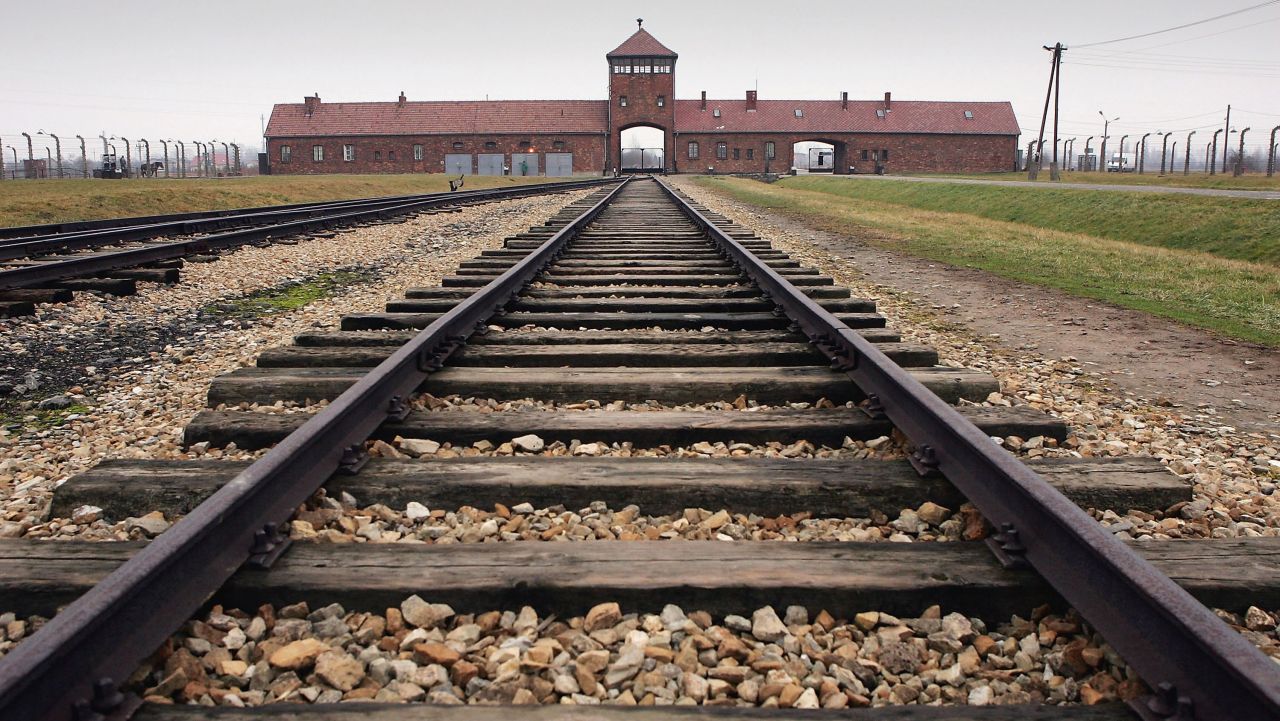
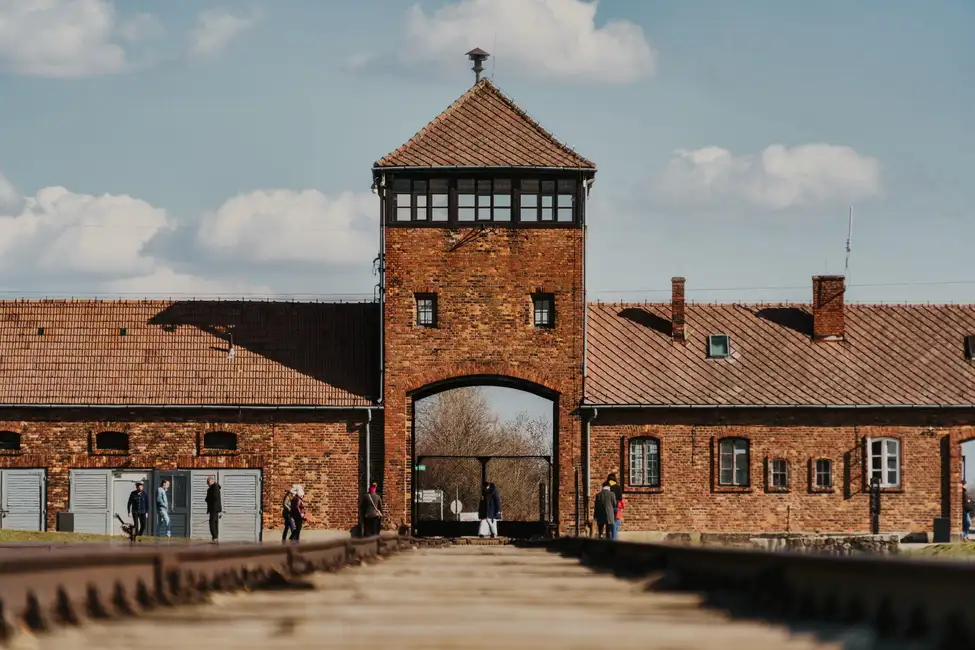
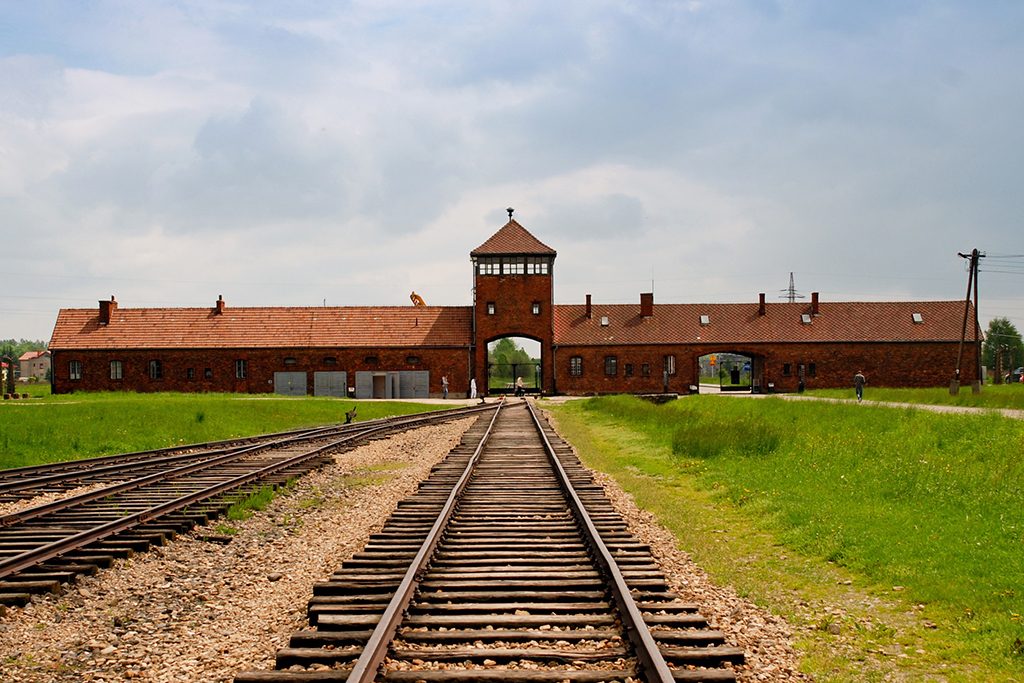
The iconic entrance structure seen in many historical records of the camp expansion.
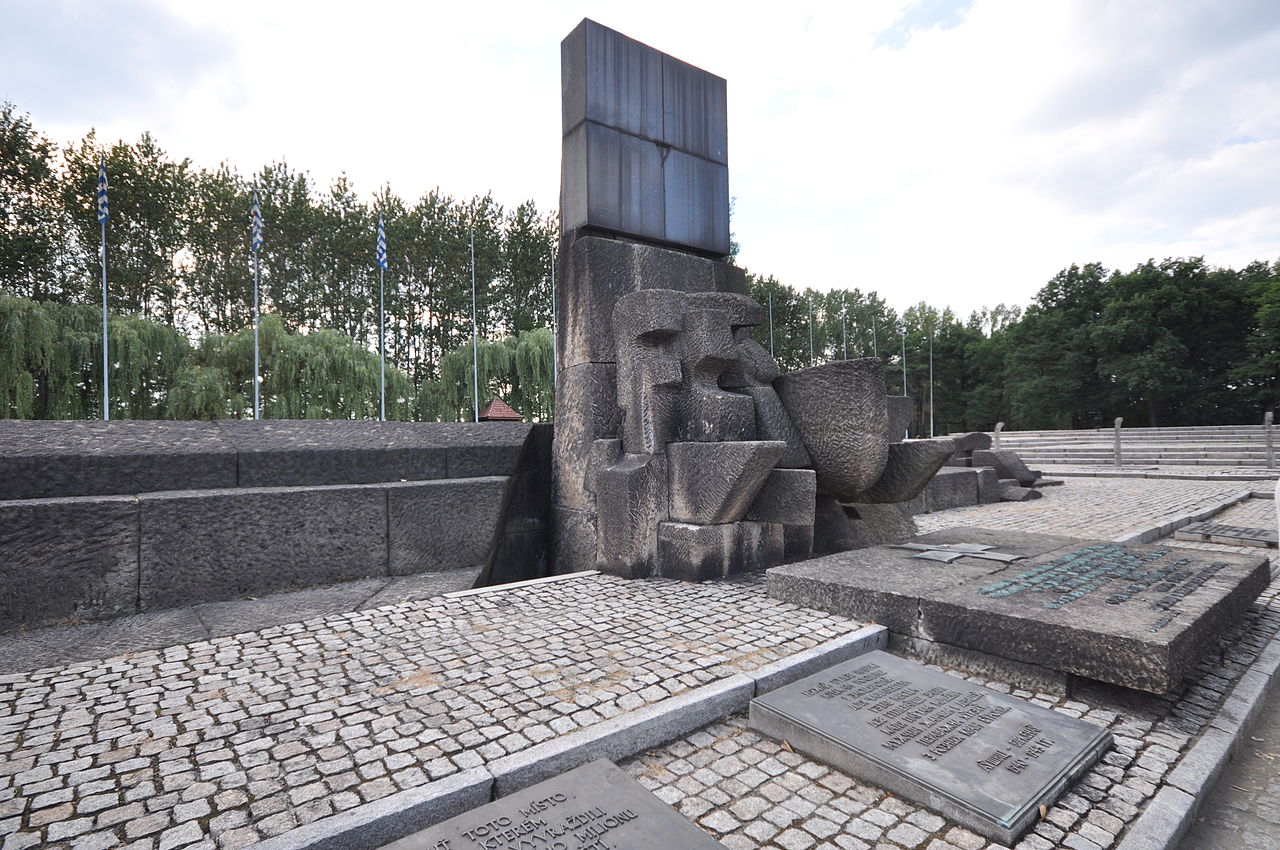
A large memorial dedicated to the victims of the camp, located between the ruins of the crematoria.
You depart Krakow before eight, the private vehicle crossing the Vistula and turning west through agricultural flatland that gives no warning of what lies ahead.
Seventy minutes later, you pass through Oświęcim's residential streets — the town predates the camp by eight centuries — and arrive at the visitor centre, where your certified guide meets you for the reserved entry slot.
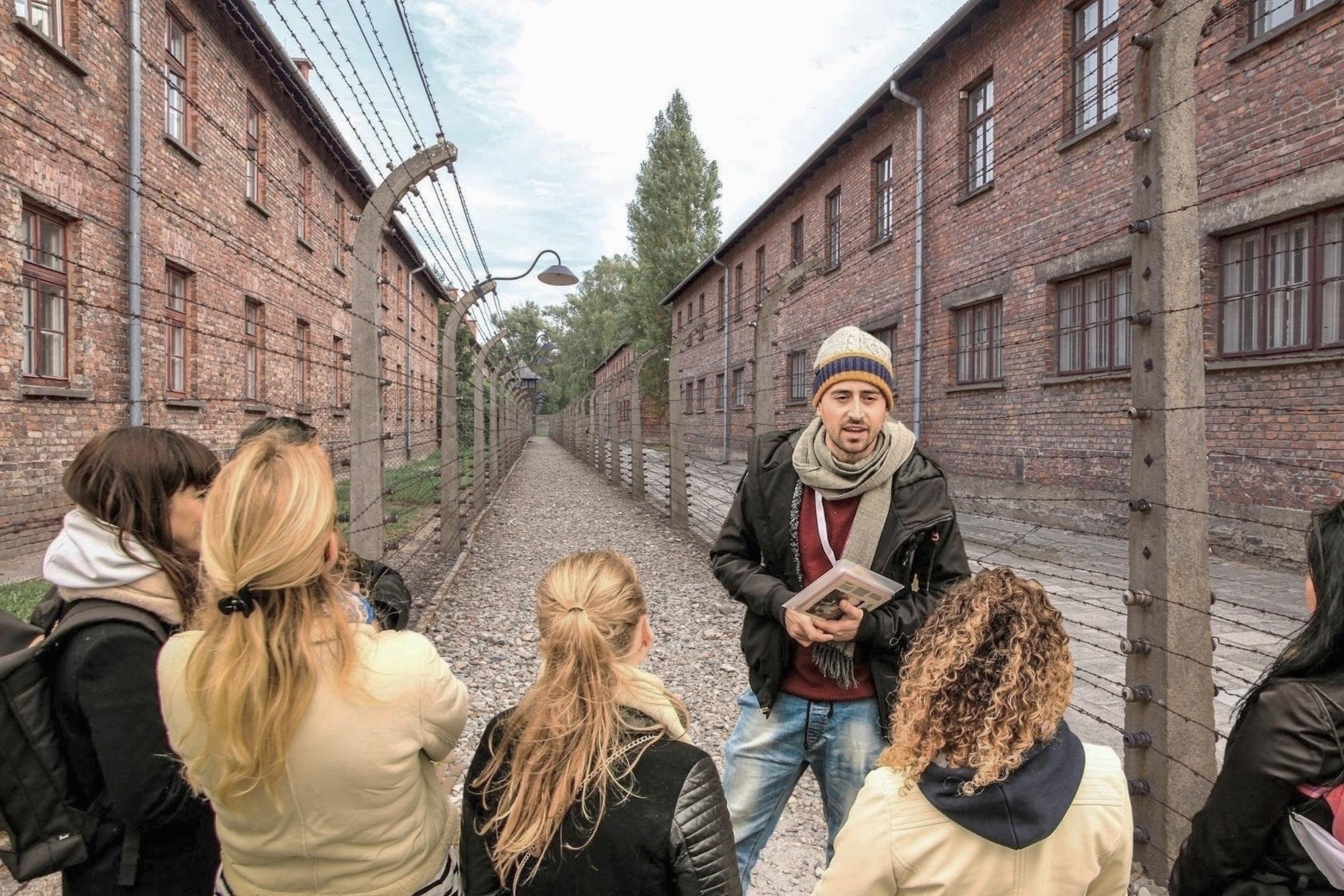
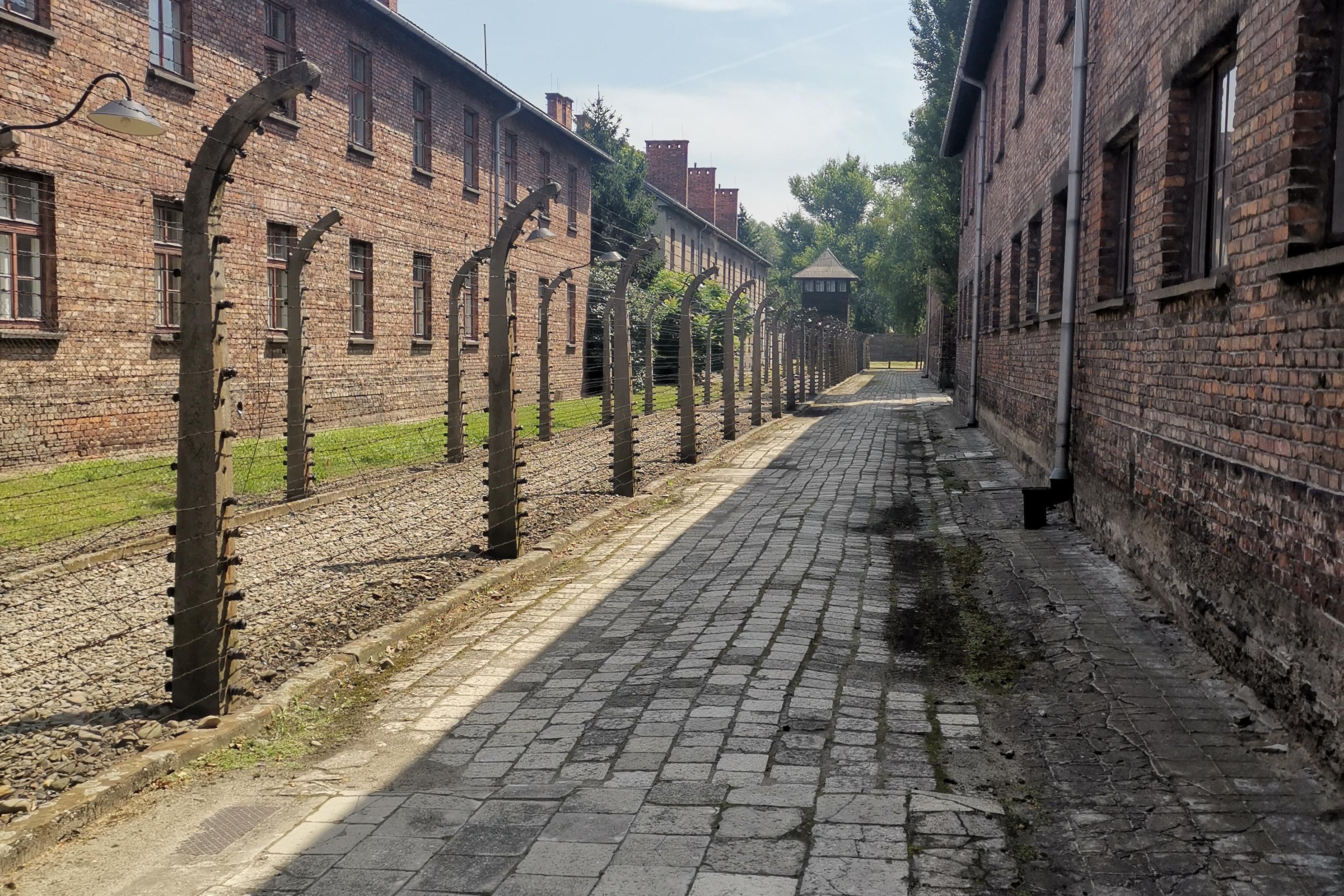
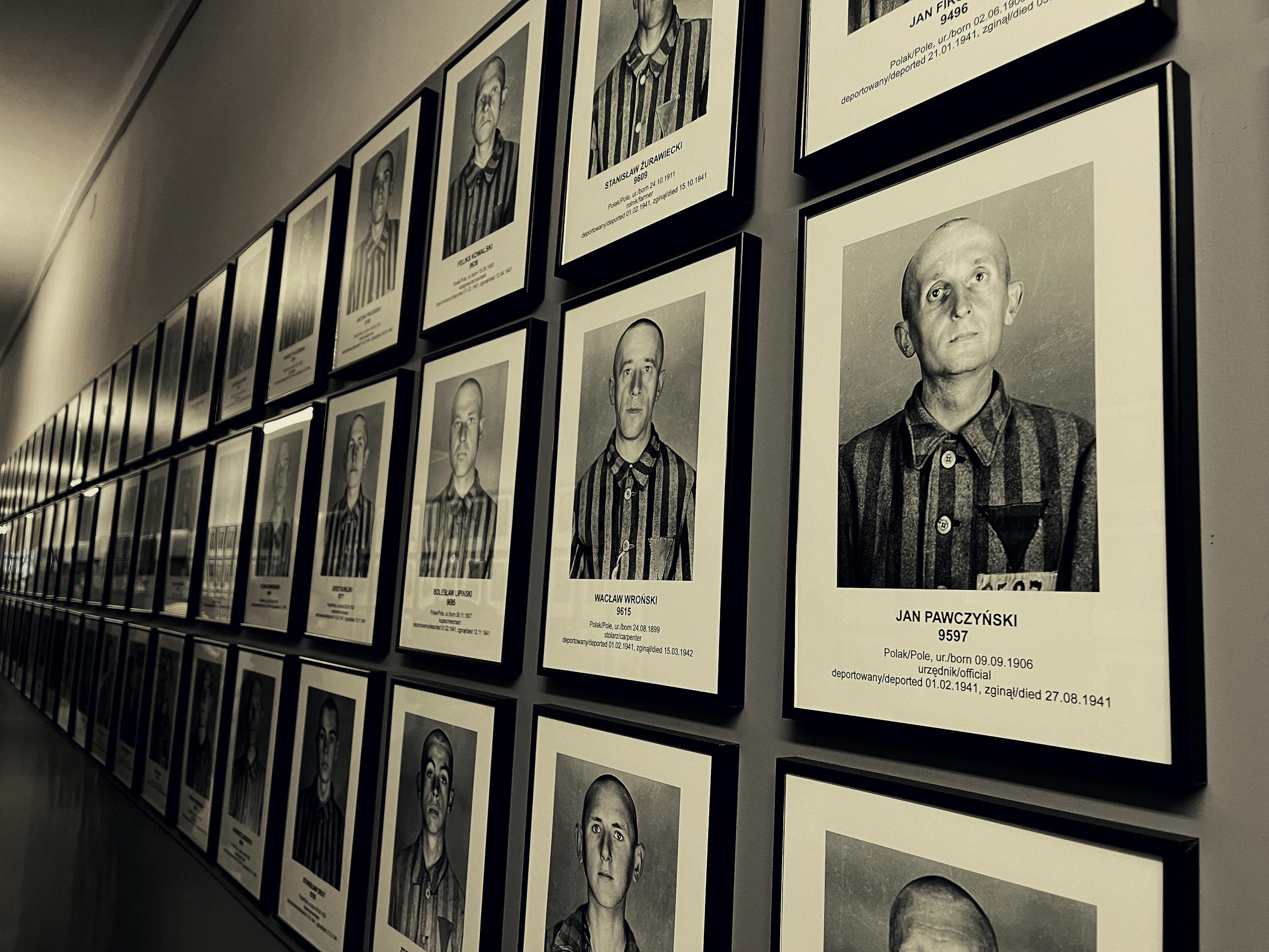
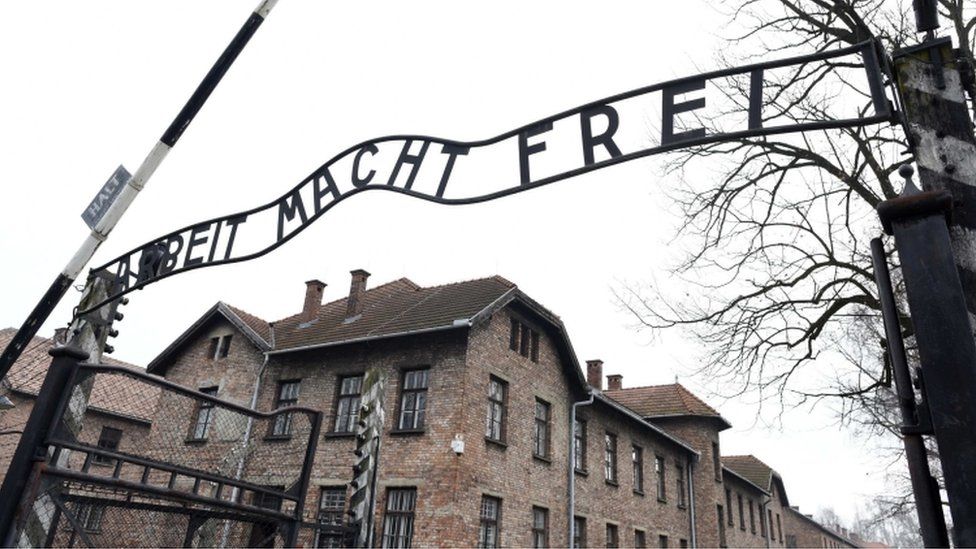
You begin at Auschwitz I, walking beneath the gate and into the grid of brick blocks. Your guide pauses at Block 4 to explain the administrative systems that processed 400,000 prisoners through registration, then moves to Block 5, where basement cells held those awaiting execution. The corridor of photographs — portraits taken by Wilhelm Brasse, a prisoner-photographer — forces you to confront individual faces. You cross to Block 11's courtyard, standing before the Death Wall where 20,000 were shot.
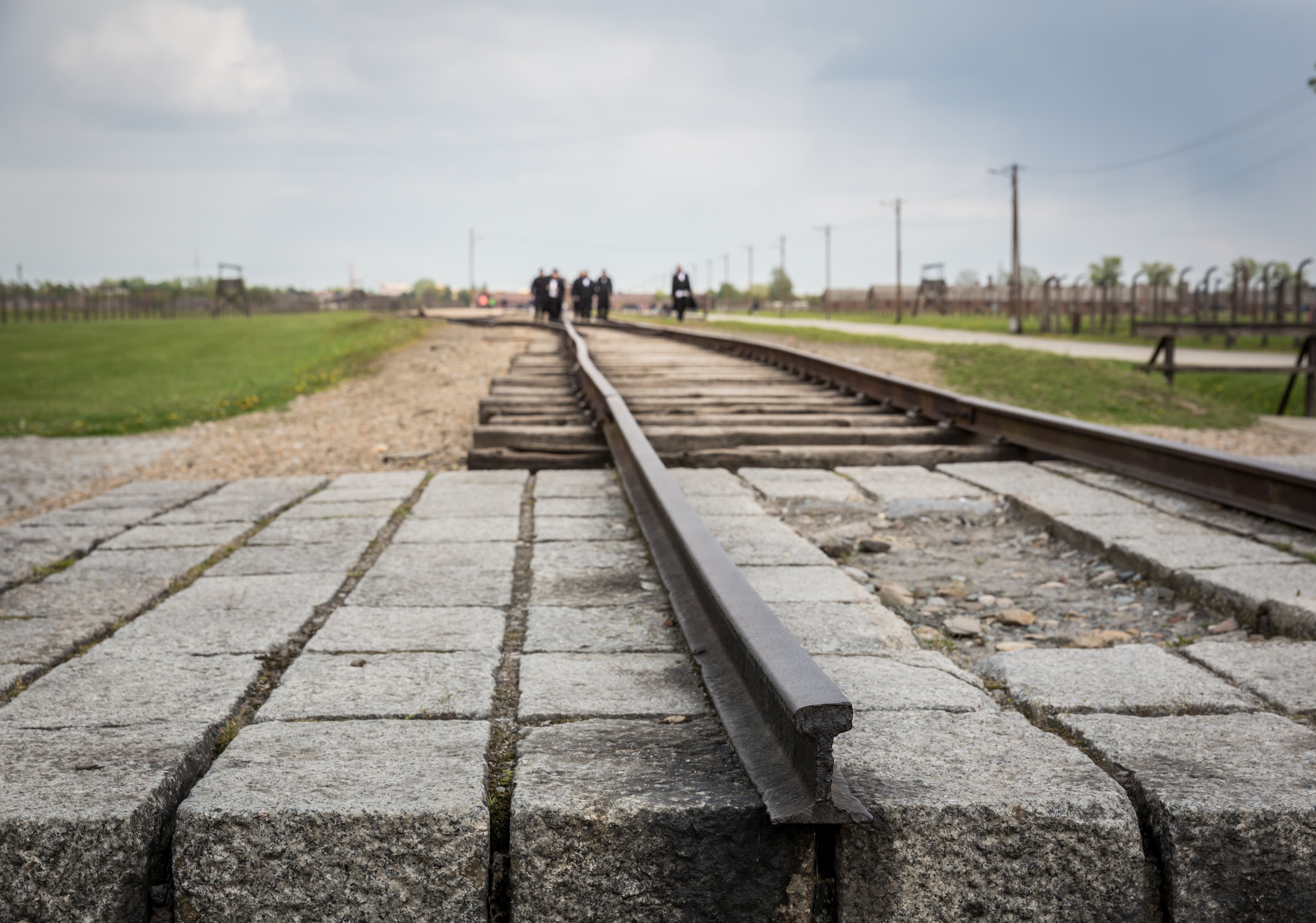
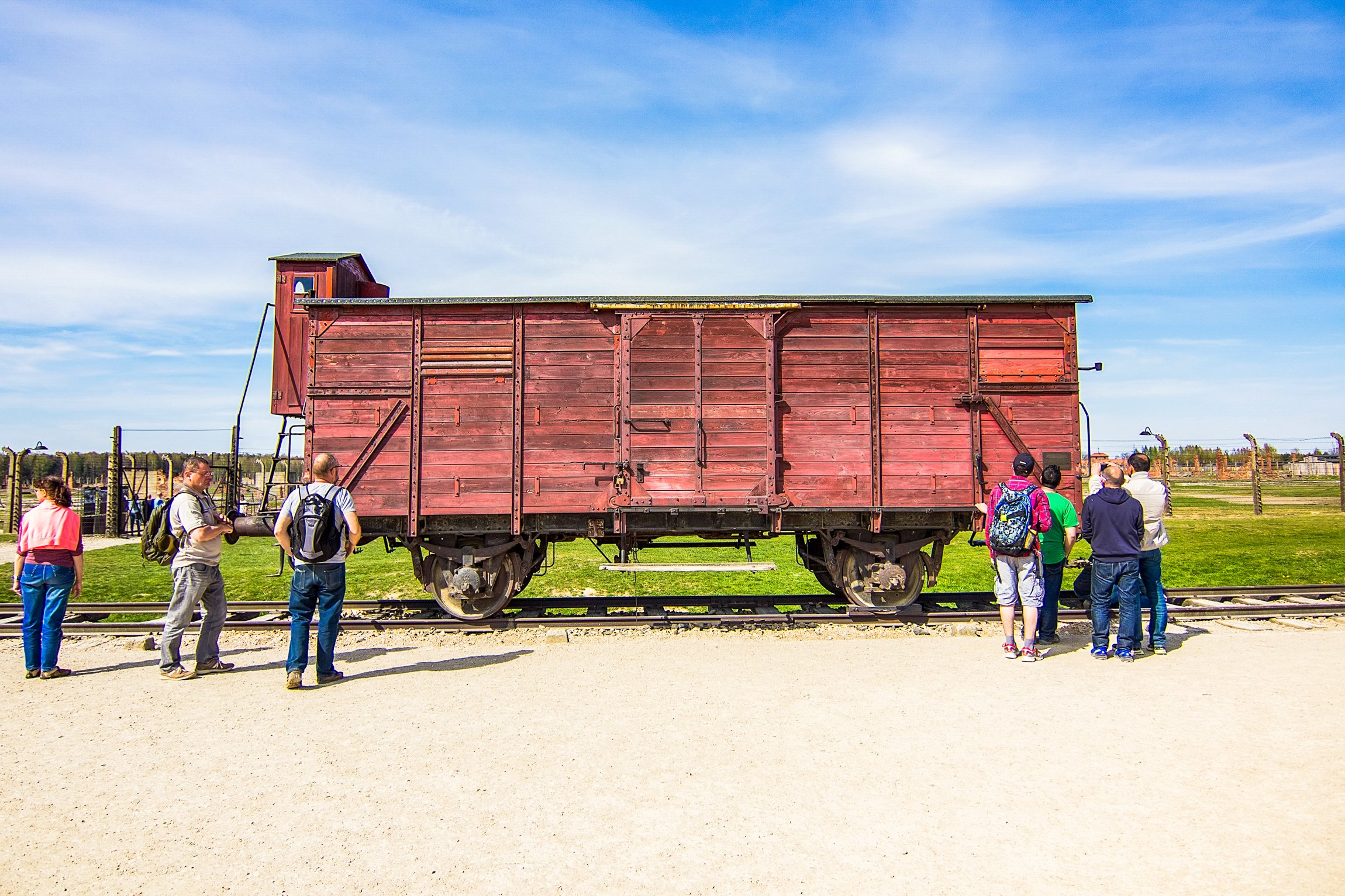
The shuttle bus carries you to Birkenau. You walk the railway siding to the selection platform, then follow the camp's central road past the women's barracks to the ruins of Crematorium II. The guide describes the Sonderkommando's eyewitness accounts, the gas chamber's capacity, the speed of the killing process. You finish at the International Monument, the geometric concrete forms framing the pond where ashes were dumped. The return drive to Krakow is silent.
All the details about your upcoming adventure in one place
In 1940, the SS requisitioned a former Polish army barracks in Oświęcim and converted twenty-two brick buildings into a detention camp that would become the administrative centre of a killing complex spanning forty square kilometres. By the war's end, 1.
1 million people — ninety percent of them Jews deported from across occupied Europe — had been murdered at Auschwitz-Birkenau. The railway siding, the crematoria ruins, and the rows of wooden barracks stand as primary evidence of industrialised genocide, preserved under a 1947 parliamentary act that transformed the site into a state memorial and museum.
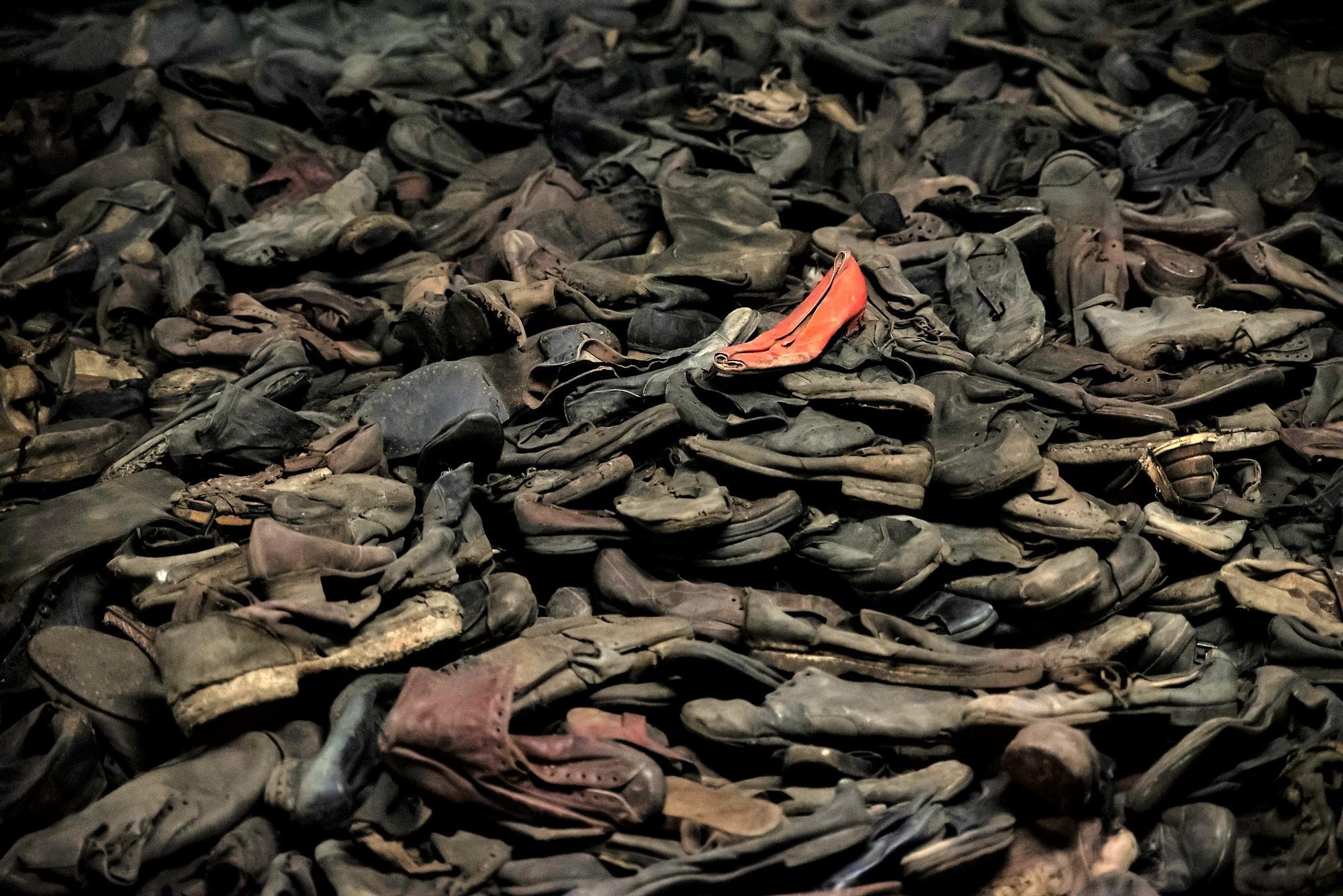
Today, the Auschwitz-Birkenau Memorial receives over two million visitors annually, many arriving on an auschwitz tour from krakow private transfer that navigates the seventy-kilometre route westward through Małopolska. The memorial operates under strict protocols established by the International Auschwitz Council: groups are capped at thirty, silence is mandatory in certain zones, and photography is prohibited inside the blocks that house personal effects — suitcases stamped with names, children's shoes, human hair. Entry to the memorial itself is free, but guided tours require advance reservation and are conducted exclusively by museum-certified educators who interpret the site's layered topography across a three-and-a-half-hour circuit.
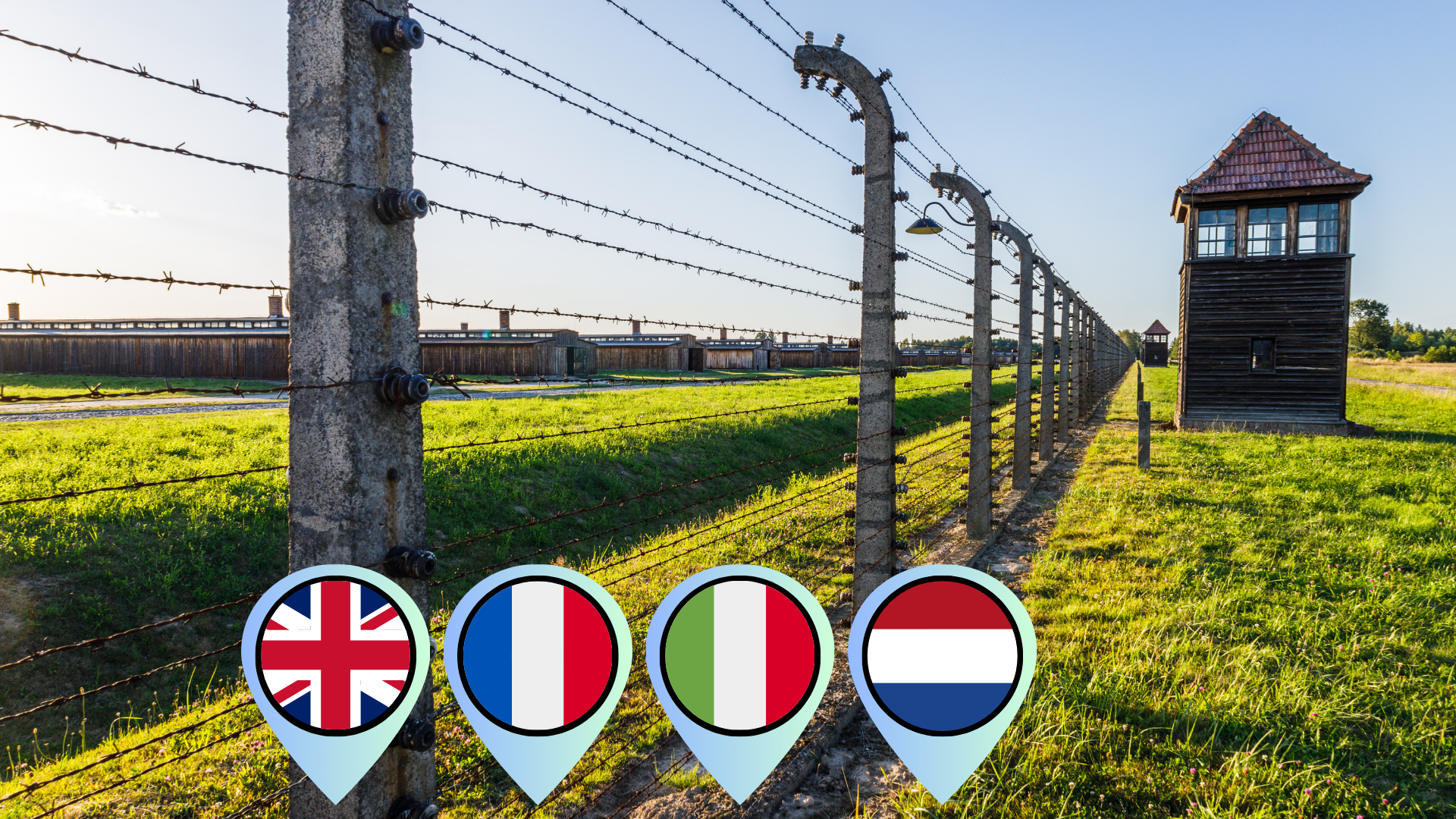
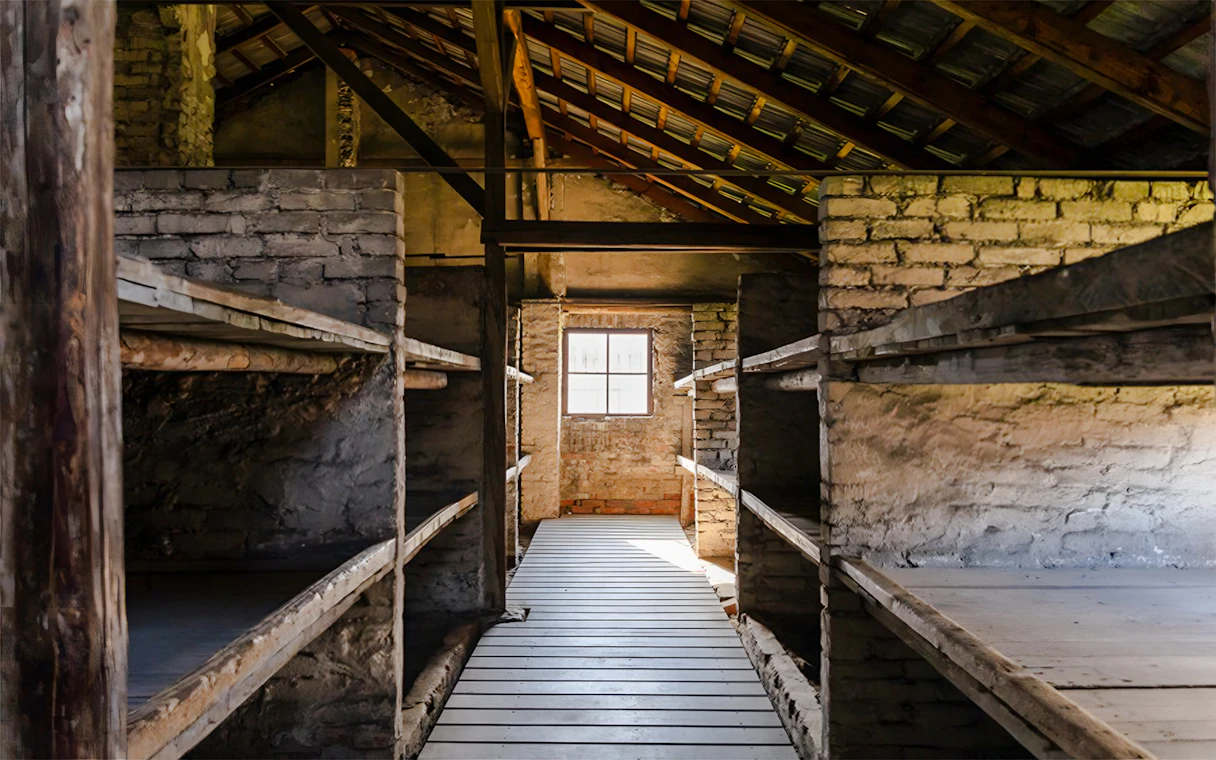
Auschwitz I preserves the original camp infrastructure: the iron "Arbeit Macht Frei" gate, the Death Wall execution site in Block 11's courtyard, and the standing gas chamber that served as the prototype for the four larger installations built at Birkenau. Birkenau, three kilometres north, encompasses the rail platform where SS physicians conducted selections, the remnants of Crematoria II and III destroyed by the Sonderkommando revolt, and the International Monument unveiled in 1967. The memorial's archival holdings include 39,000 photographs, 110,000 personal objects, and testimony from 500 survivors, material that informs both permanent exhibitions and ongoing forensic research. Private auschwitz tour from krakow private options allow flexible departure times — critical given that most visitors require extended time in the memorial's twenty-one national pavilions, each designed by a different country to honour its deported citizens. The site demands physical stamina and emotional resilience; visitors walk approximately four kilometres across both sections, often in weather that mirrors the conditions prisoners endured.
The memorial's 39,000 photographs and 110,000 personal objects form the evidentiary foundation of its educational mission.
Visitors should wear respectful clothing that covers shoulders and knees. As an auschwitz tour from krakow private includes significant walking outdoors, comfortable footwear is necessary.
Security at Auschwitz-Birkenau is strict, and all visitors must pass through a security screening. When booking an auschwitz tour from krakow private, confirm vehicle storage policies as large bags are not permitted inside the memorial.
Photography is permitted for personal use in most areas of the Auschwitz-Birkenau grounds. However, an auschwitz tour from krakow private guide will point out specific locations where photography is restricted for historical and ethical reasons.
The museum is not recommended for children under 14 years of age. Families choosing an auschwitz tour from krakow private should assess the educational maturity of younger guests beforehand.
The site of an auschwitz tour from krakow private features gravel paths and uneven terrain in many sectors. Wheelchair users should prepare for restricted access in certain historical buildings.
Eating and drinking are strictly prohibited within the memorial site. An auschwitz tour from krakow private typically includes transit time where water may be consumed.
Opening Hours
07:30–19:00
Address
Więźniów Oświęcimia 55, 32-600 Oświęcim, Poland
Accessibility
Grounds are largely accessible to visitors with limited mobility
Best Arrival
07:30–10:00
Baggage
Strict limitations on bag dimensions apply to all visitors
Location
Auschwitz-Birkenau Memorial and Museum
Car
Private transfer is the most direct method. Professional drivers handle all parking logistics at the memorial entrance.
Reservations for an auschwitz tour from krakow private are subject to specific operator terms. Individual guided tours require booking online and may have non-refundable components due to the 0 PLN entry fee administration.
Recommended time
Half a day
A well-paced auschwitz tour from krakow private requires roughly four to six hours to navigate both Auschwitz I and Birkenau properly. Visitors should prioritize the best arrival window: 07:30–10:00 — Avoids midday crowds and allows sufficient time for the full memorial experience. Securing auschwitz tour from krakow private tickets early is essential, as the site sees significant foot traffic at the main gate and the gas chambers. Travelers utilizing auschwitz tour from krakow private tours often find that beginning the day at the main camp helps manage the transition to the vast memorial landscape of the second site.
Crowd levels through the day
Weather · crowds · average price — dots go green to amber to red as each metric rises.
Mild temperatures and thinner crowds make spring ideal for an auschwitz tour from krakow private tour. Walking through the memorial during these months allows for quiet reflection.
Expect warm weather and peak tourist volume during these months. Advance planning for an auschwitz tour from krakow private tickets is essential.
Cooler weather arrives in September, providing a somber atmosphere. This is a popular time for visitors seeking fewer crowds.
The site is colder and requires warm gear for outdoor sections. It offers a very quiet experience for those booking an auschwitz tour from krakow private.
Tickets sell out quickly, so secure your auschwitz tour from krakow private tours months in advance. This ensures your preferred date and time are available.
Follow all museum guidelines during your visit. Silence is expected in many of the barracks.
Pick-up location specified at booking
Private transfer meeting point
Get directionsAuschwitz-Birkenau began as a Polish army barracks in the town of Oświęcim before the Nazi occupation transformed it into the largest extermination center of the Holocaust. The SS established Auschwitz I in May 1940 as a detention camp for Polish political prisoners. Rudolf Höss, appointed the first commandant, oversaw the expansion from twenty-two single-story brick buildings into a sprawling complex that would hold tens of thousands. Within a year, the Nazis began construction of Auschwitz II-Birkenau three kilometers away, designed explicitly for mass murder. By March 1942, transports of Jewish families from across occupied Europe arrived directly at the Birkenau ramp, where SS physicians conducted selections separating those sent immediately to gas chambers from those assigned to forced labor. The camp system grew to encompass forty sub-camps supplying slave labor to German industry. Birkenau alone covered 140 hectares and contained four large crematoria, each equipped with gas chambers disguised as shower facilities. The Nazis murdered approximately 1.1 million people at Auschwitz-Birkenau between 1940 and January 1945, the vast majority Jewish, along with Poles, Roma, Soviet prisoners of war, and others deemed undesirable. In the final months, as Soviet forces advanced, the SS attempted to destroy evidence by demolishing crematoria and burning documents. On January 27, 1945, the Red Army liberated the camp, finding roughly seven thousand surviving prisoners too ill to join the forced evacuation marches westward. The Polish government converted the site into a museum and memorial in 1947. UNESCO designated Auschwitz-Birkenau a World Heritage Site in 1979, recognizing it as physical evidence of industrialized genocide. Today the memorial preserves original barracks, watchtowers, railway tracks, and personal belongings of victims displayed in permanent exhibitions. Conservation efforts address the deterioration of wooden structures and metal artifacts exposed to weathering for eight decades. Visitors taking an auschwitz tour from krakow private often confront the scale of atrocity through preserved documents, photographs, and testimony of survivors. The site operates under strict protocols to maintain its character as a cemetery and place of reflection rather than ordinary tourism.
SS establishes Auschwitz I in former Polish army barracks to detain political prisoners.
Construction of Birkenau (Auschwitz II) begins, designed as an extermination center with gas chambers and crematoria.
Transports from occupied Europe deliver over one million victims; the camp becomes the primary site of the Holocaust.
Soviet forces liberate Auschwitz, discovering approximately seven thousand surviving prisoners and extensive evidence of genocide.
Polish government transforms the site into a state museum and memorial to preserve historical evidence.
UNESCO inscribes Auschwitz-Birkenau as a World Heritage Site, designating it a universal symbol of Nazi crimes.
Ongoing conservation projects address structural decay and preserve artifacts for future generations of visitors.
Stand directly in front of the main entrance gate to capture the iron lettering and the path leading into the camp; respect the solemnity of this memorial site when choosing your angle.
Visiting this memorial with family requires careful preparation, as the site is an emotionally demanding place not recommended for children under 14. Choosing a private auschwitz tour from krakow private enables you to manage the pace and emotional weight of the visit according to your family's needs.
The museum grounds and historic buildings feature uneven terrain and stairs, making them unsuitable for strollers or wheelchairs. If you visit with small children, you must carry them, as prams are not permitted inside the exhibition buildings.
Official museum guidelines suggest that children under 14 years old do not visit due to the sensitive and graphic nature of the historical exhibitions. Many families find that older teenagers are better prepared for the experience provided by a private auschwitz tour from krakow private tour.
There are no baby-changing facilities on site, and the solemn nature of the memorial means there are no designated play areas or child-friendly amenities. Visitors should plan to handle all childcare needs before or after the visit to maintain the necessary atmosphere of respect.
A full day is typically required for your auschwitz tour from krakow private tickets to ensure enough time for both Auschwitz I and Birkenau without rushing. Private transport allows for a flexible return schedule, which can be beneficial if your family needs to depart immediately following the tour.
Eating is strictly prohibited inside the memorial grounds, so ensure children have snacks before starting the guided experience. Water is encouraged, but remember to keep all belongings minimal to comply with the 35x25x15 cm bag size limit.
Visitors planning an auschwitz tour from krakow private should note that dining options at the memorial are limited, with most travelers opting for snacks near the entrance or local venues within walking distance. While choosing an auschwitz tour from krakow private tour often includes transport, these nearby spots provide a convenient place to pause before or after your visit.
Located near the visitor center, this spot offers coffee, sandwiches, and light refreshments suitable for a quick stop. It is often crowded during peak hours following an auschwitz tour from krakow private tickets reservation.;Bar Mleczny (Milk Bar)
Everything you need to know for your journey
Auschwitz-Birkenau is open daily from 07:30–19:00. This schedule applies to all visitors.
Entry is 0 PLN, though guided tours are paid and require booking online. Your chosen auschwitz tour from krakow private handles these bookings.
Visitors should dress respectfully with covered shoulders and knees. This is mandatory for all guests at Auschwitz-Birkenau.
Only small bags are permitted inside the memorial grounds. Most larger items must be stored before your auschwitz tour from krakow private begins.
The best arrival window is 07:30–10:00 to avoid crowds. This ensures a more focused experience during your auschwitz tour from krakow private.
Photography is allowed for personal use in most areas. Please check with your guide during your auschwitz tour from krakow private for specific restrictions.
You can book an auschwitz tour from krakow private directly through our website. Select your date to view available private transfer slots.
The site is not recommended for children under 14. Families should consider this before booking an auschwitz tour from krakow private.
Food and drink are not allowed inside the memorial. Please keep all consumables in your vehicle during an auschwitz tour from krakow private.
An auschwitz tour from krakow private typically lasts several hours. Plan for a full day of reflection and travel.
A medieval castle overlooking the river. It offers a contrast to the memorial site.
The primary base for most visitors.
Join thousands of happy travelers who have discovered this incredible experience
Book Your Experience Now