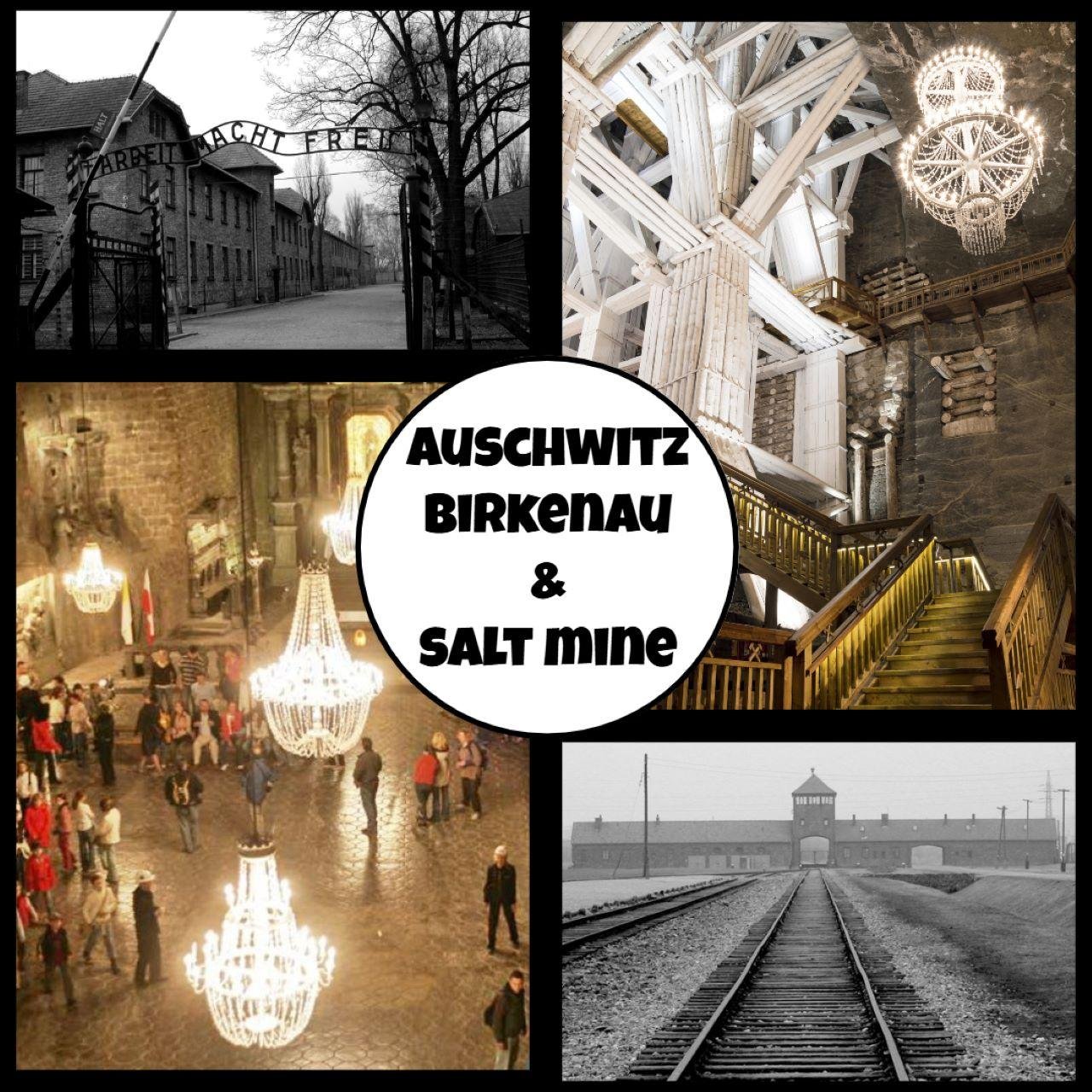
11 hr
Auschwitz-Birkenau & Wieliczka Salt Mine Full-Day Tour
- Expert local guide
- Small group
- Skip-the-line access
- Free cancellation
Auschwitz-Birkenau & Wieliczka Salt Mine — Full-Day Tours From Kraków
Two UNESCO sites in one journey, preserved history beneath and above ground.
Compare fares, pick the fit — all bookings are mobile-voucher and eligible for free cancellation where shown.
11 hr
7 hr
11 hr
Choosing the right configuration for an auschwitz tour from krakow and salt mines requires balancing logistical convenience with your preferred level of historical immersion. Visitors planning their Krakow UNESCO heritage visit should select an entry type based on whether they prioritize a guided educational narrative or independent exploration.
|
Top pick Guided Tour Professional Educator |
Individual Entry Self-Guided Access | |
|---|---|---|
| Entry Type | Guided visit | Self-guided tour |
| Mandatory Booking | Required | Required |
| Historical Context | Extensive expert narrative | Provided via guidebook |
| Group Size | Fixed group size | Independent pace |
| Access Method | Timed entry | Timed entry |
| Best For | First-time visitors | Independent researchers |
| See tickets & prices |
Verdict: For a comprehensive auschwitz tour from krakow and salt mines tours experience, most visitors find that selecting the guided option ensures the most structured path through these somber landmarks while securing the necessary auschwitz tour from krakow and salt mines tickets.
Worth it for history-focused travelers
An auschwitz tour from krakow and salt mines combines two of Poland's most significant sites into a single day trip, typically running 10-11 hours with guided access to both locations. The Auschwitz-Birkenau Memorial requires free timed entry but mandatory guided tours during peak hours, while the Wieliczka Salt Mine charges admission separately. Combo packages handle logistics—hotel pickup, transport between sites, and skip-the-line access—eliminating the complexity of coordinating public buses and separate bookings. The pairing works because both sites sit within an hour of Kraków, though the emotional weight of the concentration camp and the underground chapel carved from salt create sharp tonal contrast. This is worth it for travelers who want expert historical context at Birkenau's barracks and gas chambers, plus the engineering spectacle of Europe's oldest salt mine, without planning two separate day trips. Skip if you prefer to spend a full day processing Auschwitz alone, or if you're primarily interested in Kraków's city center.
Bottom line: The auschwitz tour from krakow and salt mines combo works if you value logistical efficiency and want curated historical context across both sites in a single day.
Combined tours offer maximum efficiency for those on a tight schedule, whereas visiting sites separately allows for deeper reflection and less daily intensity. Most travelers find that separate visits to these Krakow landmarks provide a more manageable pace for processing the emotional and physical demands of each location.
|
Top pick Combined Day Trip |
Separate Day Visits | |
|---|---|---|
| Total daily duration | 11–12 hours | 6–8 hours per day |
| Depth of experience | Surface level due to time | Comprehensive and immersive |
| Fatigue factor | High physical and mental strain | Moderate and distributed |
| Travel time per site | Significant transit between locations | Direct focus on one attraction |
| Logistical ease | Single booking handles all | Requires individual site planning |
| Auschwitz tour from krakow and salt mines tours | Covers both in one day | Requires two separate bookings |
| See tickets & prices |
Verdict: Choose the combined auschwitz tour from krakow and salt mines tickets if time is your primary constraint, or opt for separate days if you prefer to digest the historical significance of the memorial and the UNESCO salt mine heritage at a more measured pace.
Hand-picked experiences loved by thousands of travelers
11 hours
Free Cancellation
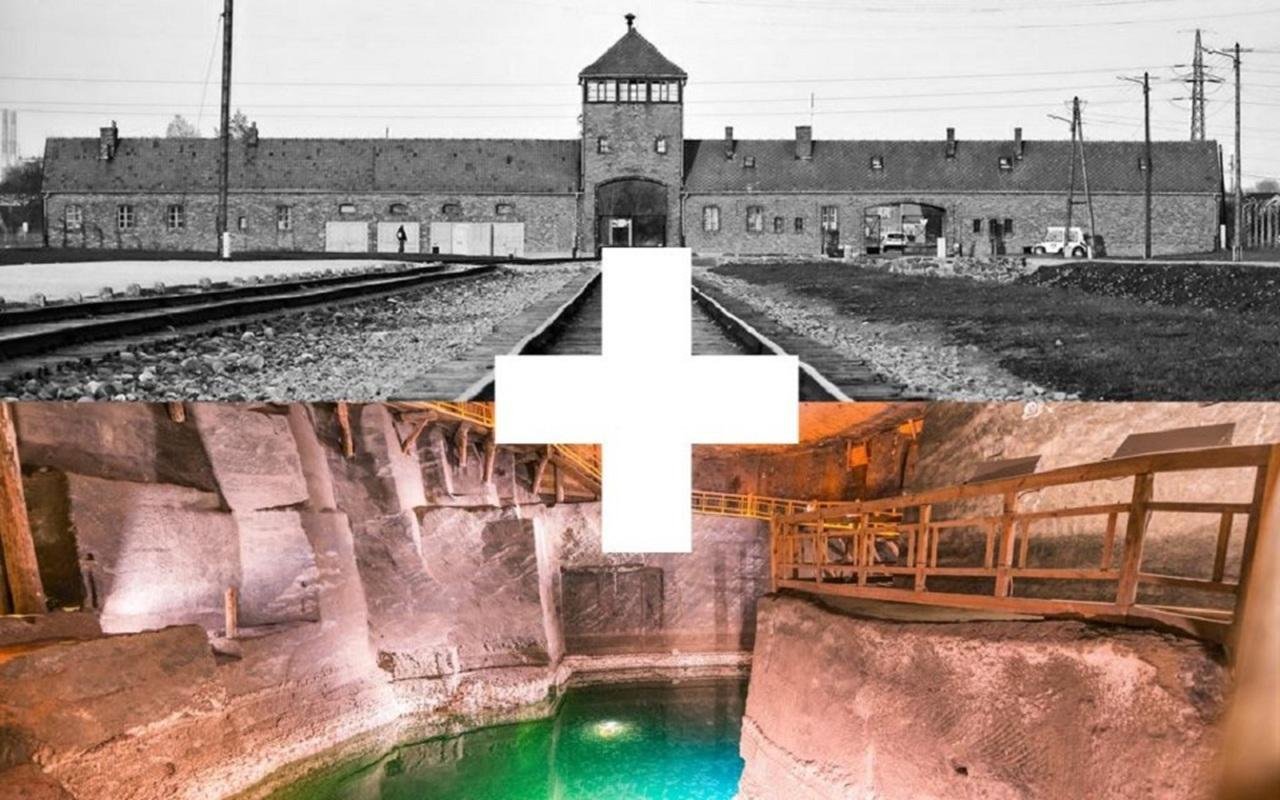
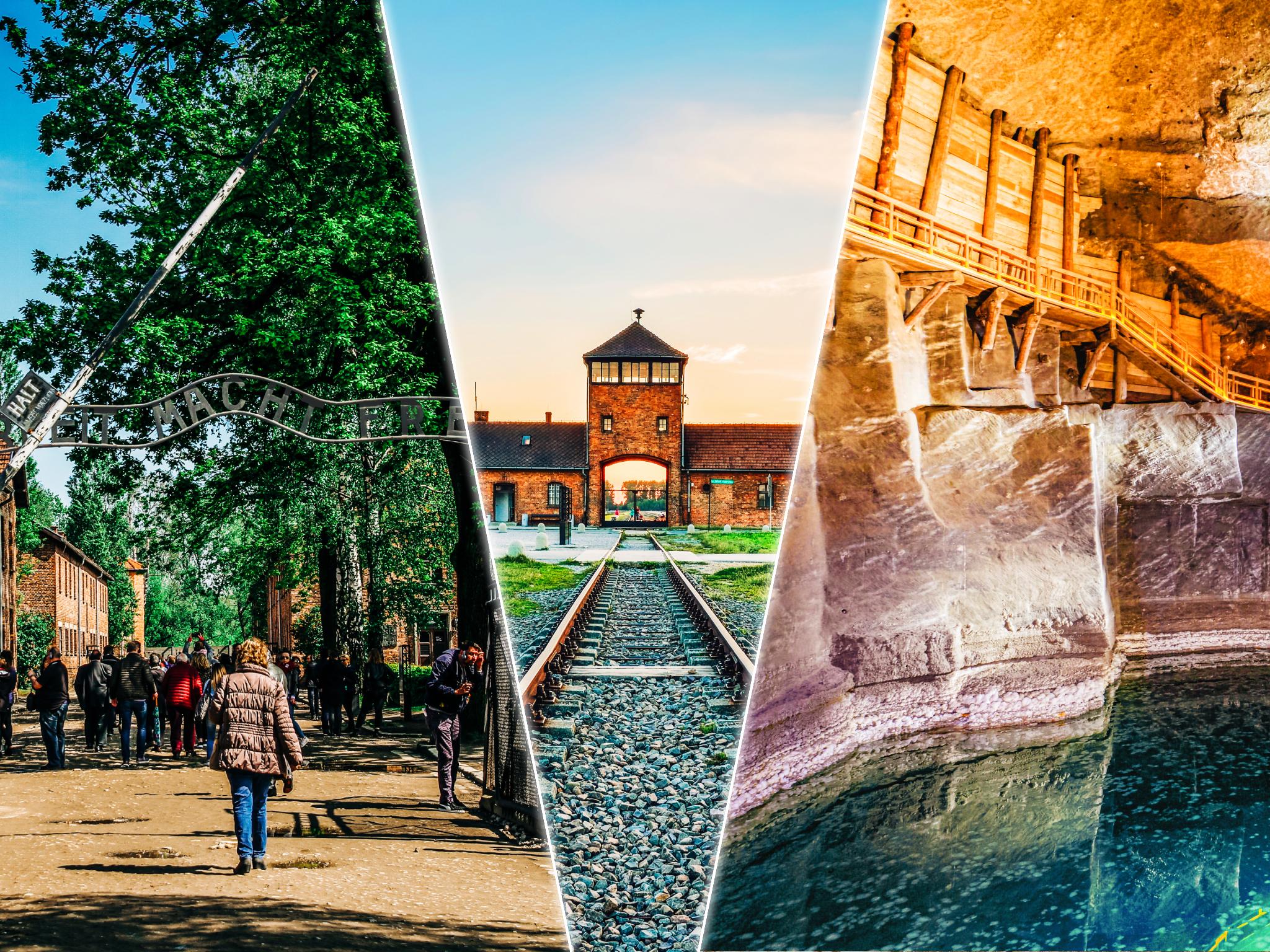
Visit two UNESCO sites in one day: the Auschwitz-Birkenau Memorial and the underground wonders of Wieliczka Salt Mine
2 hours 30 minutes
Free Cancellation
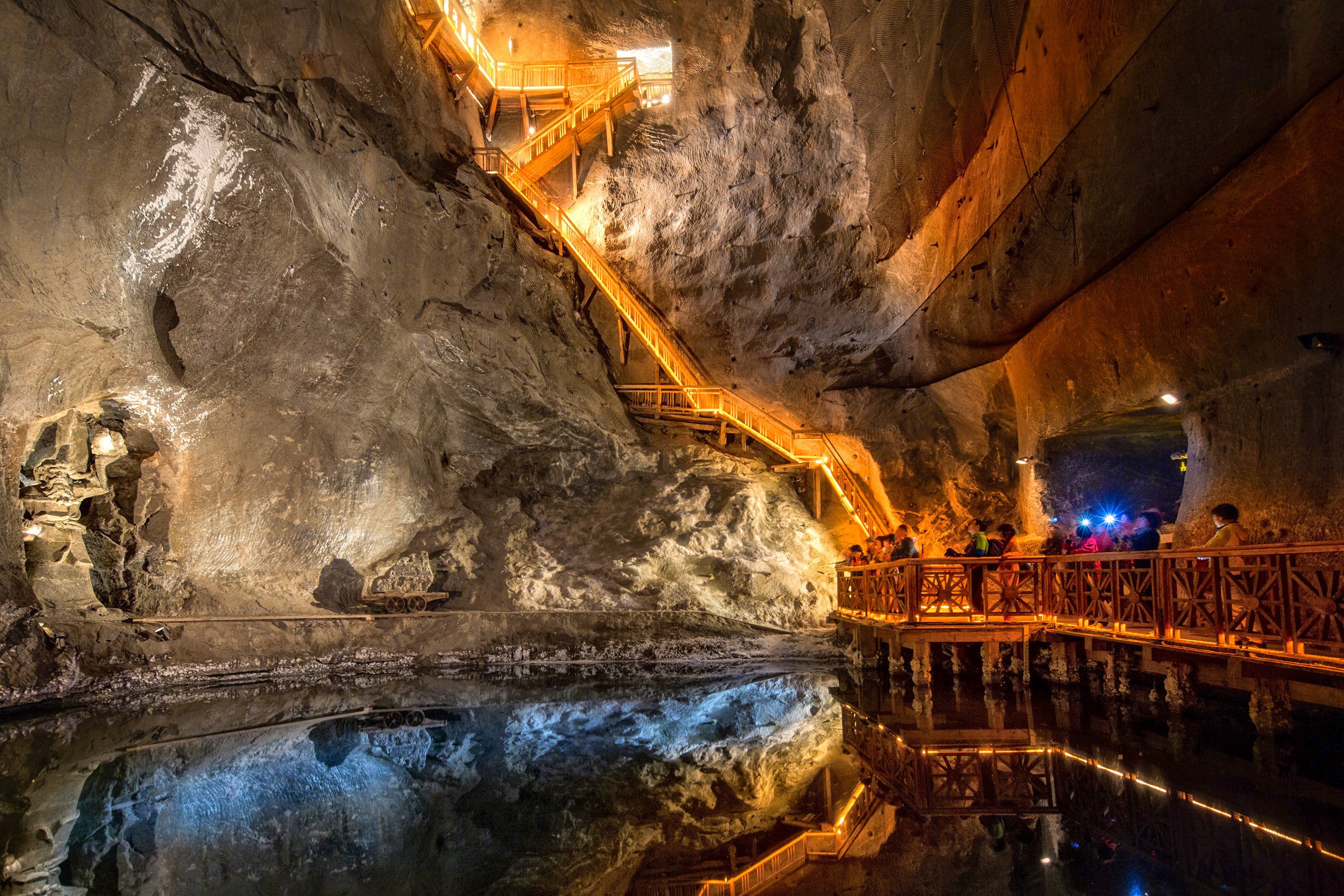
Journey 135 meters underground to explore carved chambers, salt sculptures, and artistic installations
11 hours
Free Cancellation
Journey through Poland's darkest history and brightest underground wonder in a single comprehensive day
7 hours
Free Cancellation
Journey through history at two preserved concentration camp sites with expert interpretation and priority access
11 hours
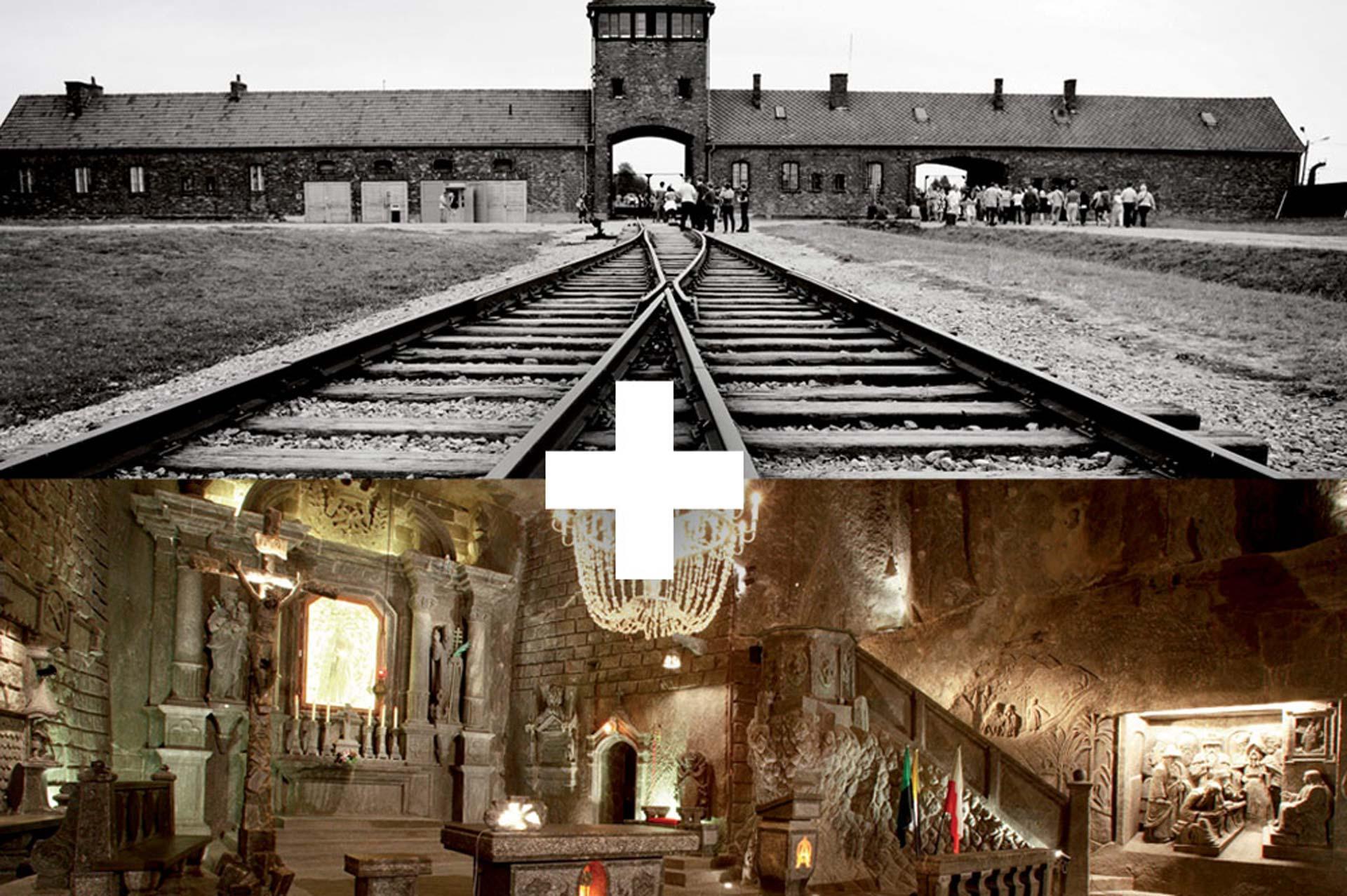
Experience two of Poland's most significant sites in a single day: the memorial at Auschwitz and the underground wonder of Wieliczka Salt Mine
11 hours
Visit two UNESCO sites in one day: witness the sobering history of the Nazi camps and descend into medieval salt caverns.
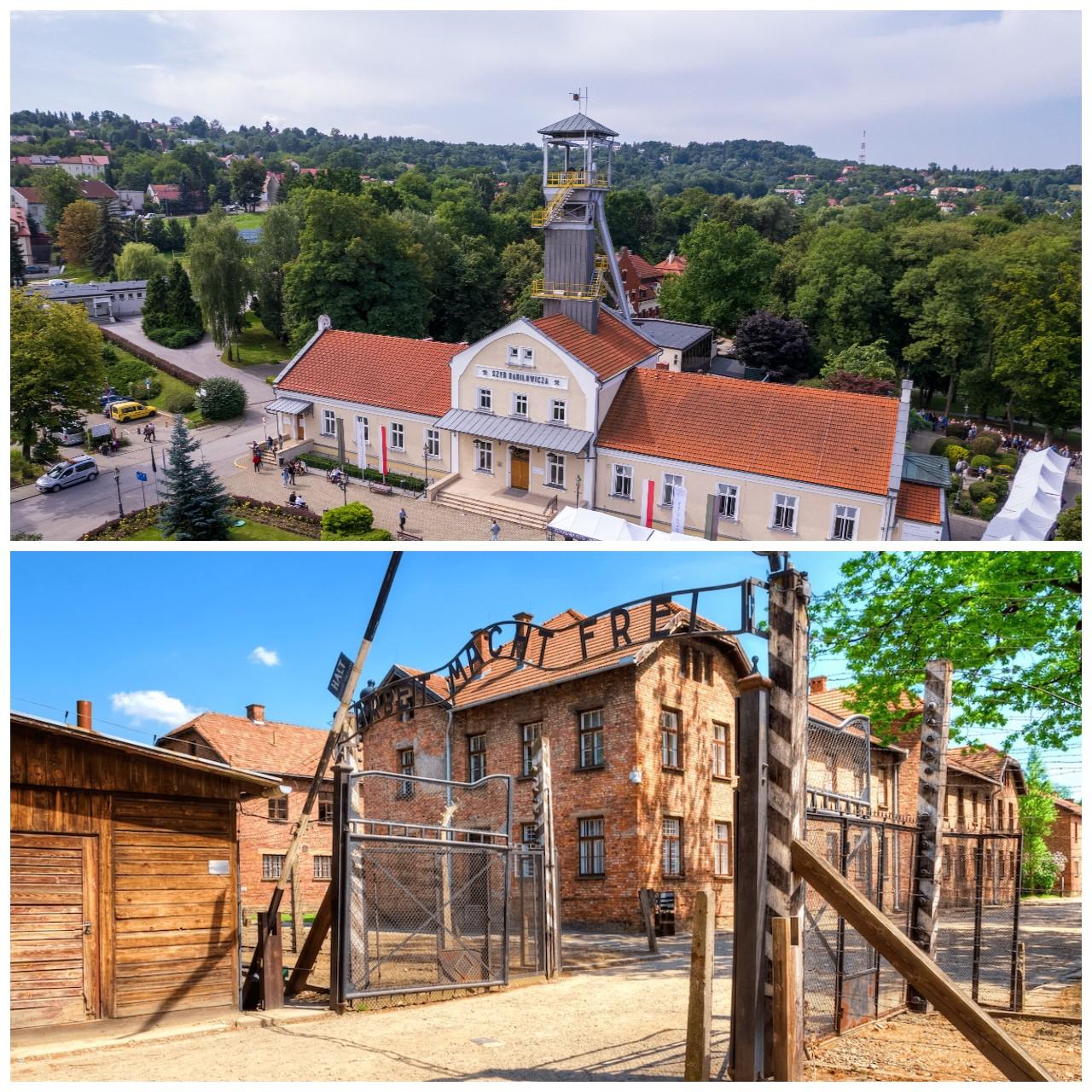
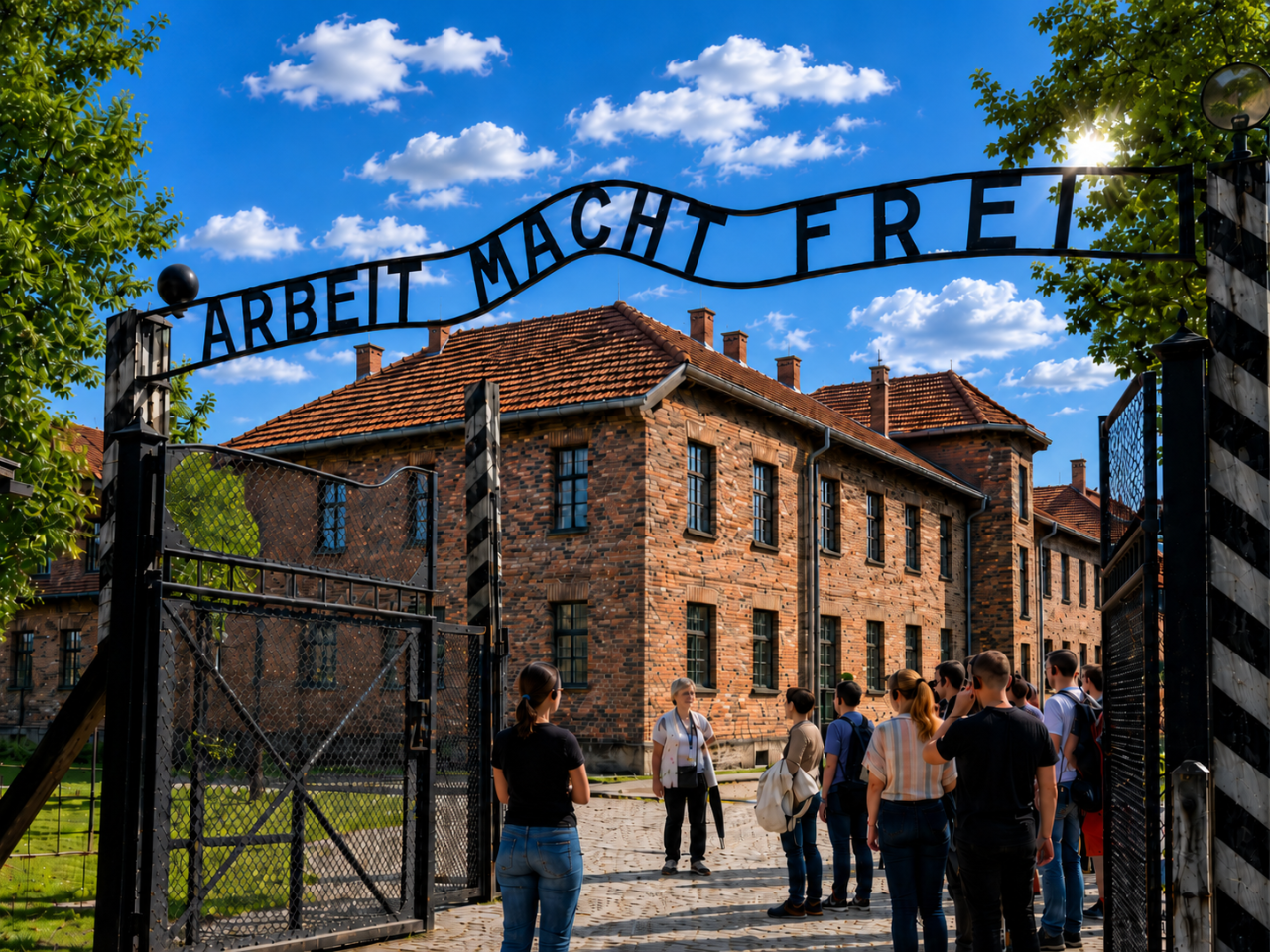
Begin at the main gate of the Auschwitz I camp
Visit the blocks detailing camp life
Transfer to the large-scale camp layout
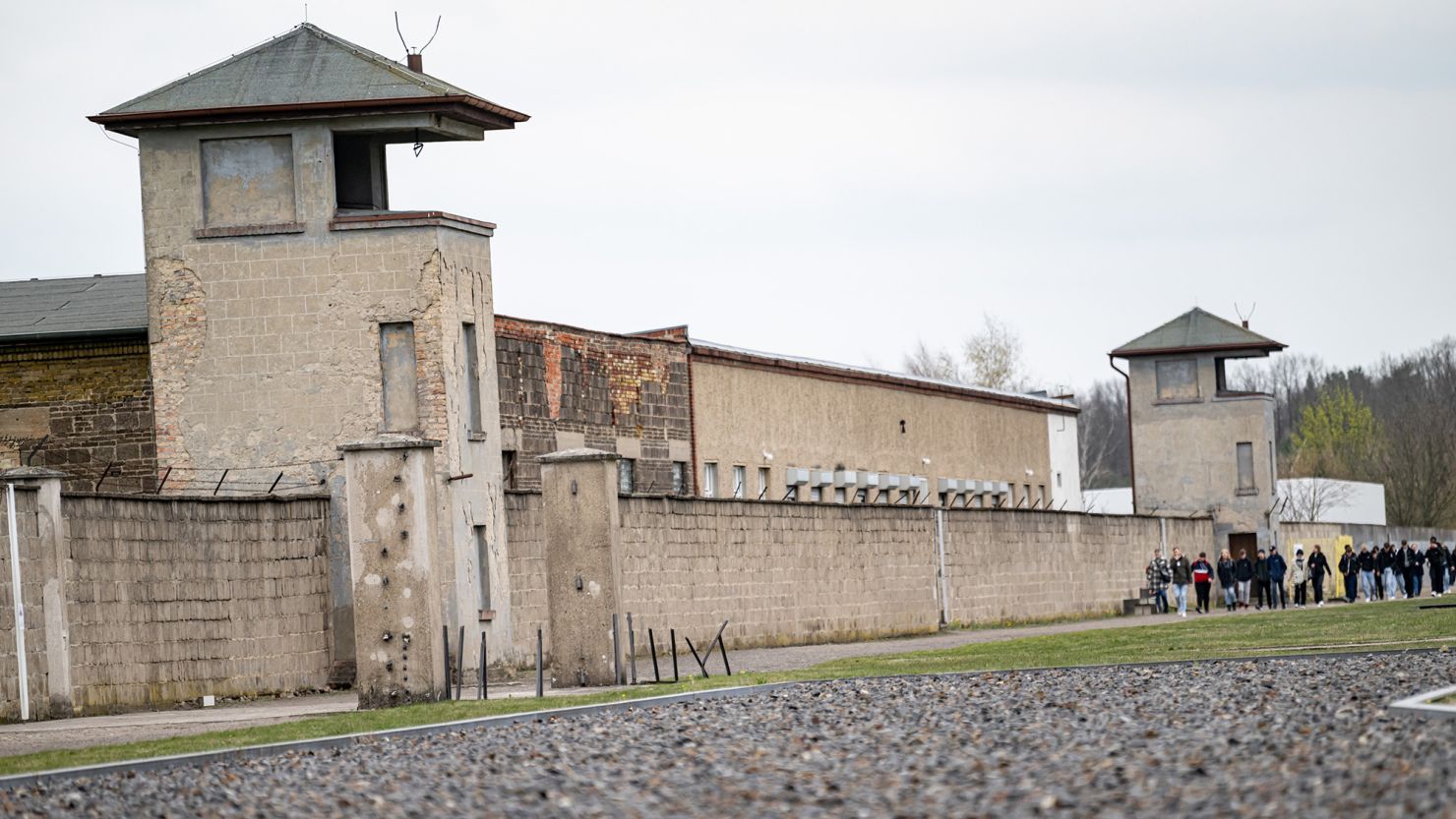
The site of executions by the SS located in the courtyard of Block 11 at the main camp
auschwitz_death_wall
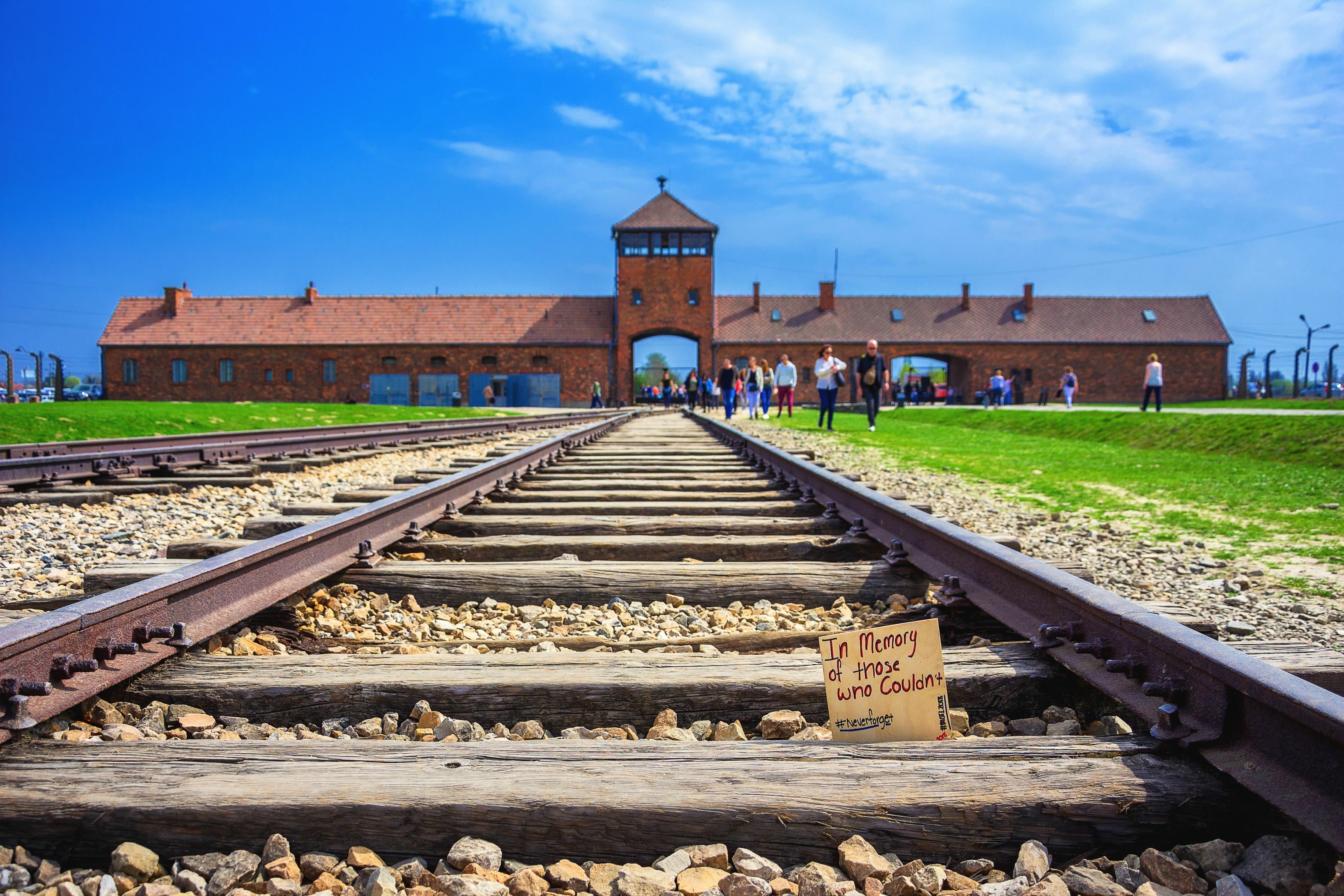
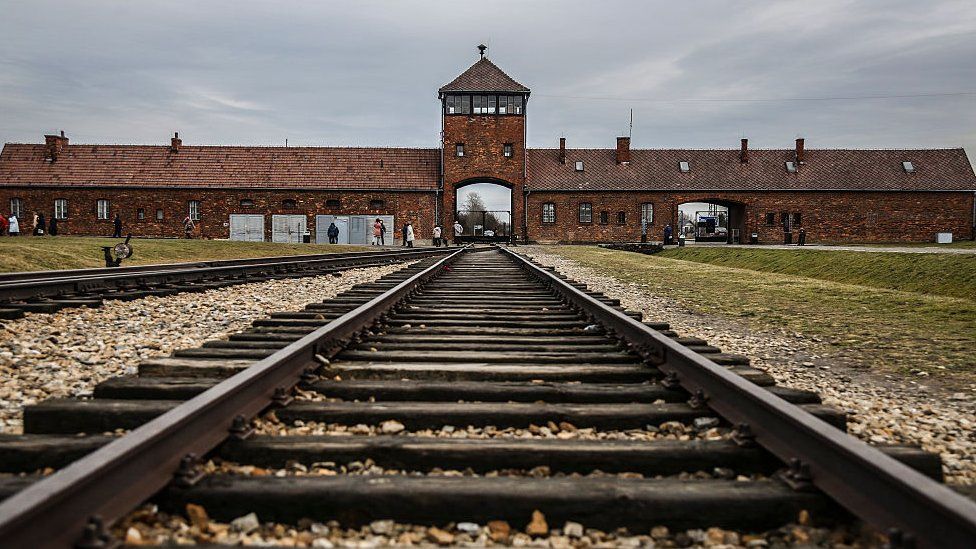
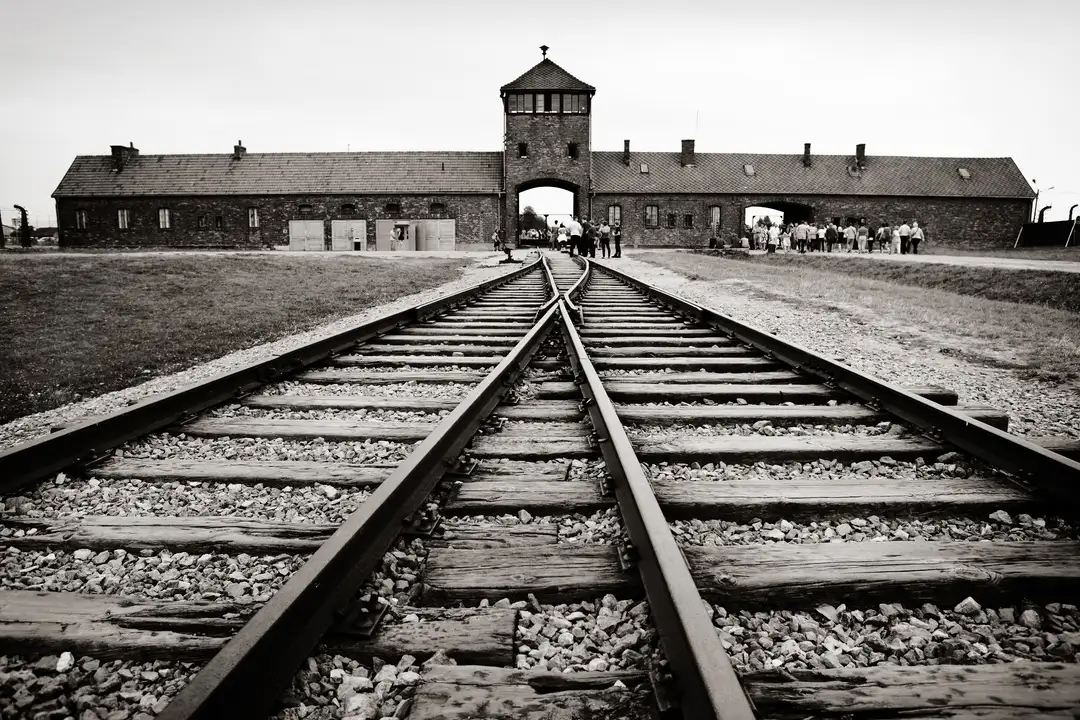
The iconic gatehouse through which train transports arrived at the camp
auschwitz_birkenau_gate
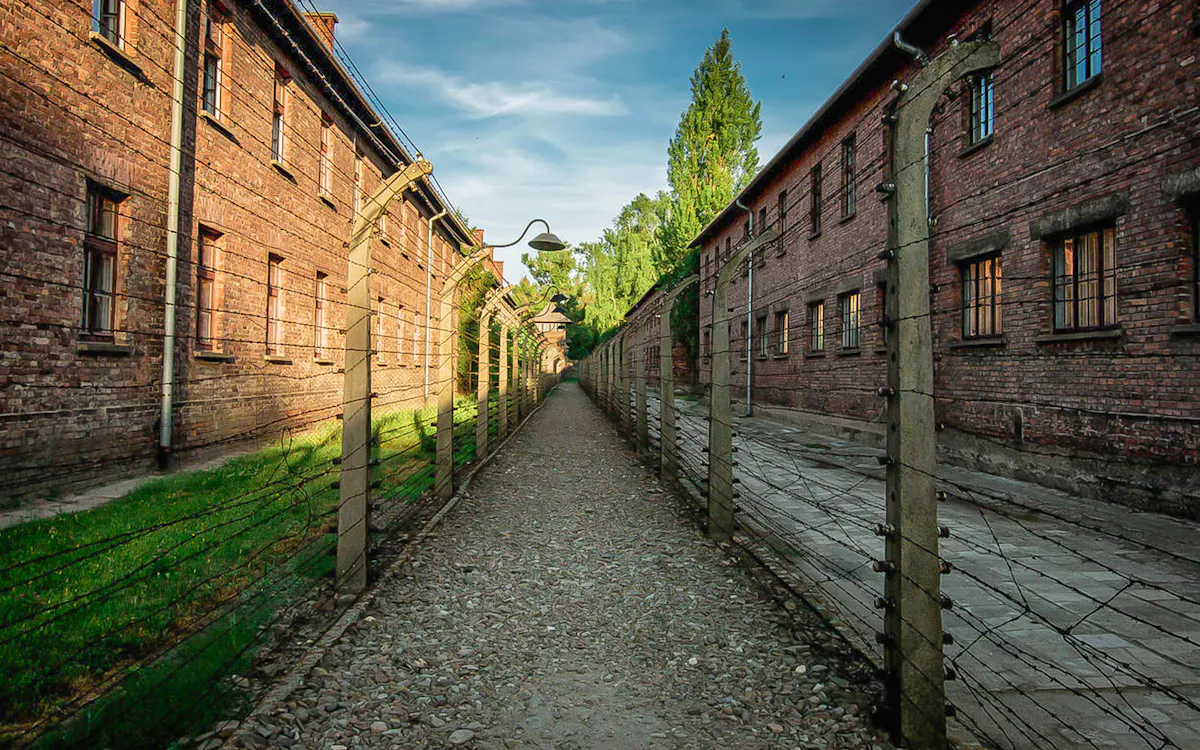
Original brick buildings used to house prisoners in the main camp
auschwitz_barrack_interior
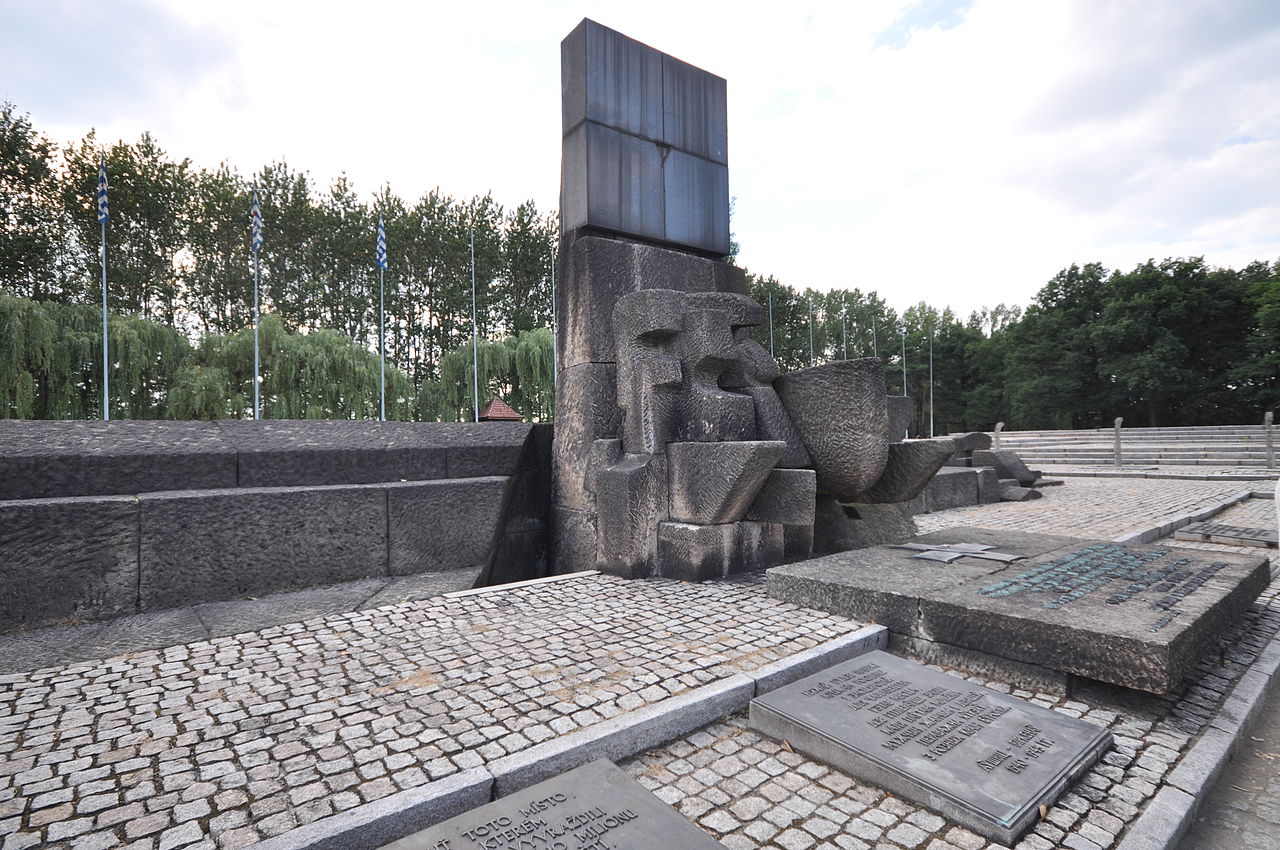
A large memorial dedicated to the victims of the camp located at Birkenau
auschwitz_birkenau_monument
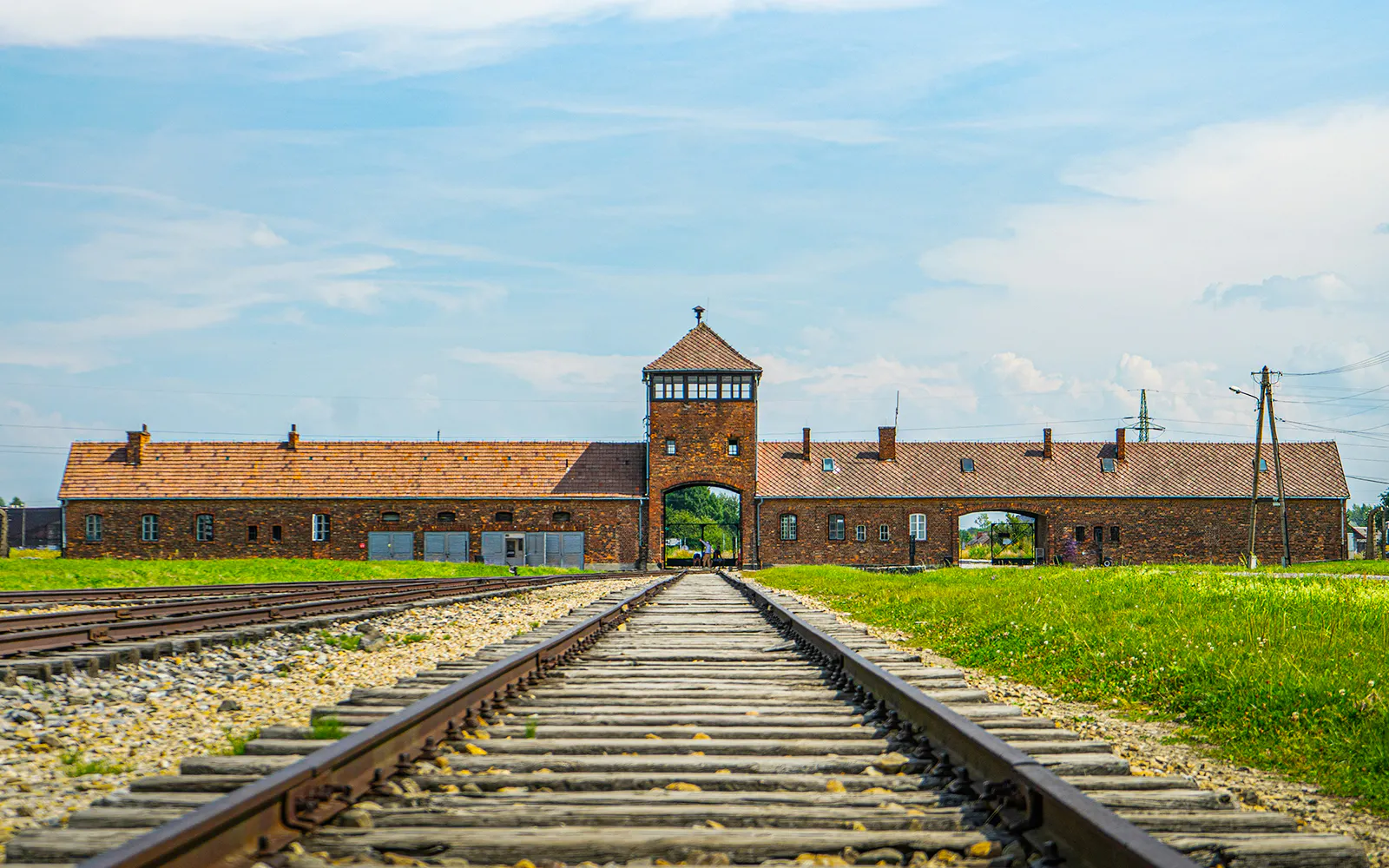
The area where selections of prisoners took place upon arrival
auschwitz_train_tracks
You board a coach in central Kraków before 08:00, joining a group that will spend the next eleven hours moving between two of southern Poland's most visited sites. The westbound highway cuts through rolling farmland; within seventy minutes the vehicle pulls into the memorial's visitor center parking area in Oświęcim.
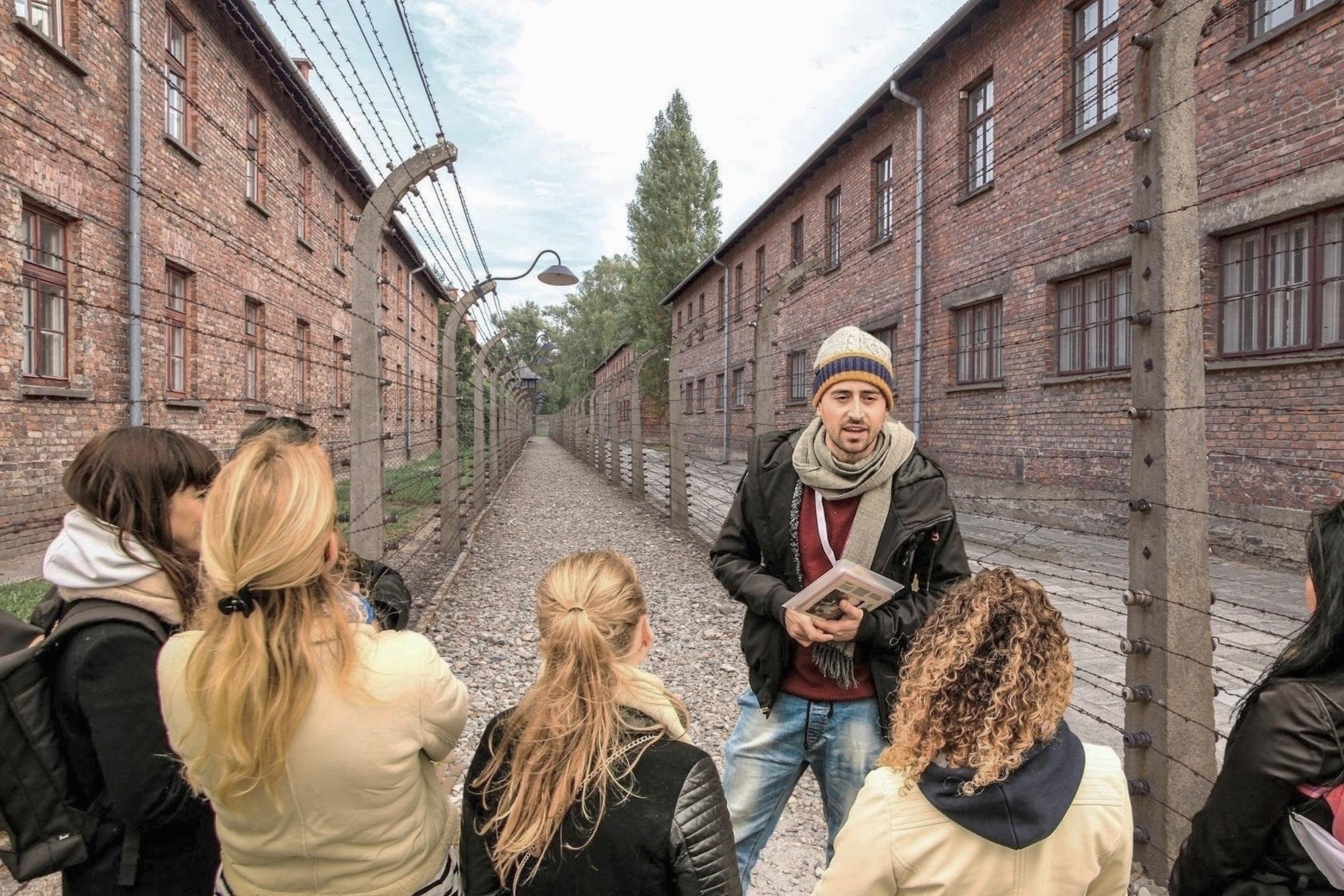
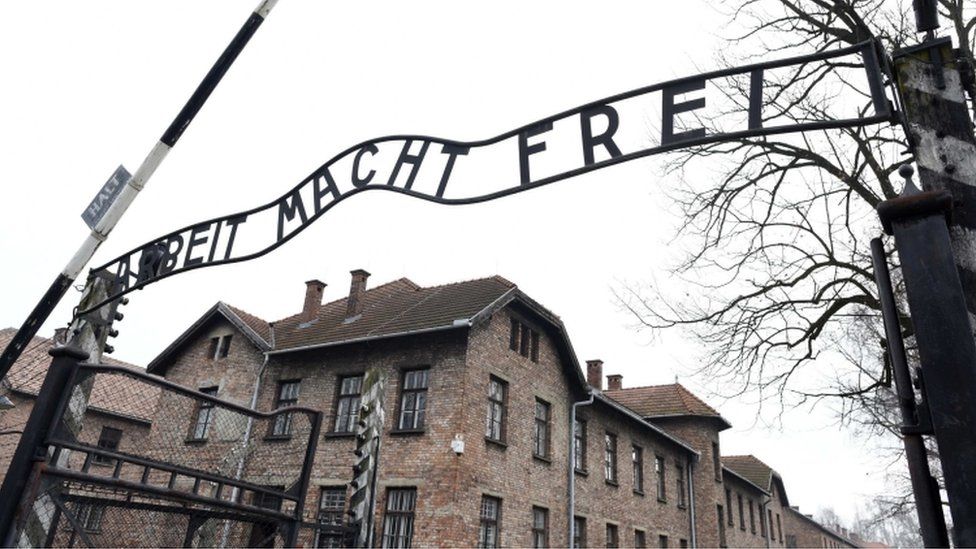
Your licensed educator distributes audio receivers — mandatory for groups larger than ten — and leads you through security screening into Auschwitz I. You pass beneath the iron gate bearing the inscription "Arbeit Macht Frei" and enter Block 4, where four tons of human hair are displayed behind glass. The route continues through Blocks 5, 6, 7, and 11, each converted into an exhibition chronicling deportation, daily life, medical experiments, and execution. After ninety minutes you reboard the coach for the three-kilometer transfer to Birkenau. The scale shifts: 175 hectares of barracks ruins, the unloading ramp, the remnants of four crematoria. You walk the rail spur to its terminus, photograph the Gate of Death from the interior side, and stand at the international monument before returning to the coach.
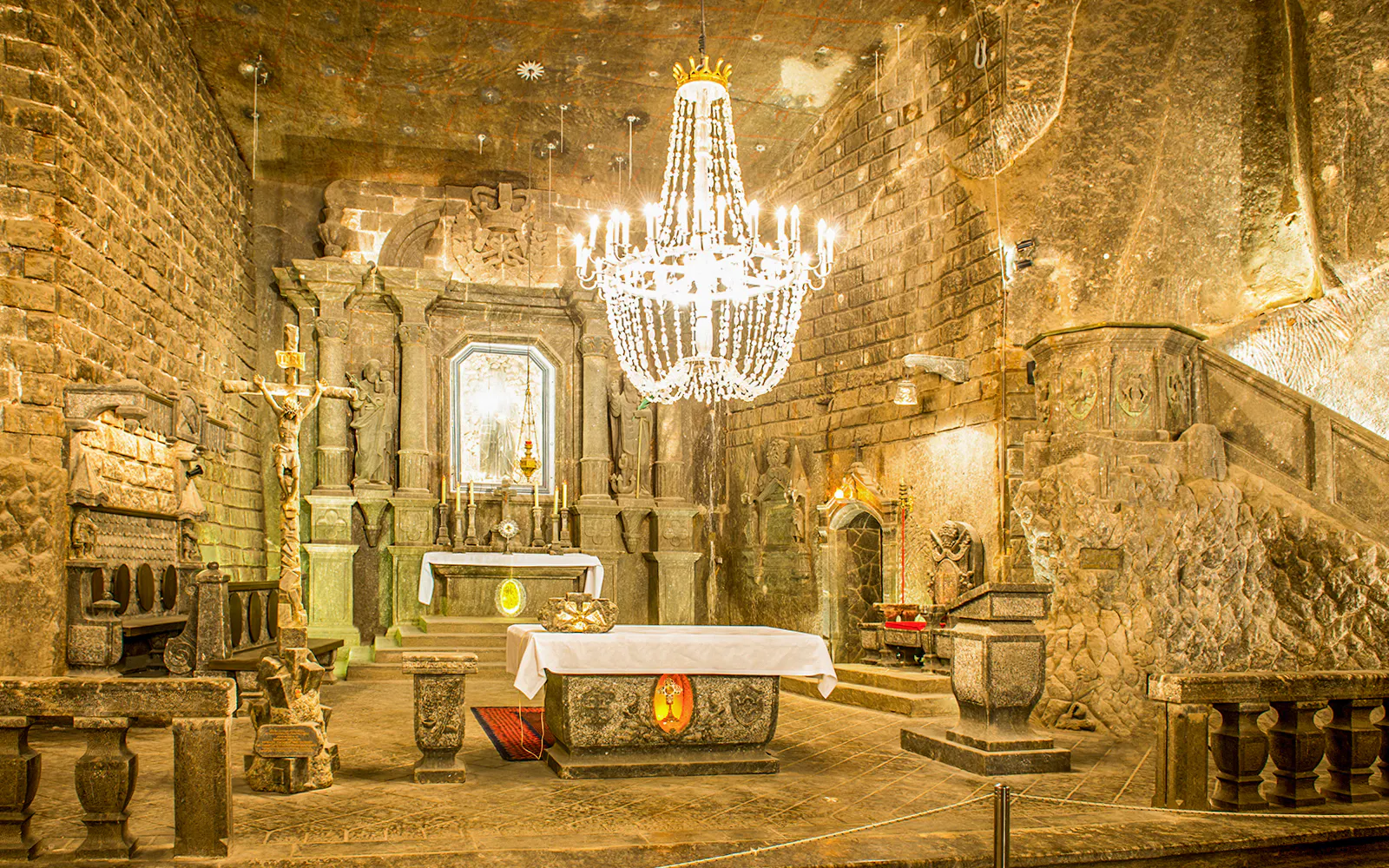
Lunch in Oświęcim or en route to Wieliczka lasts thirty to forty minutes. The descent into the salt mine begins mid-afternoon: 380 steps down a narrow timber staircase, then a three-kilometer underground trail through St. Kinga's Chapel, the Michałowice Chamber, and a subterranean lake. The air tastes faintly saline. You surface by elevator and arrive back in Kraków as daylight fades, two UNESCO sites compressed into a single, exhausting circuit.
All the details about your upcoming adventure in one place
The German Nazi concentration and extermination camp Auschwitz-Birkenau received 1.3 million deportees between 1940 and 1945, and more than 1.1 million were murdered within its fences.
Today the State Museum preserves 155 buildings and 300 ruins across the Auschwitz I base camp and the sprawling Birkenau extermination complex three kilometers west. The site joined the UNESCO World Heritage List in 1979 under the official name "Auschwitz Birkenau. German Nazi Concentration and Extermination Camp (1940–1945)," the only monument inscribed primarily to remember human atrocity rather than celebrate achievement.
Auschwitz tour from Krakow and salt mines itineraries pair the memorial with the Wieliczka Salt Mine, a 13th-century subterranean labyrinth of galleries, chapels, and saline lakes 135 meters below the surface. The combination reflects Poland's duality: a nation whose underground corridors produced wealth for seven centuries and whose 20th-century barracks bore witness to industrialized genocide. Visitors moving between the two sites within a single day traverse 800 years of Polish and European history, from medieval craft to wartime catastrophe. Wieliczka's Chapel of St. Kinga, carved entirely from rock salt in the 19th century, stands in sharp tonal contrast to the brick barracks and watchtowers of Birkenau, yet both are UNESCO-protected testaments to human labor and memory.
The memorial site operates under strict conservation protocols. Entry to Auschwitz-Birkenau is free, but advance booking of a timed entry slot is mandatory; visitors arriving without a reservation are turned away. Between April and October, individual entry without a guide is permitted only before 10:00 or after 15:00; at all other hours a licensed educator must accompany each group. The rule exists to ensure historical accuracy and prevent distortion. Guides lead groups along prescribed routes through Auschwitz I's former prisoner blocks — now exhibitions displaying victims' belongings, photographs, and documentation — and across Birkenau's rail spur to the ruins of crematoria II and III, dismantled by the SS in January 1945. The Wieliczka mine requires an equally structured descent: 380 wooden steps down to the first level, then a three-kilometer walking route past underground chambers, salt sculptures, and brine pools, concluding with a miners' lift to the surface. Full-day auschwitz tour from krakow and salt mines tours handle logistics, transfers, and timed reservations, compressing two intensive site visits into ten to eleven hours with licensed interpretation at both locations.
The only monument inscribed primarily to remember human atrocity rather than celebrate achievement.
Visitors are expected to dress modestly and respectfully given the nature of the Auschwitz-Birkenau site. Comfortable walking shoes are advised for your auschwitz tour from krakow and salt mines as the grounds are extensive.
Only small bags no larger than 30x20x10 cm are permitted inside. Security checks are mandatory for everyone taking an auschwitz tour from krakow and salt mines.
Photography is generally permitted in most areas for personal use without a flash. Certain rooms within the exhibitions of this Krakow landmark tour prohibit photography to protect artifacts.
The site is not recommended for children under 14 years of age due to the graphic historical content. Parents should carefully consider if an auschwitz tour from krakow and salt mines is appropriate for younger visitors.
The site is partially accessible, though the historic nature of the buildings and gravel paths presents challenges. Assistance may be required during an auschwitz tour from krakow and salt mines for those with mobility aids.
Eating and drinking are strictly prohibited inside the museum grounds. Visitors should plan to consume meals before or after their auschwitz tour from krakow and salt mines.
Opening Hours
07:30–19:00
Address
Więźniów Oświęcimia 55, 32-600 Oświęcim, Poland
Entry Fee
0 PLN (Free entry; online booking of a time slot is mandatory.)
Best Arrival
07:30–10:00
Storage
Limited lockers available at the entrance
Info
Official site: https://www.auschwitz.org
Public transport · 2h · 15-30 PLN
Regional trains run from Krakow Główny to Oświęcim station followed by a local bus.
Car · 1.5h · Variable
Follow signs for A4 motorway toward Katowice/Oświęcim parking areas.
Since entrance is 0 PLN, there is no refund for the entry itself. Third-party providers for your auschwitz tour from krakow and salt mines tour have specific cancellation terms, typically requiring 24-48 hours notice for full reimbursement of service fees.
Recommended time
10-12 hours for the full day trip
Executing an auschwitz tour from krakow and salt mines requires careful synchronization, as travel between the memorial site in Oświęcim and the Wieliczka salt chambers spans significant distance. We recommend departing early to secure your entrance, as the best arrival window is 07:30–10:00. This intensive schedule accounts for the mandatory security checks and substantial walking required throughout both UNESCO heritage landmarks. Securing your auschwitz tour from krakow and salt mines tickets ahead of time is essential to manage the logistical flow of this multi-site itinerary.
Crowd levels through the day
Weather · crowds · average price — dots go green to amber to red as each metric rises.
Mild temperatures and thinner crowds make this a top time for an auschwitz tour from krakow and salt mines.
Expect high temperatures and peak attendance levels for these historical landmarks.
Cooler weather in September and October provides a more somber, quiet atmosphere for your visit.
Very cold conditions prevail, and outdoor sections of an auschwitz tour from krakow and salt mines can be physically demanding.
Secure your auschwitz tour from krakow and salt mines tickets online weeks in advance as slots fill quickly.
Carry a small bottle of water as facilities are limited once inside.
Keep conversations quiet as this is a site of memory.
Hiring an authorized educator provides the most comprehensive context for your auschwitz tour from krakow and salt mines.
The site is mostly outdoors, so carry an extra layer in autumn.
Main Market Square
Common pickup for auschwitz tour from krakow and salt mines tours
Get directionsThe site that would become Auschwitz began as a Polish army barracks complex in the suburbs of Oświęcim, a modest industrial town forty miles west of Kraków. In May 1940, the SS converted the barracks into a detention center for Polish political prisoners. Rudolf Höss was appointed commandant. The first transport arrived on 14 June 1940: 728 Poles from Tarnów. By March 1941, Heinrich Himmler ordered the camp expanded. A second zone, Birkenau, was established in October 1941 on farmland two kilometers west of the original site. Birkenau's purpose shifted in early 1942 when the Nazi leadership formalized the plan to murder Europe's Jewish population. Four gas chamber and crematorium complexes were constructed between March 1942 and June 1943. The largest, Krematorium II and III, could hold 2,000 people in their underground chambers. Transports from across occupied Europe arrived at a dedicated rail spur built into Birkenau in May 1944. SS physicians conducted selections on the ramp, sending those deemed unfit directly to the gas chambers. Between May and July 1944 alone, over 430,000 Hungarian Jews were deported to Auschwitz; most were murdered within hours of arrival. In total, at least 1.1 million people were killed at the Auschwitz complex, approximately ninety percent of them Jewish. Smaller groups included Soviet prisoners of war, Poles, Roma, and others. As Soviet forces advanced in January 1945, the SS evacuated approximately 60,000 prisoners westward in forced marches. On 27 January 1945, the Soviet 60th Army liberated the camp, finding fewer than 7,000 survivors. The Polish government established a museum on the site in 1947. In 1979, UNESCO designated Auschwitz-Birkenau a World Heritage Site. Today, the preserved barracks, crematoria ruins, and personal effects of victims serve as primary evidence of the Holocaust. An Auschwitz tour from Krakow and salt mines remains one of the most visited memorial sites in Europe, receiving over two million visitors annually.
SS converts Polish army barracks in Oświęcim into a detention center for political prisoners, with the first transport arriving in June.
Birkenau zone is established and four gas chamber complexes are constructed as the camp's role shifts to mass extermination.
A rail spur is built directly into Birkenau; over 430,000 Hungarian Jews are deported and murdered between May and July.
Soviet forces liberate the camp on 27 January, finding fewer than 7,000 survivors after the SS evacuated tens of thousands westward.
Polish government opens a museum at the site to preserve evidence and educate the public about Nazi crimes.
UNESCO grants World Heritage status to Auschwitz-Birkenau, recognizing it as a site of universal historical importance.
Stand directly in front of the main iron gate to capture the symmetrical entrance of the site. This is a focal point for those on an auschwitz tour from krakow and salt mines to document the historical threshold.
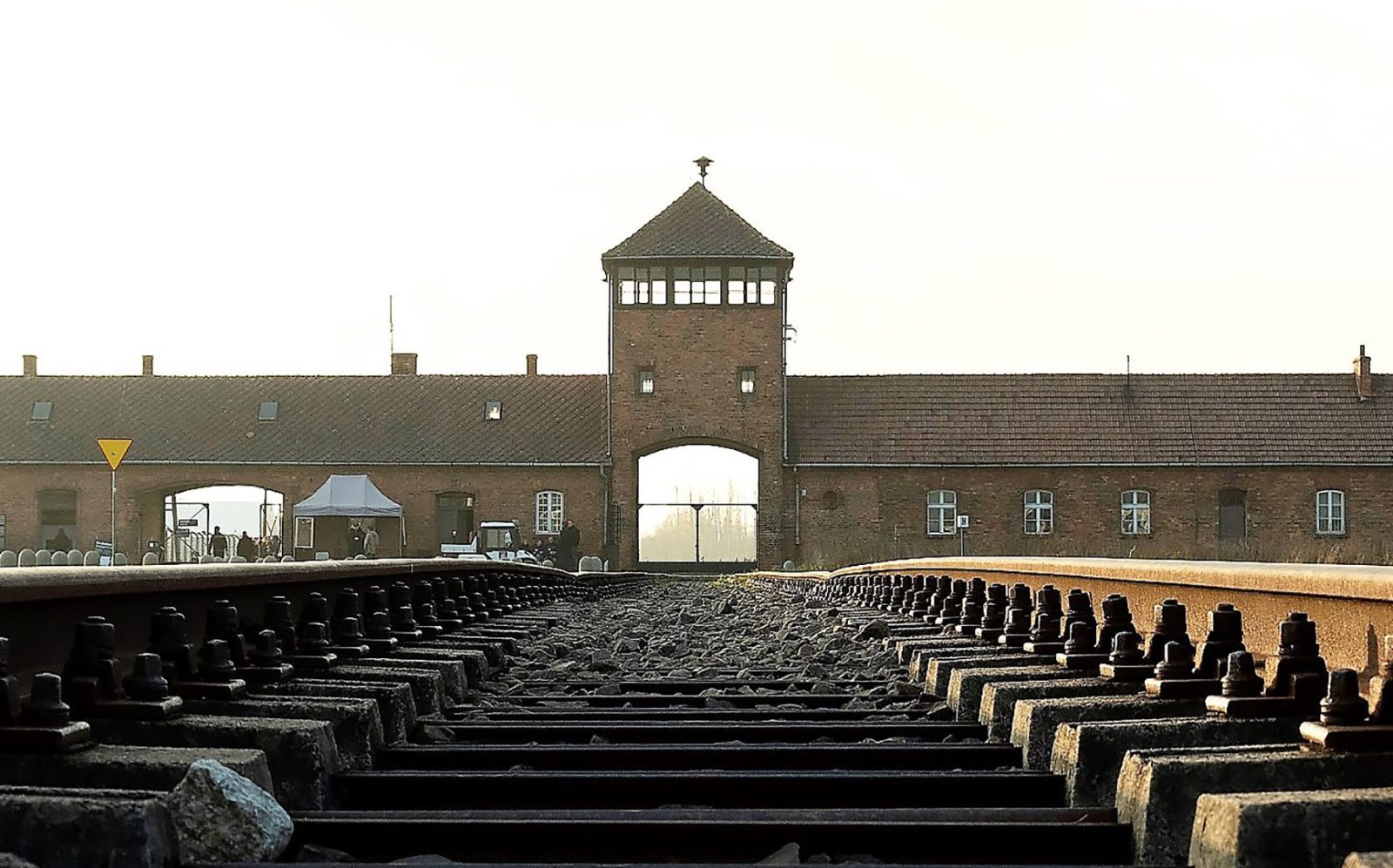
Position yourself on the main access path looking toward the guard tower at the end of the long railway tracks. This perspective provides the iconic view of the camp's vast scale and the auschwitz tour from krakow and salt mines tours path.
Stand in the wide space between the two rows of ruins facing the memorial sculpture. Use a wide-angle lens to capture the memorial along with the surrounding desolate landscape as part of your auschwitz tour from krakow and salt mines tour record.
Capture the converging train tracks leading through the camp entrance to emphasize the scale of arrival. This remains a significant location for visitors holding auschwitz tour from krakow and salt mines tickets to reflect on the history of the site.
Planning an auschwitz tour from krakow and salt mines requires careful preparation for families due to the somber nature of the site. Navigating these historic landmarks with children is manageable when you prioritize logistics and emotional readiness.
Large strollers are difficult to navigate on the gravel paths of the memorial; choose a lightweight, foldable version or a baby carrier. Be aware that you will need to leave carriages in designated areas during indoor exhibitions.
While there is no strict minimum age, the museum recommends the site for children aged 14 and older. Younger visitors may find the history challenging to process, making it essential to gauge your child's maturity before booking auschwitz tour from krakow and salt mines tours.
Baby-changing stations are limited at the memorial, so prepare accordingly for your transition between sites. Plan your bathroom breaks carefully, as facilities are situated primarily near the entrance of this UNESCO heritage site.
The best arrival window is 07:30–10:00 to avoid peak crowds and heat by arriving early in the morning. This early start helps manage energy levels for the second half of your auschwitz tour from krakow and salt mines tour.
On-site dining options are restricted, so pack sufficient snacks and water for the entire day. Having food ready ensures you avoid long queues when searching for auschwitz tour from krakow and salt mines tickets and logistics.
Finding dining options near the site requires planning, especially when coordinating an auschwitz tour from krakow and salt mines. While limited snacks are available on-site at Więźniów Oświęcimia 55, most visitors prefer a quick meal in Oświęcim after their commemorative visit.
Located near the entrance, this spot offers coffee, sandwiches, and light refreshments for those waiting for their auschwitz tour from krakow and salt mines tours. It serves as a practical choice for a brief rest during the morning hours.
This local establishment provides traditional Polish dishes and is a popular stop for those seeking a substantial meal after securing their auschwitz tour from krakow and salt mines tickets. The menu features seasonal ingredients, fitting for an autumn visit.
Situated a short distance away, this venue offers a quieter atmosphere to reflect after an auschwitz tour from krakow and salt mines tour. It is well-regarded for its warm service and hearty soups.
Everything you need to know for your journey
The site is open daily from 07:30–19:00.
Yes, online booking of a time slot is mandatory for your auschwitz tour from krakow and salt mines.
The entrance fee is 0 PLN, though reservation is required.
Most visitors require 4-6 hours to complete an auschwitz tour from krakow and salt mines.
Arrive between 07:30–10:00 to avoid peak crowds and heat during your auschwitz tour from krakow and salt mines.
Yes, bags must be no larger than 30x20x10 cm for your auschwitz tour from krakow and salt mines.
Photography is permitted in most areas, but flash and tripods are restricted at this memorial site.
The museum is partially accessible, though the terrain can be difficult for some guests.
The site is not recommended for children under 14 due to the sensitive nature of the auschwitz tour from krakow and salt mines.
The Wieliczka Salt Mine is the most common location to combine with your auschwitz tour from krakow and salt mines.
Documenting Jewish life in Oświęcim town before the war.
A medieval castle overlooking the river in Oświęcim.
Comfortable stay near the museum site.
Practical stay for those booking an auschwitz tour from krakow and salt mines.
Join thousands of happy travelers who have discovered this incredible experience
Book Your Experience Now